CONTACT US
In today’s digital age, a robust and reliable network cabling infrastructure is the backbone of any successful organization. Whether it’s a small business, a large corporation, or an educational institution, efficient connectivity is essential for seamless communication, data transfer, and overall productivity. And at the core of a solid network lies proper network cabling installation. In this blog post, we’ll explore the importance of network cabling installation and its key considerations.
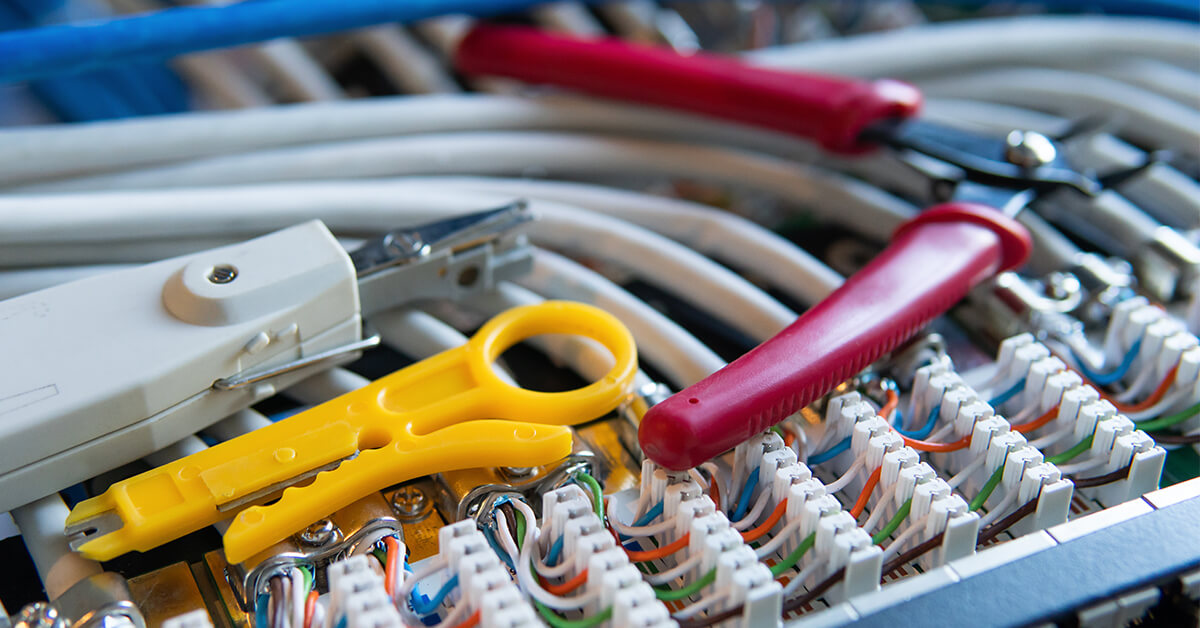
Network cabling installation refers to setting up the physical infrastructure that enables data transmission within a network. It involves carefully planning, designing, and installing cables, connectors, and related components to establish a secure and efficient network environment. Here are some reasons why professionally designed and installed network cabling is vital:
- Reliability and Performance: A well-planned and properly installed network cabling system ensures reliable and high-performance connectivity. It minimizes the risk of signal interference, data loss, and transmission errors, resulting in faster and more stable network connections. This is especially crucial for organizations that rely on data-intensive applications, video conferencing, and real-time collaboration.
- Scalability: A structured cabling system allows for more effortless scalability and future expansion. With proper planning, additional network devices and endpoints can be seamlessly integrated without disrupting the existing infrastructure. This flexibility is vital for businesses that experience growth or need to adapt to changing technological demands.
- Simplified Troubleshooting and Maintenance: An organized and well-labeled cabling system simplifies troubleshooting and maintenance. Clear documentation and labeling of cables and connections make it easier for network administrators to identify and resolve issues quickly, minimizing downtime and optimizing network performance.
- Future-Proofing: A professionally installed network cabling system considers current industry standards and best practices. By adhering to these standards, such as using Category 6 or higher cables, organizations can future-proof their infrastructure to support emerging technologies and higher bandwidth requirements.
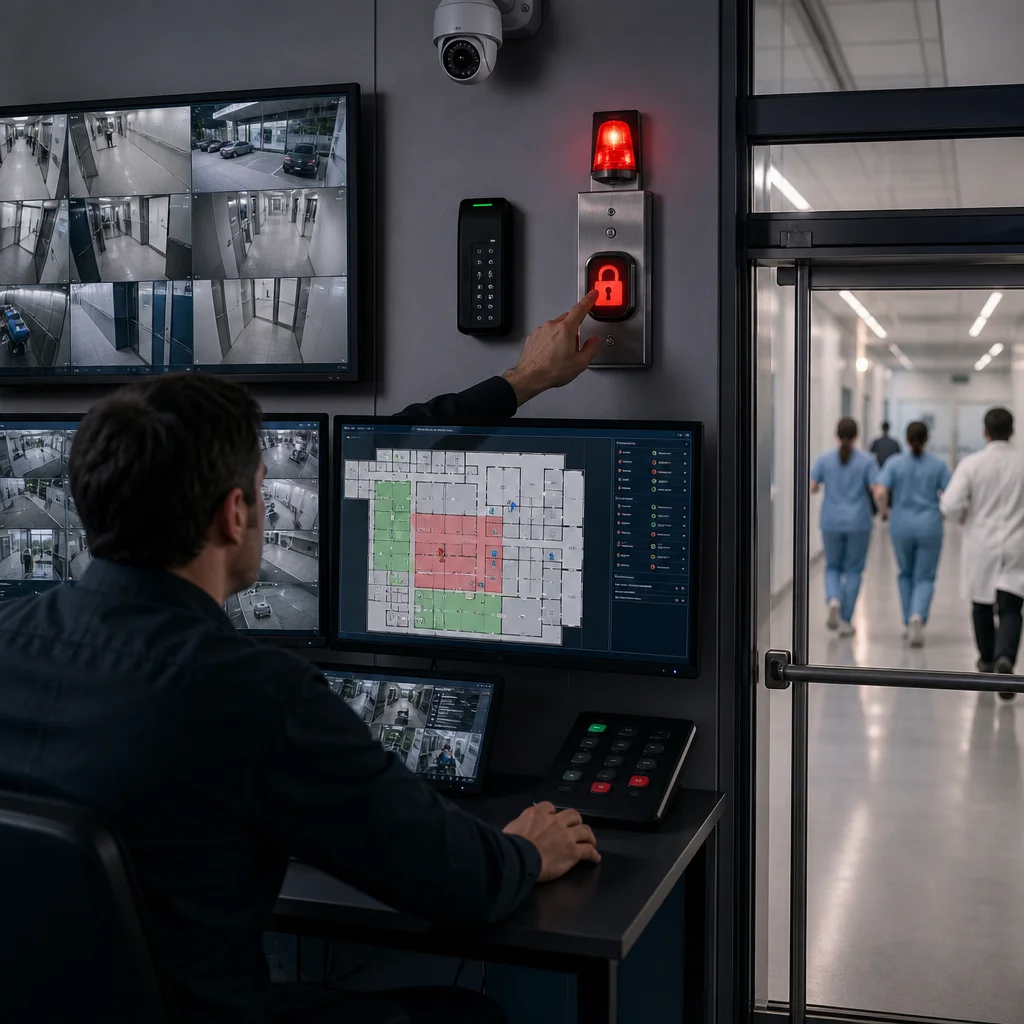
- Enhanced Security: Network cabling installation is vital in maintaining network security. Proper cable management ensures that sensitive data remains protected, minimizing the risk of unauthorized access or data breaches. Additionally, a well-designed cabling system can incorporate security measures such as physical access control and surveillance.
When considering network cabling installation, it’s essential to keep a few key factors in mind:
- Professional Expertise: Engaging experienced network cabling professionals or certified installers is crucial. They have the skills and expertise to design and implement a cabling system that meets industry standards, regulations, and specific organizational needs.
- Planning and Design: Thorough planning and design are essential for a successful installation. Factors like cable types, network topology, cable pathways, and equipment locations should be carefully considered to optimize performance and ensure future scalability.
- Cable Management: Proper cable management includes organizing and labeling cables, utilizing cable trays, racks, and conduits, and implementing cable management solutions for neat and efficient cable routing. This simplifies troubleshooting, maintenance, and future upgrades.
- Testing and Certification: After installation, rigorous testing and certification should be conducted to ensure that the cabling system meets industry standards and performs optimally. This includes tests for cable continuity, signal integrity, and network performance.
Network cabling installation forms the foundation of a reliable and efficient network infrastructure, an investment that pays off in improved connectivity, scalability, and productivity. By entrusting the installation to professionals and considering the critical factors mentioned, organizations can build a solid network infrastructure that meets their current and future connectivity needs.
Call TeraPixels Systems at (855)-203-6339 for a complimentary structured network cabling consultation.