CONTACT US
Over 40% of organizations reported at least one physical security breach in 2024, often due to preventable gaps in their entry protocols. For a modern enterprise, a commercial access control system installation isn’t just a facility upgrade; it’s a foundational component of your business’s stability. You likely recognize the stress of trying to integrate sophisticated hardware with existing networks without causing operational delays. The fear of liability from unauthorized access is a heavy burden for any decision maker. We believe that security should provide peace of mind, not technical headaches.
This guide offers a professional framework for planning, technology selection, and enterprise-grade deployment. You’ll learn how to navigate the shift toward cloud-based models and multi-modal biometrics while maintaining strict compliance with standards like FIPS 201-3. We’ll walk through the strategic steps to ensure your new system integrates seamlessly with your infrastructure, protecting your assets and your team without the risk of costly downtime. By the end of this article, you’ll have a clear roadmap to a more secure and efficient facility.
Key Takeaways
- Conduct a comprehensive site audit to identify high-traffic zones and sensitive areas, ensuring a tailored security strategy for your unique facility layout.
- Navigate the technical complexities of a commercial access control system installation by selecting the right balance of cloud-based accessibility and hardware reliability.
- Evaluate modern credential types, including mobile and biometric scanners, to streamline employee access while significantly reducing the risk of unauthorized entry.
- Understand the critical role of structured cabling and network integration in building a stable foundation for long-term system performance and scalability.
- Implement post-installation strategies like remote monitoring and cybersecurity protocols to protect your physical infrastructure from evolving digital vulnerabilities.
Strategic Planning for Commercial Access Control Installation
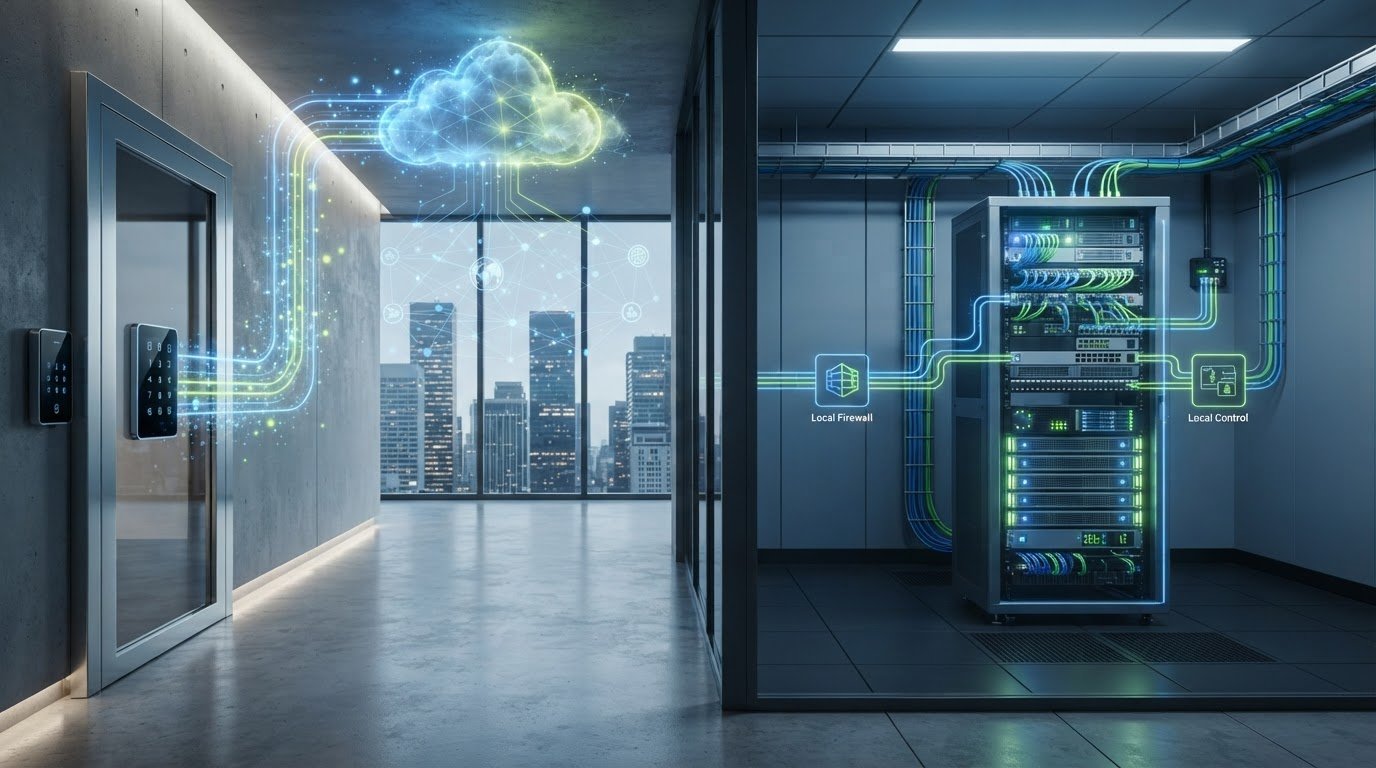
Successful security begins long before the first reader is mounted to a wall. A professional commercial access control system installation is an intricate orchestration of hardware, software, and network infrastructure. It’s best to view access control systems as a unified ecosystem rather than a collection of isolated locks. This architecture ensures that every entry point communicates in real-time with a central management platform, allowing for instant credential updates and comprehensive audit trails.
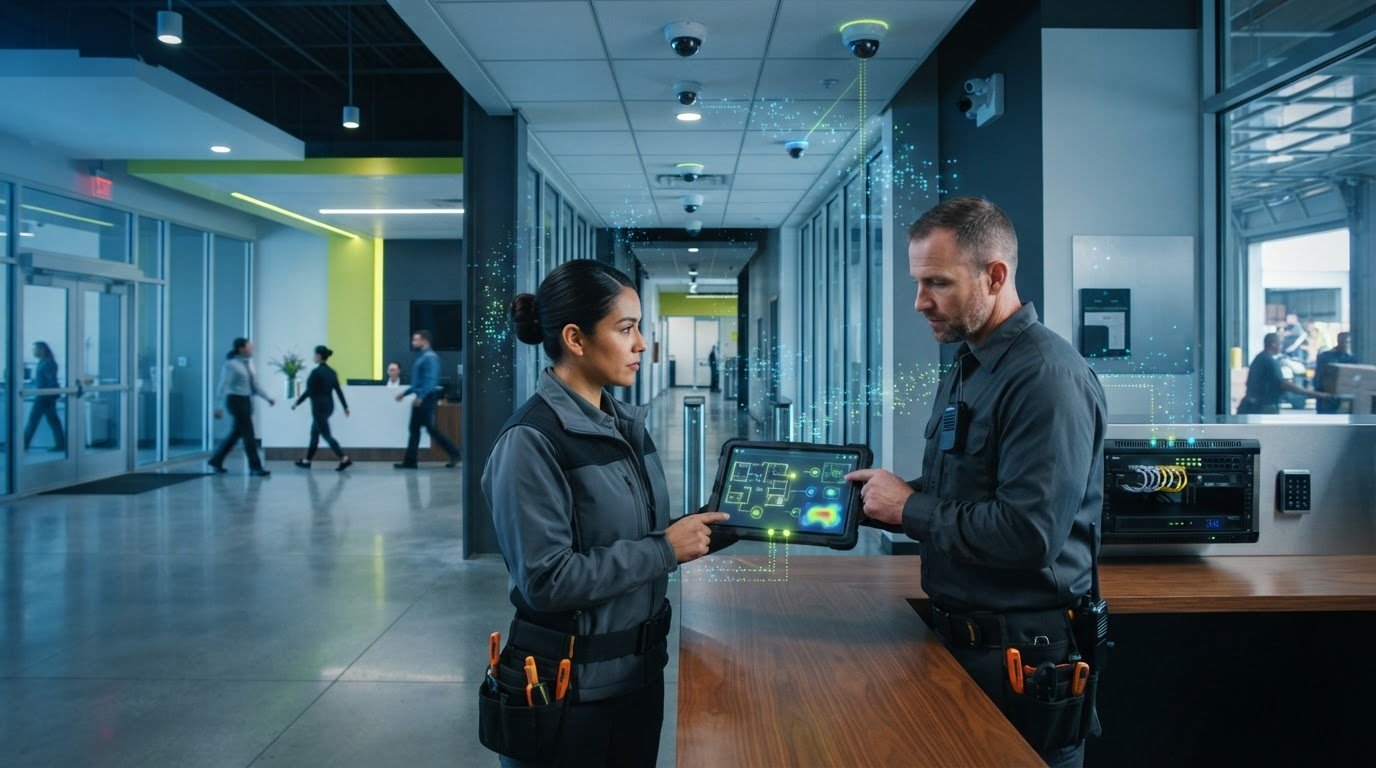
Your planning phase must include a detailed site audit to map out high-traffic zones, such as main entrances, and sensitive areas like data centers or executive suites. During this process, we determine the appropriate security level for each point. While a standard keycard might suffice for a breakroom, a server room—or specialized training environments like those at 2FLY Airborne—often require the precision of biometric scanners. Building this hierarchy early prevents the need for expensive retrofitting later and creates a scalable foundation that can grow alongside your business.
To better understand the physical requirements of a multi-door setup, watch this helpful video:
The Role of Structured Cabling in Access Control
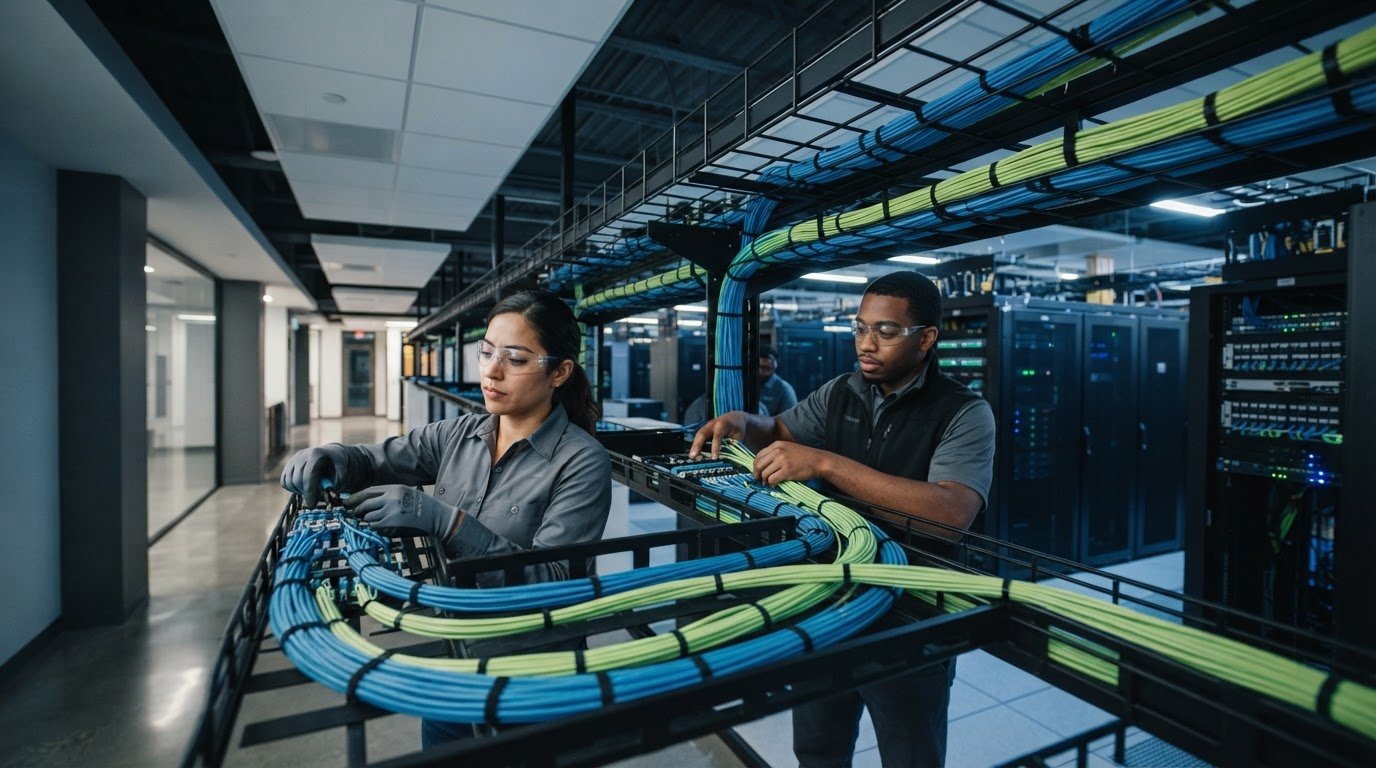
Reliability in security depends entirely on the physical path data takes to reach the server. High-quality CAT6 cabling installation for commercial buildings serves as the essential backbone for modern systems. By utilizing Power over Ethernet (PoE), we can deliver both power and data through a single cable. This approach simplifies hardware deployment, reduces the need for localized power outlets at every door, and ensures your system remains stable even under heavy network loads.
Regulatory Compliance and Life Safety Codes
Adhering to legal standards is a non-negotiable aspect of any installation. Every access point must comply with the Americans with Disabilities Act (ADA) to ensure hardware is accessible to everyone. Equally critical is the integration with fire safety systems. We must correctly configure doors as either fail-safe, which unlock during a power loss to allow egress, or fail-secure, which remain locked to protect high-value assets. Getting these configurations right protects your business from liability and ensures the safety of every person in the building.
Choosing the Right Access Control Technology for 2026
Selecting the appropriate technology for your facility defines its operational efficiency and security posture. Cloud-based systems have become the standard for businesses seeking lower management overhead and the ability to update permissions from any location. While on-premise systems still serve environments requiring total localized control, the scalability of the cloud is often the superior choice for growth-oriented enterprises. For a successful commercial access control system installation, we recommend prioritizing hardware that utilizes the Open Supervised Device Protocol (OSDP). This protocol ensures advanced encryption between readers and controllers, effectively closing the gap between cybersecurity and physical access.
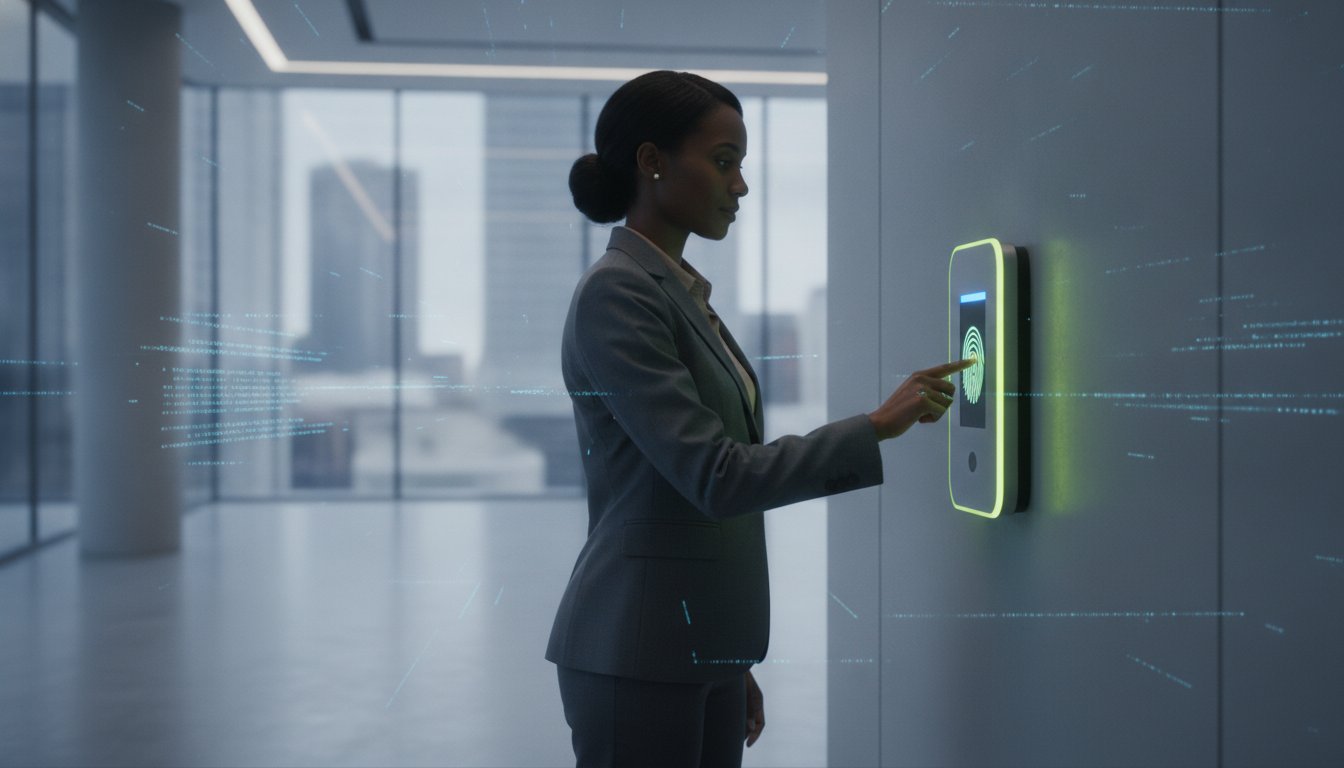
The choice of credentials involves balancing user convenience with your specific security needs. A keycard access control system for business remains a reliable and cost-effective foundation for many. However, biometric scanners and mobile credentials are quickly becoming the preferred options for high-security zones. Investing in smart commercial door systems provides a significant long-term ROI by eliminating the recurring costs and security risks associated with lost physical keys and manual rekeying. If you are evaluating which technology best fits your specific floor plan, our team can help you design a customized access control strategy that scales with your business.
Leveraging AI Analytics for Enhanced Security
Modern access systems now function as intelligent sensors rather than simple locks. By integrating data from an ai security camera system commercial deployment, you can identify tailgating incidents where an unauthorized person follows an employee through a secure door. AI analytics also detect unusual access patterns, such as repeated entry attempts at odd hours, which could signal a potential internal breach before it escalates.
Mobile Credentials and Touchless Entry
The shift toward smartphone-based access is driven by the demand for touchless entry and streamlined credential management. Mobile credentials remove the friction of physical fobs and allow administrators to issue or revoke digital keys instantly. This modernization improves the daily experience for your team while hardening your perimeter against the risks of cloned or stolen physical cards.

The Professional Installation Process: Execution and Best Practices
Phase two shifts to the network foundation. We implement low voltage structured cabling to create a reliable communication path between the doors and the central controller. This infrastructure is the lifeline of your security system. It must be installed with careful attention to cable management and signal integrity to prevent future maintenance issues or system lag. Using quality cabling ensures your readers and controllers communicate without interruption.
The final phases involve software configuration and exhaustive testing. We synchronize your user database and establish clear access hierarchies. Most importantly, we test every fail-safe and emergency override protocol. This ensures that in the event of a fire or power loss, your doors behave exactly as required by life safety codes. If you’re planning a new facility or upgrading an old one, request a professional site assessment to get started correctly.
Hardware Deployment: Ensuring Physical Integrity
Mounting readers properly is a critical part of a commercial access control system installation. We use tamper-resistant hardware to prevent prying or unauthorized removal. Door alignment is equally vital. Even a slight sag in a commercial door can prevent an electric strike from engaging, which compromises your entire perimeter security. We verify the physical integrity of every door before and after hardware is mounted.
Software Configuration and User Management
We create tiered access levels, distinguishing between property managers, employees, and contractors. This granularity minimizes internal risks by ensuring people only have access to the areas they need. We also configure real-time alerts for events like a door-forced-open (DFO) or a door-held-open (DHO). These notifications provide your security team with immediate situational awareness, allowing them to address potential breaches before they escalate.
Post-Installation: Integration, RMM, and Cybersecurity
The completion of a commercial access control system installation marks the start of a long-term security partnership. To maintain peak performance, we integrate your new hardware with remote monitoring management for business. This provides 24/7 oversight, allowing our team to identify and resolve technical issues before they impact your facility’s safety. A robust security strategy also requires a business continuity plan. We ensure your access control operations remain functional during power outages through battery backups or generator integration, keeping your perimeter secure at all times.
Regular maintenance is the key to longevity. We establish a strict schedule for physical hardware checks, ensuring that locks and readers haven’t been compromised by environmental wear or intentional tampering. This proactive approach prevents the high cost of downtime and ensures your investment continues to provide comprehensive protection year after year. By treating your security as a managed service rather than a one-time project, you gain the stability needed to focus on your core business objectives.
Securing the Security System: Cybersecurity for Access Control
Modern readers and controllers are essentially IoT devices connected to your primary network. Because of this, network security for small business principles must apply to your security hardware. Unmanaged IoT devices are often the weakest link in a commercial network, providing an easy entry point for external hacks. We apply rigorous encryption standards and segment your security traffic to isolate these devices from sensitive business data, protecting your digital assets just as much as your physical ones.
The Value of Managed Continuity
Utilizing RMM ensures that every component of your system is online, patched, and performing correctly. This managed approach means you don’t have to worry about manual firmware updates or system health checks. It shifts your security from a reactive model to a proactive one, where stability is the default state. Ensure your facility is truly protected. Contact Terapixels Systems for a professional consultation.
Securing Your Business Foundation for the Future
Building a resilient facility requires more than just high-tech locks. It demands a strategic approach that unites physical hardware, structural cabling, and advanced AI analytics into a single, managed ecosystem. By prioritizing encrypted protocols and integrating remote monitoring, you transform your security from a passive barrier into an active asset. This comprehensive framework ensures your operations remain stable while protecting your team and assets from evolving threats.
It’s essential to choose a partner who understands the intersection of physical security and digital integrity. Executing a successful commercial access control system installation requires a steady hand and a visionary approach to technology. Terapixels Systems specializes in AI-driven security analytics and an integrated RMM and cybersecurity approach, providing the expertise needed for national-scale deployments. We manage the background complexities so you don’t have to worry about the mechanics of your protection. Request a Professional Security Assessment from Terapixels Systems today. We look forward to helping you build a more secure and efficient future for your enterprise.
Frequently Asked Questions
Is cloud-based access control secure for high-security commercial facilities?
Cloud-based systems are highly secure when they utilize end-to-end encryption and modern communication protocols like OSDP. These platforms offer the advantage of automatic security patches and firmware updates, which protects your facility from the latest digital vulnerabilities. By removing the need for a localized server, you also eliminate a common physical point of failure that hackers often target.
It’s a reliable choice for enterprises that need to manage multiple locations from a central dashboard. As long as the system is integrated with robust network security practices, it provides a level of stability and protection that often exceeds traditional on-premise solutions.
How much does a commercial access control system installation cost?
The total investment for a commercial access control system installation varies based on the number of entry points and the technology you choose. Hardware costs differ significantly between standard keycard readers and advanced biometric scanners. Additionally, the complexity of your building’s infrastructure and the amount of new structured cabling required will influence the final project scope.
We focus on providing a transparent assessment that considers your long-term operational goals. While upfront costs are a factor, it’s equally important to look at the total cost of ownership, including software licensing and maintenance, to ensure the system remains a sustainable asset for your business.
Can I integrate my existing security cameras with a new access control system?
Integration with your current surveillance hardware is a standard feature of modern, unified security platforms. Linking your cameras with access logs allows you to visually verify every entry event, creating a much stronger audit trail. This synchronization helps security teams quickly investigate anomalies by matching a specific credential use with recorded video footage.
This approach maximizes the value of your existing equipment while adding a new layer of intelligence to your facility management. It’s an effective way to detect tailgating or unauthorized entry attempts without needing to monitor multiple disconnected systems. For organizations looking to extend this capability beyond the door, a cloud-based surveillance system for business can unify your camera infrastructure with access control data into a single, remotely accessible platform.
What happens to the access control system during a power outage?
Modern access systems include localized battery backups to ensure your doors remain functional during a power failure. These batteries typically provide several hours of operation, allowing your team to maintain security while the main power is restored. For facilities with longer continuity requirements, we integrate the access controllers with the building’s backup generator system.
The behavior of individual doors during an outage is determined by their fail-safe or fail-secure configuration. Fail-safe doors unlock to allow for emergency egress, while fail-secure doors remain locked to protect sensitive assets. We verify these settings during the testing phase to ensure compliance with local fire codes.
How long does the installation process typically take for a multi-story office building?
The timeline for a commercial access control system installation in a large office building usually ranges from two to four weeks. This duration depends on the total door count and the amount of structural cabling needed to connect each floor to the central network. We utilize a phased implementation strategy to ensure that high-priority areas are secured first while minimizing disruption to your staff.
A thorough site audit at the beginning of the project allows us to identify potential architectural challenges early. This preparation ensures a steady and predictable workflow, from the initial hardware mounting to the final software configuration and user database synchronization. For property owners looking to modernize their facilities holistically, pairing your access control upgrade with a plan for EV charging infrastructure for commercial properties can further enhance tenant retention and overall property value.