CONTACT US
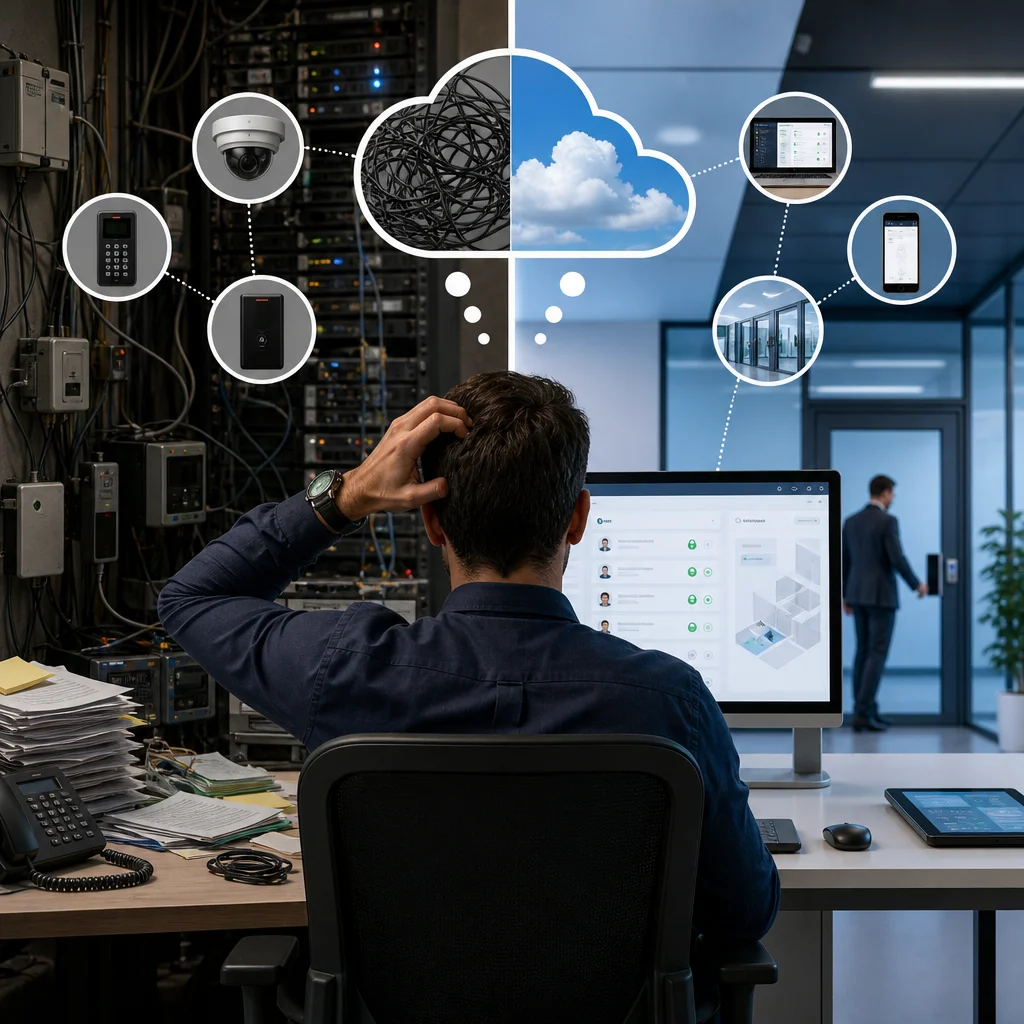
Did you know that 87% of Managed Service Providers now identify their rmm platform as the single most critical tool in their entire operational stack? This data highlights a fundamental shift in how modern businesses protect their digital and physical infrastructure. For many leaders, the constant worry of unpredictable system failures or the high costs of emergency repairs can feel like an unavoidable part of doing business. You’re likely tired of the uncertainty that comes with a lack of visibility into your network health.
This guide will help you discover how Remote Monitoring and Management (RMM) serves as the proactive backbone for your business continuity and security. We’ll show you how to transform your technology from a source of stress into a stable, predictable asset that supports your long term goals. We’ll walk through the latest 2026 trends, including AI-powered automation and the convergence of cyber security, to help you eliminate downtime and achieve the lasting peace of mind that comes from knowing your systems are protected by a well designed architecture.
Key Takeaways
- Understand how rmm software transitions your business from reactive troubleshooting to proactive infrastructure maintenance.
- Learn why the traditional break-fix model creates financial instability and how predictable monitoring helps eliminate emergency repair costs.
- Explore the dual role of monitoring and management in maintaining both high-level cyber security and daily operational uptime.
- Discover the advantage of integrating digital network health with physical security systems for a truly comprehensive protection strategy.
- Identify the specific ways automated alerts act as a silent sentinel, identifying potential failures before they impact your productivity.
Table of Contents
What is Remote Monitoring and Management (RMM)?
Remote Monitoring and Management (RMM) is a specialized category of software that allows Managed Service Providers to maintain and secure IT systems from a distance. In 2026, its scope has expanded far beyond simple desktop support. It now encompasses everything from cloud servers and mobile devices to integrated security hardware like access control systems and surveillance cameras. This technology acts as the digital nervous system for your business, providing a constant stream of data that ensures every component of your infrastructure is performing at its peak.
It’s helpful to view rmm as having two distinct but inseparable functions. The “Monitoring” aspect acts as a continuous diagnostic tool, identifying potential bottlenecks, hardware failures, or security vulnerabilities in real time. The “Management” side is where the actual resolution happens. Technicians can deploy patches, update software, or reset hardware remotely without ever needing to step foot on your property. This synergy is why RMM is the essential foundation of the modern managed services model; it replaces reactive chaos with structured, reliable oversight that protects your bottom line.
The Core Components of an RMM System
- Software Agents: These are lightweight applications installed on your devices. They report vital health data, such as CPU usage and security status, back to the central system without slowing down your operations.
- Centralized Dashboard: This is the “single pane of glass” where our experts monitor your entire infrastructure. It provides a comprehensive view of network health, allowing us to see the status of your servers and security systems in one place.
- Automation Engines: These scripts handle the repetitive tasks that keep systems healthy. They perform routine maintenance, such as installing critical security updates, often before a human even needs to intervene.
Why 2026 Demands a Proactive Approach
How RMM Works: The Silent Sentinel of Your Business
Think of rmm as a security guard that never sleeps and possesses a perfect memory. It functions by maintaining a constant pulse on your entire network, collecting data on CPU utilization, memory availability, and security status every second of the day. This continuous stream of information allows businesses to improve operational efficiency by removing the guesswork from infrastructure maintenance. Instead of waiting for a system to crash, we use this data to identify trends that signal a looming failure.
Automated patch management is another core pillar of this framework. Rather than relying on manual update cycles that can be easily forgotten, the system pushes out critical firmware and software updates as soon as they are verified. This ensures every device on your network is shielded against the latest vulnerabilities without requiring a technician to visit each individual workstation. It eliminates the window of opportunity for cyber threats and keeps your hardware running on the most stable versions of its software.
The Role of the RMM Agent
The engine behind this visibility is the RMM agent. These are small, low-impact applications that reside quietly on your servers, desktops, and integrated hardware. They communicate securely with a central management server, providing real-time reports on hardware health. If a hard drive begins to show signs of failure or a processor starts overheating, the agent flags the issue immediately. The RMM agent serves as the essential bridge between local hardware and expert oversight.
Proactive Alerts and Resolution
We use threshold alerts to act as digital tripwires for your business. There is a vital difference between a simple notification and an actionable alert. While a notification might tell us a backup finished successfully, an actionable alert tells us a critical security system has gone offline or a server is reaching its capacity. These alerts are often the first step in a rapid response process.
Many of these alerts trigger self-healing scripts. If a specific service fails, the platform can automatically attempt a restart to restore functionality in seconds. If the issue persists, the system follows a clear escalation path, bringing in a human technician to handle the complexity. This tiered response ensures that experts only spend time on problems that truly require their specialized knowledge, while routine glitches are handled instantly by the automation engine.
One of the most significant benefits of this architecture is remote background access. Our team can often resolve complex configuration issues or security patches without ever interrupting your employees. Your team stays productive while the background systems are optimized. This level of integrated remote monitoring management ensures your facility remains secure and functional around the clock, providing a level of stability that traditional, on-call IT support simply cannot match.
RMM vs. Break-Fix: Why Reactive Maintenance is a Business Risk
The traditional break-fix model is a gamble that most modern businesses can no longer afford to take. It relies on a reactive cycle where you wait for a critical failure to occur before seeking professional help. This approach inevitably leads to lost productivity and the high costs of emergency service rates. It also places you and your technology provider on opposite sides of the table. In a break-fix arrangement, your provider only generates revenue when your systems are failing, which is the exact opposite of what your business needs to thrive.
Transitioning to rmm fundamentally changes this dynamic. Your technology partner becomes a genuine stakeholder in your daily success. Because this service is built on a proactive framework, the provider’s primary goal is to ensure your network and security systems never fail in the first place. Every hour of uptime is a win for both parties. This alignment of incentives creates a transparent, partnership-driven relationship where the focus remains on long-term stability rather than quick, expensive fixes. It reduces the window of vulnerability for cyberattacks by ensuring that security gaps are closed before they can be exploited.
The Hidden Costs of Downtime
Downtime carries costs that go far beyond a simple repair bill. When a commercial facility loses its network, the immediate loss of revenue is often just the beginning of the problem. Property managers face significant liability concerns if physical security components, like CCTV or access control systems, fail during a critical incident. There is also the “Trust Tax” to consider. Frequent technical glitches damage your reputation with tenants and clients, signaling a lack of professional oversight and potentially driving away future business opportunities.
Managed Stability for Commercial Properties
Managed stability allows for a complete shift in how you handle your technology budget. You move away from unpredictable “spike” expenses and toward a flat, predictable monthly fee. This financial clarity makes it easier to plan for future growth without fearing a sudden hardware collapse. Proactive care also extends the operational lifespan of your physical assets. By monitoring the performance and environment of your structured cabling and server hardware, we prevent the premature wear that leads to total system replacement. For business owners in San Diego and Orange County, this approach provides the peace of mind that their infrastructure is being handled by a reliable architect focused on comprehensive protection.
Key Benefits of RMM for Commercial Infrastructure
Implementing a robust rmm strategy provides commercial property managers with more than just technical stability; it offers a scalable framework for business growth. While previous sections detailed how these systems prevent failure, the true value lies in the operational freedom they create. By automating the most labor-intensive aspects of infrastructure maintenance, your internal team is no longer bogged down by routine troubleshooting. This shift allows your staff to focus on high-level objectives and client relations while the background systems remain under the watchful eye of a reliable architect.
Scalability is a critical advantage for growing firms in Southern California. As you add new office locations or expand your device network, the monitoring platform grows with you. Adding a new suite of AI security camera system commercial solutions or a decentralized office hub doesn’t require a total overhaul of your support structure. Instead, new endpoints are integrated into the existing dashboard, ensuring that your standards for security and performance remain consistent across your entire portfolio. This methodical approach to expansion ensures that growth never comes at the expense of reliability.
Security and Cyber Compliance
Modern insurance providers increasingly require proof of proactive maintenance to qualify for comprehensive cybersecurity coverage. An integrated rmm platform provides the necessary audit logs and patch history to meet these rigorous standards. Through automated vulnerability scanning, the system identifies potential entry points for malware or unauthorized access across every connected endpoint. This continuous oversight ensures that your network security for small business is always current and fully compliant with industry-specific regulations. It transforms security from a periodic checklist into a permanent, automated state of protection.
Efficiency and Strategic Growth
Data-driven decision-making is the hallmark of an efficient commercial operation. Detailed reporting from your management platform allows you to move away from guesswork when it comes to hardware lifecycles. You’ll know exactly which components are reaching their performance limits, allowing for planned upgrades rather than emergency replacements. This level of inventory management ensures you have a complete accounting of every piece of hardware you own, from servers to access control panels.
For businesses planning office build-outs or expansions in Orange County, this data is invaluable. It provides a blueprint of your current capabilities and highlights exactly what is needed to support more users or complex AI analytics. If you’re ready to move beyond reactive repairs and embrace a more strategic approach to your facility’s technology, you can learn more about our remote monitoring management solutions. Having a seasoned consultant manage these complex background systems ensures your physical and digital assets remain a source of strength rather than a liability.
Implementing RMM with Terapixels Systems: The Integrated Advantage
Most technology providers view rmm through a narrow lens, focusing strictly on servers and workstations. Terapixels Systems takes a broader approach. We recognize that for commercial property managers, infrastructure stability depends on both digital and physical health. By monitoring your entire ecosystem from a single dashboard, we ensure that your facility operates as a cohesive, resilient unit. This integrated perspective allows us to act as your Reliable Architect, designing and maintaining systems that support your long-term business objectives.
Customization is central to our partnership. Every facility has unique requirements, whether it’s a high-traffic retail center or a secure corporate hub. We don’t believe in one-size-fits-all solutions. Instead, we develop customized monitoring profiles that tailor alerts to your specific operational needs. This precision ensures that you aren’t overwhelmed by irrelevant data, but instead receive clear, actionable insights that help you maintain total control over your property. It’s about providing the right information at the right time to prevent minor glitches from becoming major disruptions.
Beyond IT: Monitoring Security and Power
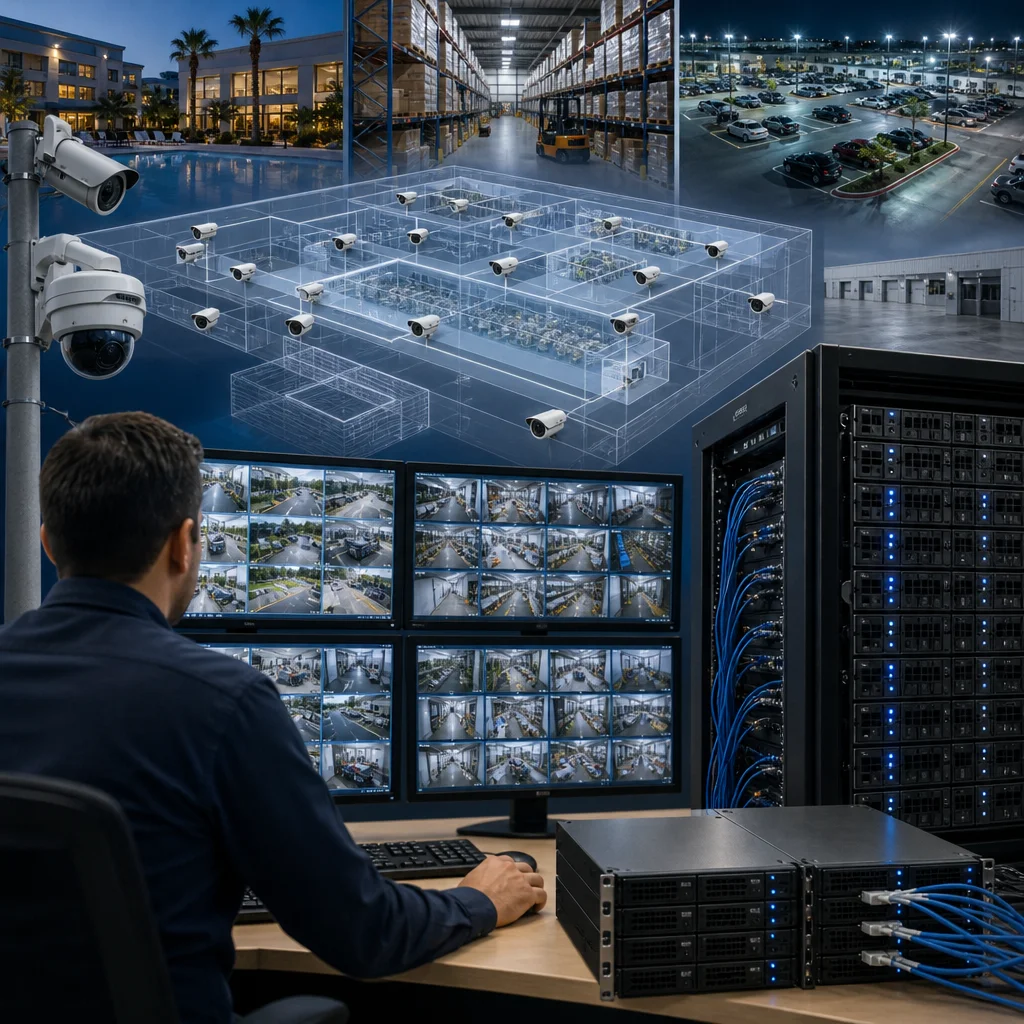
A critical gap in standard management models is the omission of physical security and power reliability. Our strategy fills this void by bringing these essential components into the proactive fold. We provide comprehensive oversight for cloud-based surveillance systems to ensure 24/7 uptime. If a camera loses connectivity or a storage drive fails, our team knows immediately, often before a security breach can occur. This ensures your physical security infrastructure is as resilient as your data network.
We also integrate backup generator maintenance into your overarching rmm strategy. In Southern California, where power stability can be impacted by seasonal weather or grid strain, knowing your backup power is ready is vital. Our systems monitor fuel levels, battery health, and exercise cycles. Pairing this oversight with a thorough commercial generator maintenance checklist ensures your standby power meets the latest 2026 regulatory standards and engages flawlessly when the grid fails. This level of integration means your facility is protected against both digital threats and physical power failures, creating a truly comprehensive safety net for your operations.
Local Support for Southern California Businesses
While the software side of monitoring happens in the cloud, the physical implementation requires a steady hand on the ground. Partnering with a local expert who understands the San Diego and Orange County business climate is a distinct advantage. We know the regional challenges, from local compliance standards to the environmental factors that affect outdoor hardware. This localized knowledge allows us to provide more relevant and effective guidance for your specific location.
Remote tools are powerful, but they can’t replace a technician when physical infrastructure needs attention. Our local presence ensures rapid response for on-site needs that software alone cannot fix. We invite you to request a consultation to see how our integrated approach can transform your facility management. Together, we’ll build a foundation of stability that allows you to focus on your core mission with complete confidence.
Build a Foundation of Technological Reliability
Transitioning from the instability of the break-fix cycle to a managed framework is a fundamental step toward long term operational success. By integrating both digital network health and physical security infrastructure into a single proactive strategy, your business gains a level of protection that manual oversight simply cannot match. You’ve seen how automated alerts and remote management help eliminate the uncertainty associated with unreliable systems and unpredictable repair costs.
Terapixels Systems stands as your seasoned consultant in this journey. We bring localized expertise to commercial properties throughout San Diego and Orange County, ensuring your complex background systems are always optimized. Our rmm solutions provide the proactive oversight necessary to maintain infrastructure security and business continuity without the stress of sudden failures. It’s time to move beyond constant troubleshooting and start focusing on your core objectives. You can Secure Your Business Continuity with Terapixels RMM Solutions today. Let’s work together to create a stable, well constructed environment that supports your growth for years to come.
Frequently Asked Questions
What does RMM stand for in business technology?
RMM stands for Remote Monitoring and Management. It’s a specialized category of software that allows technology partners to oversee and maintain your entire digital infrastructure from a distance. By using this platform, we can identify performance bottlenecks and security risks across your servers and workstations without needing to be physically present at your facility.
Is RMM only for large corporations, or can small businesses use it?
Small businesses benefit significantly from these solutions and often find them more critical than larger firms do. While major corporations have massive internal departments, smaller companies use this technology to gain the same level of architectural stability and expert oversight. It levels the playing field by ensuring your background systems are managed with the same precision and care as a much larger organization.
How does RMM improve my company’s cybersecurity posture?
This technology strengthens your rmm strategy by automating the most critical defense tasks. It handles patch management for your operating systems and third-party applications, which closes vulnerabilities before they can be exploited. Because the system monitors for anomalies around the clock, it can identify and isolate potential threats far faster than manual oversight ever could, significantly improving your overall cyber security.
Will RMM software slow down my employees’ computers or my network?
Modern agents are specifically engineered to be lightweight and unobtrusive. They operate quietly in the background and consume very few system resources, so they won’t interfere with your team’s daily productivity. In fact, by proactively resolving background glitches and managing updates during off-hours, the software often makes computers feel faster and more reliable for the end user.
Can RMM monitor physical security devices like cameras and card readers?
Yes, an integrated management strategy can encompass physical security hardware like CCTV cameras and access control systems. We monitor the connectivity and health of these devices to ensure your facility’s protection is never compromised by a silent hardware failure. This holistic approach ensures your physical safety systems are as resilient as your data network.
How much does a typical RMM service cost for a commercial property?
Pricing for these services is typically structured around the specific needs and scale of your facility. Factors like the number of managed devices and the complexity of your network will influence the total investment. Most commercial property managers prefer this model because it replaces unpredictable emergency repair bills with a stable and predictable monthly technology budget that’s easy to manage.
What is the difference between RMM and traditional antivirus software?
Antivirus is a single-purpose tool focused on blocking malicious code, while rmm is a multi-functional platform that manages your entire technological ecosystem. While it can deploy and manage antivirus software, it also handles hardware health checks, software updates, and remote troubleshooting. It’s the difference between having a lock on a single door and having a comprehensive security service for the whole building.
Do I still need an on-site IT person if I have an RMM solution?
Many of our clients find they no longer need a dedicated on-site technician for daily operations. The remote platform handles the vast majority of maintenance and troubleshooting tasks automatically. For businesses that do have internal staff, the system acts as a force multiplier that frees them from routine chores so they can focus on high-level growth and strategic planning for the company.