CONTACT US
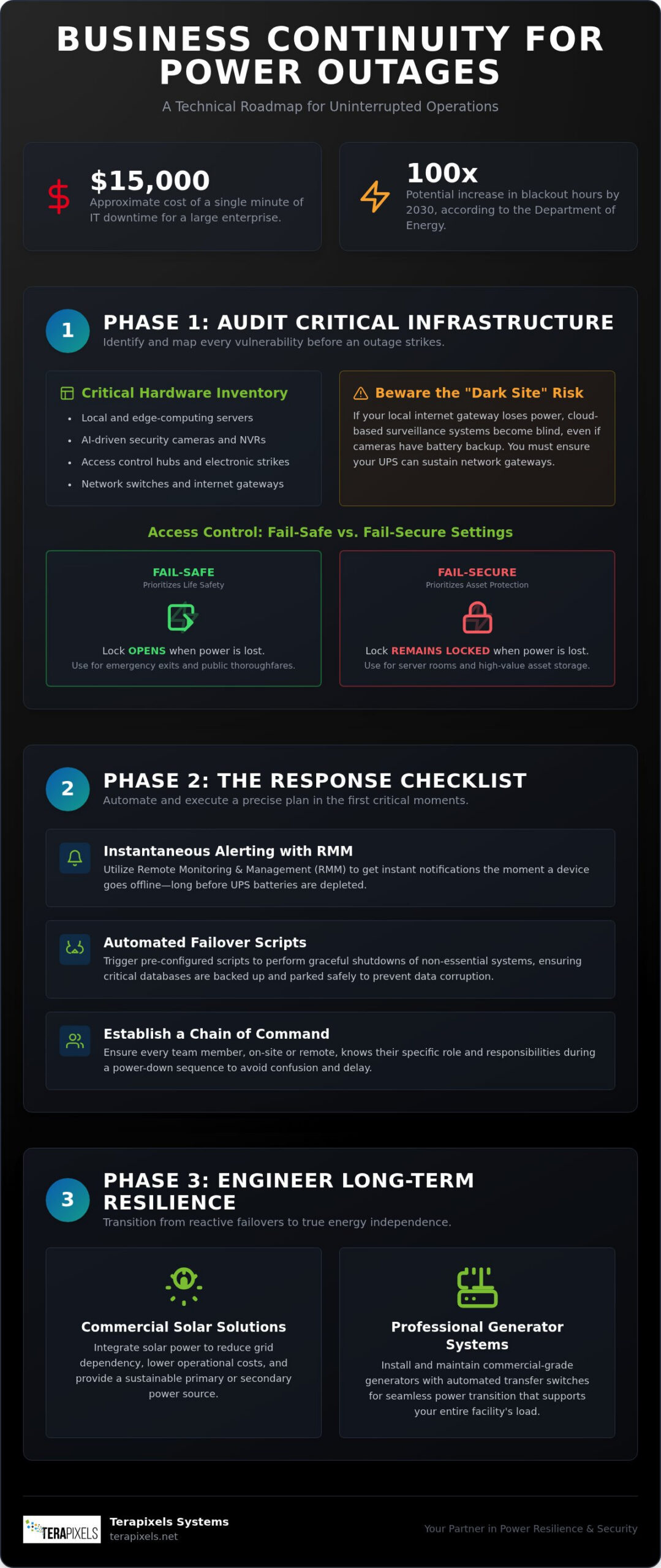
If your organization mirrors the average large enterprise in 2026, a single minute of IT downtime now costs approximately $15,000. With the Department of Energy warning that blackout hours could increase by a factor of 100 by 2030, the traditional approach to grid instability is no longer a viable strategy. Precision matters when the lights go out. You need a robust business continuity plan for power outage that bridges the gap between physical infrastructure and digital security.
We understand the technical pressure of managing complex background systems. You’ve likely worried about improper server shutdowns corrupting critical data or access control failures creating liability risks at your facility’s entry points. This article provides a comprehensive, technical roadmap for power resilience. We’ll provide a strategic checklist to audit your current failover protocols, ensure your security systems remain online, and help you design a long-term architecture for true energy independence. By the end of this guide, you’ll have the confidence that your operations will remain steady even when the local grid fails.
Key Takeaways
- Identify and inventory critical hardware vulnerabilities by auditing your structured cabling and physical assets to ensure no single point of failure exists.
- Leverage Remote Monitoring Management (RMM) for instantaneous alerting and automated failover to prevent data corruption during sudden shutdowns.
- Establish a comprehensive business continuity plan for power outage that bridges the gap between physical power backups and digital asset protection.
- Transition toward energy independence by integrating commercial solar solutions and professional generator systems with dedicated maintenance protocols.
Phase 1: Auditing Critical Infrastructure and Vulnerabilities
Resilience begins with a granular understanding of your technical environment. Without a precise hardware inventory, a business continuity plan for power outage remains a theoretical document rather than a functional tool. You must catalog every device that requires a consistent electrical load, such as high-performance imaging workstations from Dextro Imaging Solutions, to maintain basic operations. This audit shouldn’t just look at the obvious equipment; it needs to account for the integrated systems that keep your facility secure and connected.
In high-stakes environments like healthcare, where data integrity is critical, MEDITIL provides tailored IT solutions that ensure these integrated systems remain resilient during power disruptions.
For medical facilities, this audit must also include critical visualization hardware. Synergy Medical Inc. provides high-performance surgical and radiology imaging equipment and video integration technology that requires seamless power transition to maintain patient care standards.
Mapping your low voltage structured cabling allows you to pinpoint single points of failure where a localized power drop could sever communication across your entire facility. This is a foundational step in Business continuity planning, as it identifies the difference between a minor inconvenience and a total operational blackout. Focus your inventory on these critical categories:
- Local and edge-computing servers
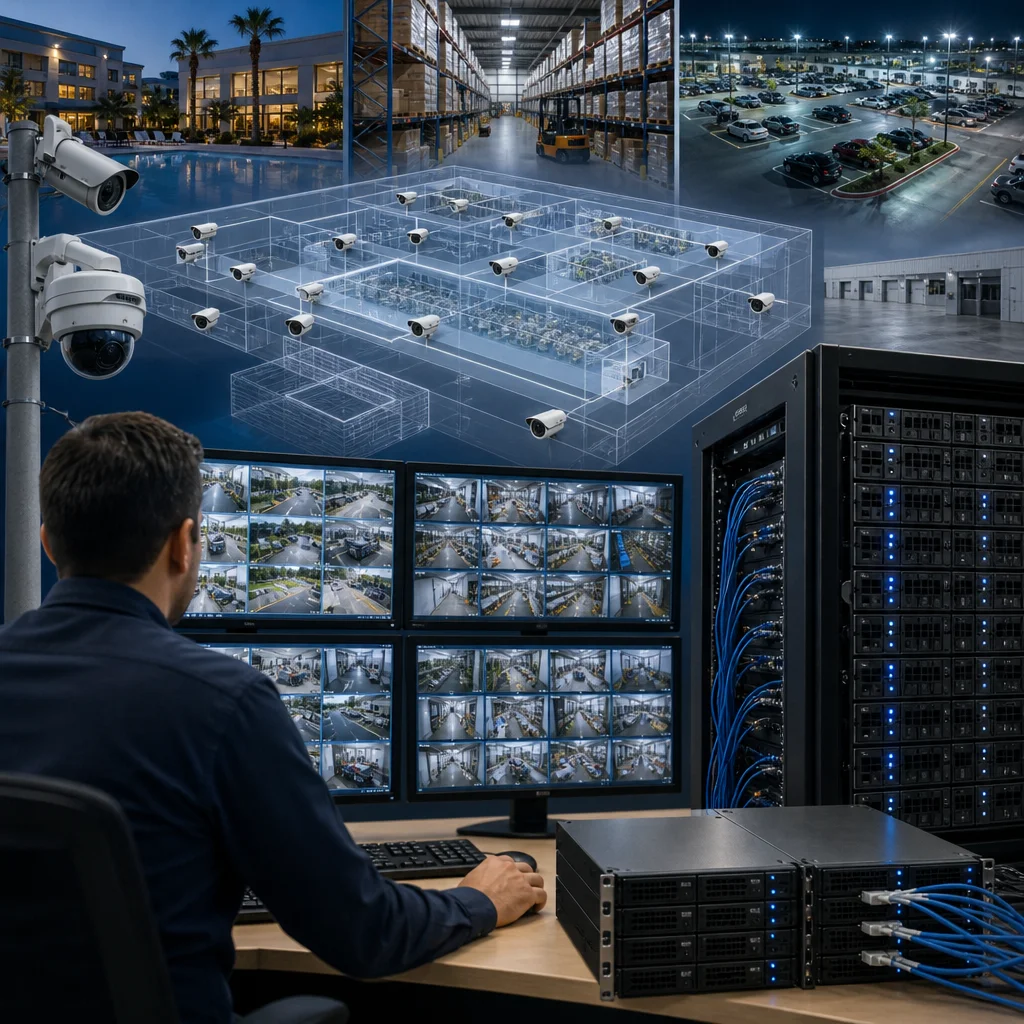
- AI-driven security cameras and NVRs
- Access control hubs and electronic strikes
- Network switches and internet gateways
When upgrading or replacing the hardware identified in your audit, sourcing reliable equipment from specialized retailers like Computech-Solutions ensures your infrastructure is built on a foundation of quality and support.
To better understand the core components of a business continuity plan for power outage, watch this helpful overview:
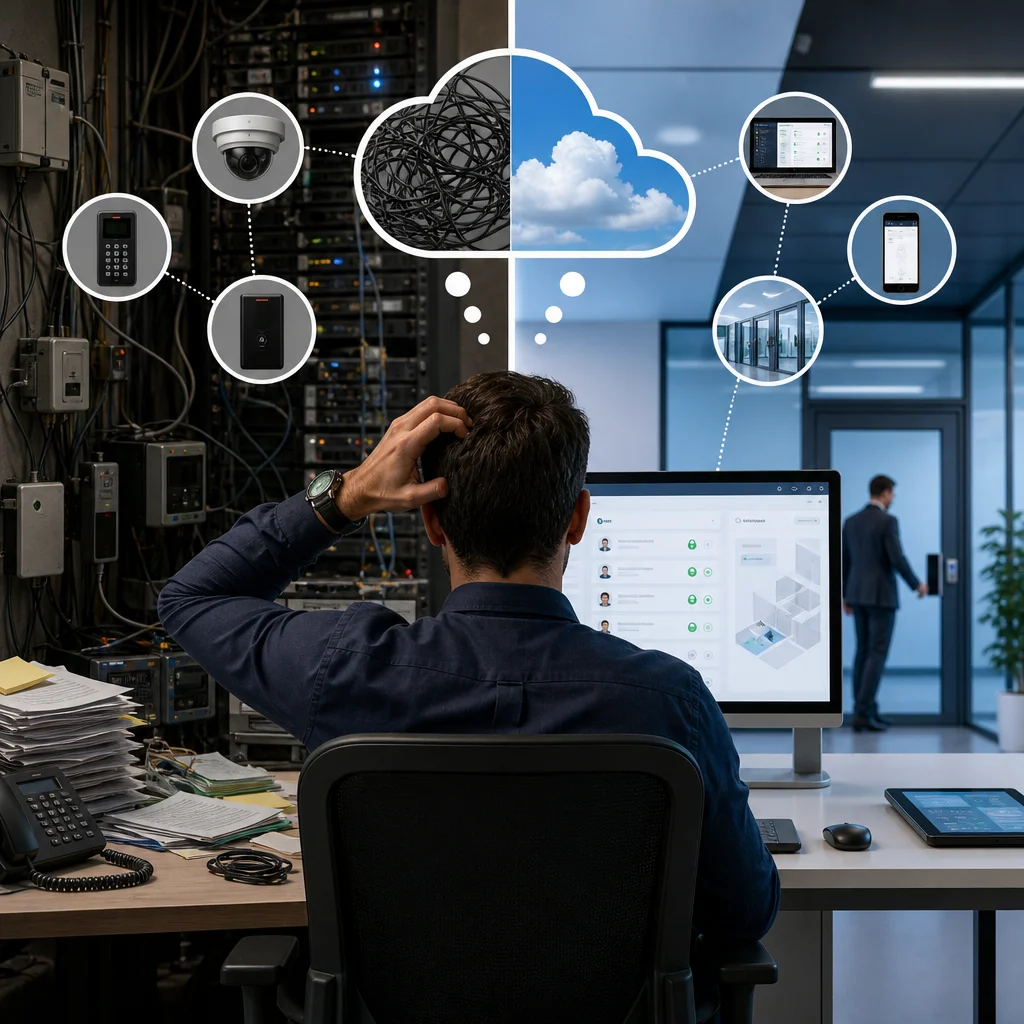
Don’t overlook the “Dark Site” risk during your audit. If your facility relies on cloud-based surveillance, you need to know exactly what happens when the local internet gateway loses power. Even if your cameras are on a battery backup, they’re effectively blind if they can’t reach the cloud. Evaluate your Uninterruptible Power Supplies (UPS) not just for their existence, but for their current health and actual capacity to sustain these gateways during the transition to secondary power.
Managing these technical complexities often requires professional oversight; for instance, Networking2000 offers specialist managed IT support and infrastructure services to help businesses maintain connectivity and data integrity during unforeseen outages.
Identifying Security System Weak Points
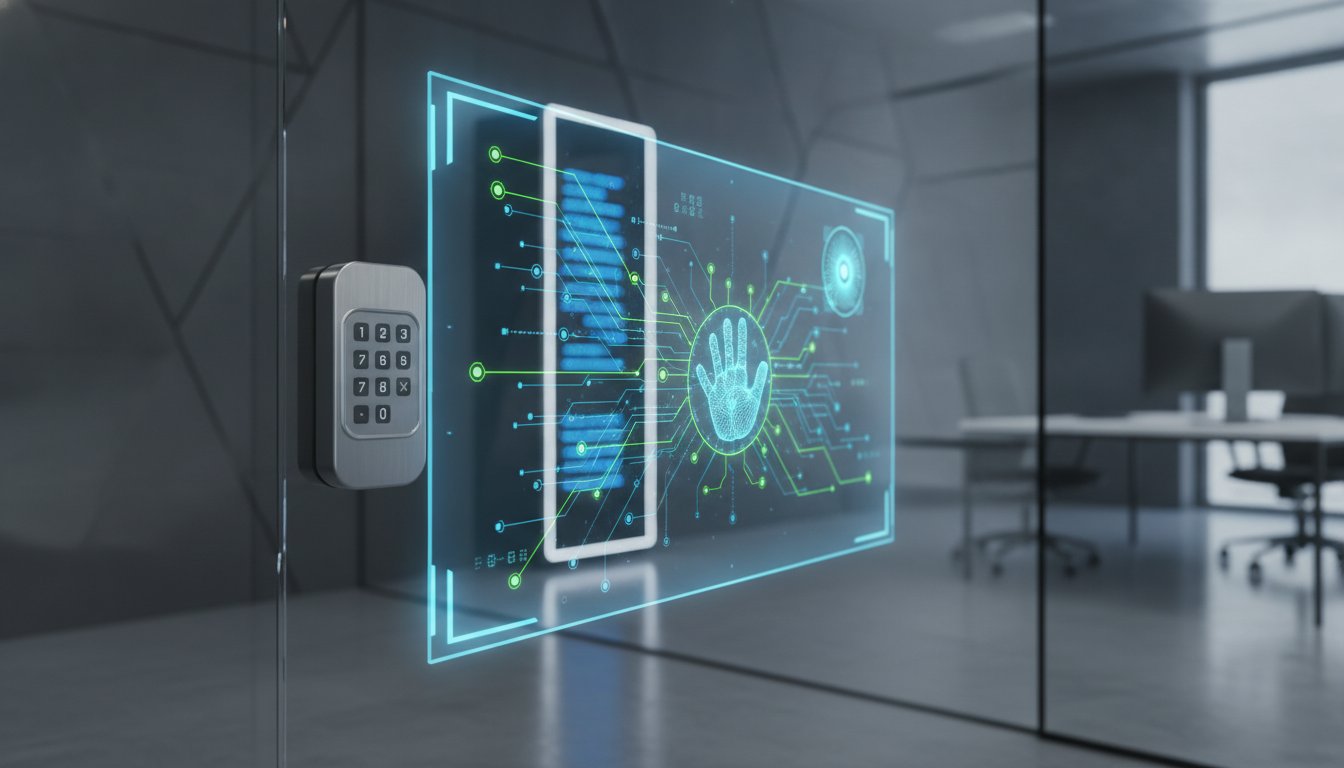
Physical security is often the first casualty of an outage. Check if your keycard access control system includes a manual override or dedicated battery backup. You’ll also need to verify the fail-safe and fail-secure settings on every electronic lock. Fail-safe locks open when power is lost to prioritize life safety, while fail-secure locks remain locked to prioritize asset protection. Choosing the wrong setting for a specific door can create significant liability and safety risks.
Network and Data Integrity Mapping
High-speed connectivity is the backbone of modern business. Identify which CAT6 cabling installation points are feeding mission-critical systems like VOIP phones or real-time data servers. It’s also vital to establish clear benchmarks for recovery. Your Recovery Time Objective (RTO) for the primary data server is the maximum tolerable duration that the server can remain offline before the business suffers irreparable financial or operational damage.
In retail and service-oriented environments, this infrastructure mapping must also account for transaction points. PenguinPay offers specialized consultancy for bespoke EPOS and card payment solutions, ensuring these vital systems are factored into your continuity strategy to prevent revenue loss during a blackout.
Phase 2: The Power Outage Response Checklist
When the grid drops, the first few seconds determine whether you face a minor hiccup or a major data disaster. A modern business continuity plan for power outage relies on rapid, automated detection. Instead of waiting for a phone call from dark offices, sophisticated organizations utilize RMM to receive instant notifications the moment a heartbeat is lost on the network. This early warning allows your technical team to act before UPS batteries reach critical levels.
Beyond simple alerts, remote monitoring management for business can trigger automated failover scripts. These scripts initiate graceful shutdowns for non-essential hardware while ensuring critical databases are backed up and parked safely. Physical site security must also remain a priority. Verify that your AI-driven analytics and security cameras have transitioned to secondary power to prevent opportunistic theft during the confusion. Establishing a clear ‘Power-Down’ chain of command ensures every team member knows their role, whether they’re on-site or working remotely.
Digital Failover Procedures
It’s essential to confirm that network security for small business protocols stay active during the transition. Outages often create ‘reboot-loop’ vulnerabilities where security settings might temporarily revert to defaults. Execute a tiered shutdown strategy; preserve your limited UPS runtime by cutting power to non-essential peripherals first, leaving the remaining capacity for your core data functions and security hubs.
On-Site Facility Management
For extended outages, the success of your business continuity plan for power outage depends on mechanical reliability. Confirm that the automatic transfer switch (ATS) has successfully engaged your standby generator. Once running, your facility team must monitor fuel levels and cooling systems closely. If you need assistance auditing your current backup hardware, you can consult with our infrastructure experts to ensure your systems are truly fail-safe. Regular testing of the ATS is the only way to guarantee it will perform under the stress of a real-world failure.
Phase 3: Engineering Long-Term Power Resilience
Phase 3 focuses on moving beyond reactive measures toward a state of energy independence. A truly resilient business continuity plan for power outage integrates multiple power sources to eliminate any single point of failure. This begins with a professional backup generator installation for business, sized appropriately for your facility’s full load requirements.
Integrating commercial solar solutions adds a secondary layer of redundancy that operates independently of fuel supply chains. To maximize this hardware, you should optimize your structured cabling system to support Power over Ethernet (PoE). Centrally backing up PoE switches ensures that phones, cameras, and access control points remain powered through a single, managed source. Conducting quarterly “black-start” drills is the only way to verify that this entire ecosystem functions as designed under realistic conditions.
The Role of Professional Maintenance
Generators that sit idle often fail when they’re needed most. We recommend scheduling semi-annual load bank testing to ensure your equipment can handle the actual stress of your facility’s electrical demand. Establishing a partnership with a provider that monitors both your physical infrastructure and your digital RMM systems creates a symbiotic defense. This dual-layered oversight ensures that a mechanical failure doesn’t go unnoticed until the next blackout occurs.
Future-Proofing with Sustainable Energy
Battery storage systems are becoming a critical bridge in the modern business continuity plan for power outage. As you evaluate your infrastructure, you can explore C&I BESS options that provide near-instantaneous power, covering the critical seconds between a grid failure and generator engagement. Commercial solar installations can significantly offset your daily operational costs while serving as a reliable emergency power pillar during extended grid disruptions.
To ensure your facility is equipped with the most advanced hardware for this transition, check out Nippon Energy for high-efficiency HJT and TOPCon solar panels.
Building a Future-Proof Foundation for Operational Resilience
True stability in 2026 requires more than just a standby generator; it demands a seamless integration of physical hardware and digital oversight. By auditing your critical infrastructure, establishing automated response protocols, and investing in long-term energy independence, you protect your digital assets and physical site security simultaneously. Implementing a comprehensive business continuity plan for power outage is an investment in your organization’s long-term stability that ensures you remain operational when others go dark.
For many businesses, achieving this level of integration is made easier through partnerships with specialists like Trinity Networx, LLC, who provide the proactive IT support and cybersecurity needed to safeguard critical operations.
Terapixels Systems serves as your reliable architect for unified physical and digital infrastructure. Our team specializes in 2026-ready AI analytics and RMM solutions that act as an early warning system for your facility. With national coverage for generator maintenance and security integration, we provide the steady hand needed to manage complex background systems so you can focus on your core business objectives.
You don’t have to face the complexities of grid instability alone. We’re here to help you design a customized roadmap that ensures your systems failover seamlessly and your business continues to grow with confidence.
Frequently Asked Questions
What is the difference between a disaster recovery plan and a business continuity plan for power outages?
Business continuity focuses on keeping your operations running during the actual outage, such as engaging backup generators to maintain security and lighting. Disaster recovery is the subset of that plan dedicated to restoring technical systems and data integrity after the power returns. A robust business continuity plan for power outage ensures your infrastructure stays online so that a full-scale disaster recovery process is never triggered.
How long can a typical commercial UPS support a business security system?
Most commercial UPS units are designed to provide 15 to 30 minutes of runtime depending on the total load of your connected security cameras and access control hubs. This critical window isn’t intended for long-term operation. Instead, it serves as a bridge to provide clean power until your standby generator successfully engages or to allow your RMM software to execute a graceful, automated shutdown of sensitive data servers.
How often should a business test its backup generator under full load?
You should perform a professional load bank test at least once per year to ensure the system doesn’t stall or overheat when it’s forced to carry the building’s entire electrical demand. While monthly no-load exercises are standard for mechanical health, only a full-load test verifies that the generator, cooling system, and transfer switch will all perform correctly under the actual stress of a total grid failure.
Can Remote Monitoring Management (RMM) help during a total power failure?
Yes, RMM serves as your digital early warning system by detecting the loss of a network “heartbeat” the moment power is lost. Even if your physical site is dark, the off-site RMM dashboard alerts your technical partners immediately. This allows for rapid verification of failover status and ensures that remote security protocols are active before onsite staff even realize the extent of the disruption. For expert support in managing these critical technology environments across Africa, click here.
What are the most common causes of BCP failure during a real-world outage?
The most frequent failures result from neglected maintenance, such as dead generator starter batteries or expired UPS cells that can no longer hold a charge. Many plans also fail because they don’t account for the “Dark Site” risk, where internet gateways lose power. If the gateway is down, your cloud-based security and communication tools become inaccessible even if the individual cameras or computers have backup power.
To prevent these common pitfalls, SpaceCenter Systems offers mission-critical support and managed IT services that ensure every component of your infrastructure is monitored and maintained for peak reliability.
Is it necessary to back up my cloud-based surveillance cameras if the data is off-site?
It is essential to provide backup power for the entire transmission path, including network switches and internet gateways. While your historical footage is safe in the cloud, your cameras cannot transmit live video or AI analytics during an active outage if the local connection drops. A comprehensive business continuity plan for power outage must prioritize the local hardware that keeps your facility connected to those off-site resources.