CONTACT US
For a large organization, a single minute of power failure can cost as much as $9,000 in lost revenue. With power failures accounting for 54% of all data center outages, the implementation of robust business continuity power solutions has become a fundamental requirement for operational stability. You likely recognize that a simple standby generator is no longer enough to safeguard your assets. It’s a complex challenge to integrate solar arrays, battery storage, and existing grid connections into a single, reliable system that doesn’t fail when you need it most.
We understand the pressure of maintaining 100% uptime while managing the technical shift toward more sustainable energy. This guide will show you how to design and deploy a resilient power infrastructure that eliminates downtime and protects your commercial operations. We’ll preview the latest 2026 standards, including the updated NFPA 110 guidelines for lithium-ion batteries and the move toward reliability-centered maintenance. By following this strategic roadmap, you can transition from reactive troubleshooting to a position of quiet confidence, knowing your facility is powered by a sophisticated, well-architected energy backbone.
Key Takeaways
- Understand the critical distinction between basic backup hardware and integrated business continuity power solutions designed for seamless operational stability.
- Learn how to synchronize on-site generation from commercial solar and generators with battery storage to create a multi-layered defense against grid failure.
- Discover the methodology for conducting a Business Impact Analysis to identify critical loads and design a redundant architecture that removes single points of failure.
- Explore the value of Remote Monitoring Management in providing real-time visibility into system health, ensuring your infrastructure is ready before a crisis occurs.
- Gain a 2026 strategic roadmap to protect your commercial facility from the significant financial impact of unmanaged downtime through proactive infrastructure design.
Table of Contents
What are Business Continuity Power Solutions?
Business continuity power solutions represent an integrated architecture of hardware and software designed to keep your critical operations running during a utility failure. While many view backup power as a simple standby generator, a true continuity solution is more sophisticated. It involves a strategic approach to Business continuity planning, ensuring that every component, from your UPS to your commercial solar array, works in unison. It’s the difference between merely having a safety net and building a bridge that keeps your business moving forward without a pause.
To better understand how these systems fit into your broader organizational strategy, watch this helpful overview:
In 2026, the metrics for success are defined by two key concepts: Recovery Time Objective (RTO) and Recovery Point Objective (RPO). In the context of power, RTO is the duration it takes for your backup systems to take over the load. RPO refers to the maximum amount of data or progress you can afford to lose during that transition. A single point of failure anywhere in this chain, such as a neglected transfer switch or an unmonitored battery bank, creates an unacceptable risk to your entire operation. A comprehensive plan ensures these metrics are met through redundancy and proactive design.
The Economic Impact of Power Instability
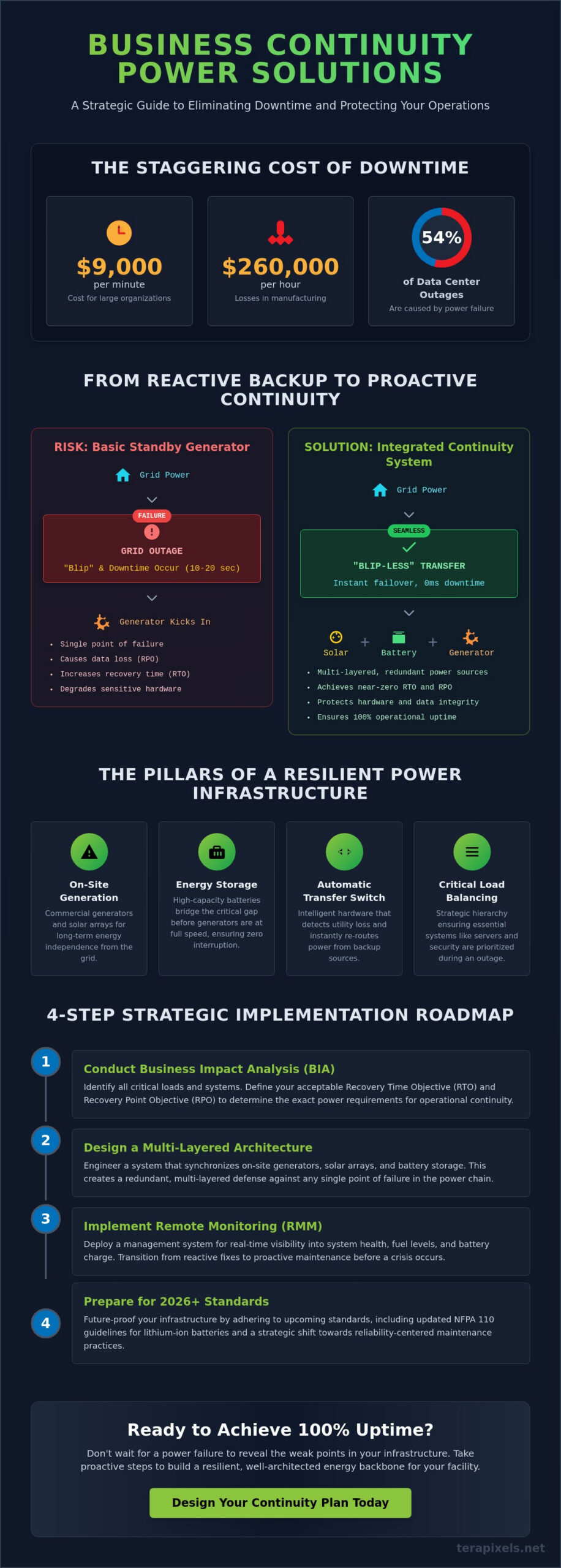
The financial consequences of power failure are immediate and measurable. For large organizations, the cost of downtime can reach $9,000 per minute, while manufacturing facilities often face losses of $260,000 per hour. Beyond immediate revenue loss, power “blips” or surges can degrade sensitive hardware and compromise cybersecurity integrity by forcing unscheduled system reboots. Achieving a blip-less transfer, where the transition from grid to backup is so smooth that equipment never registers a disruption, is the gold standard for modern business continuity.
This high standard for technical precision and uninterrupted performance is also a core requirement in professional live and hybrid environments. For those coordinating complex productions that demand similar reliability, you can find out more about specialized technical event solutions.
The Pillars of a Resilient Commercial Power Infrastructure
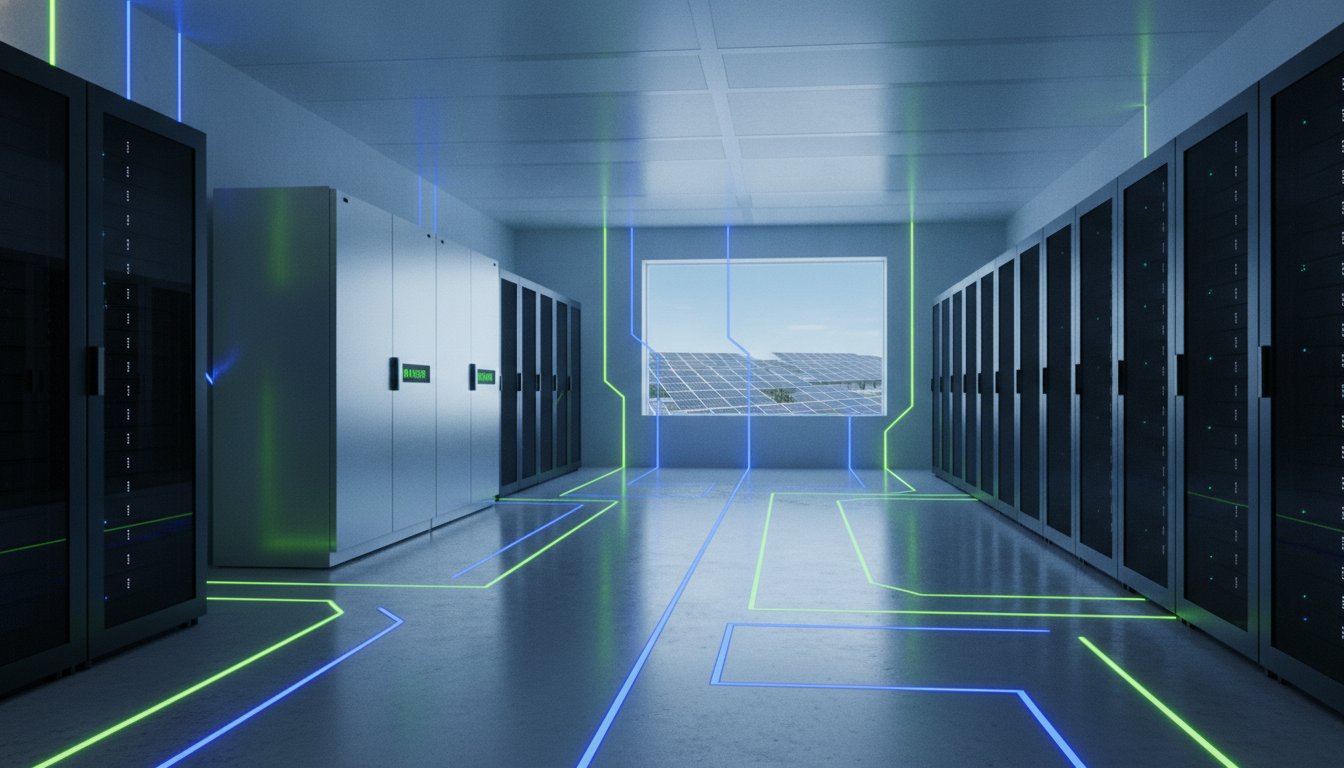
A resilient power network acts as the silent pulse of your facility. Effective business continuity power solutions rely on a multi-layered architecture that doesn’t just react to failures but anticipates them. By leveraging a combination of on-site generation and intelligent energy storage, you can ensure that critical hardware remains protected regardless of external grid conditions. This approach requires a detailed business continuity plan that addresses every link in the power chain.
The core of these systems involves four critical components working in harmony:
- On-site Generation: The combination of heavy-duty commercial generators and solar arrays to provide long-term energy independence.
- Energy Storage: High-capacity battery systems that bridge the crucial 10 to 20 second gap before a generator reaches full speed.
- Automatic Transfer Switches (ATS): The intelligent hardware that detects utility loss and instantly re-routes power from backup sources.
- Load Balancing: A strategic hierarchy that ensures power is funneled to servers, security systems, and climate control before non-essential lighting.
Integrating Commercial Solar and Storage
Modern solar installations have evolved beyond simple cost-saving measures. In a continuity context, solar acts as a secondary generation layer that extends the life of your fuel reserves during extended outages. The synergy between battery storage and generator deployment is essential; batteries handle the immediate “blip,” while backup generator installation for business provides the sustained endurance needed for multi-day events. If you’re unsure where your current infrastructure stands, our team at Terapixels Systems can help you audit your existing systems for these critical redundancies.
The Role of Structured Cabling in Power Management
Your power management system is only as reliable as the network it runs on. Real-time communication between power sensors, batteries, and the ATS requires a high-performance data backbone. Ensuring a professional CAT6 cabling installation commercial grade setup supports the high-speed data transfer necessary for precise power monitoring. For large-scale facilities, fiber optic backbones are often utilized to prevent electromagnetic interference from high-voltage lines, ensuring that your management software receives accurate health data from every corner of the property.
How to Implement a Power Continuity Plan: A Step-by-Step Guide
Implementing business continuity power solutions requires a methodical approach that goes beyond purchasing equipment. It starts with a clear understanding of What is Business Continuity? and how it applies to your specific building infrastructure. This isn’t just about survival; it’s about maintaining a seamless standard of service regardless of external utility conditions.
Step 1: The Power Audit and Risk Assessment
The first phase involves a comprehensive Business Impact Analysis (BIA) to inventory every device that requires “always-on” power. You must categorize your loads into critical, essential, and non-essential tiers. During this audit, we assess geographic-specific risks, such as local grid instability or seasonal weather patterns that could threaten your facility. By identifying exactly what needs protection, you avoid the high cost of over-engineering while ensuring your most vital operations never flicker.
Once your critical loads are identified, the execution moves into technical design and deployment:
- Design for Redundancy: We architect the system to eliminate single points of failure. This often involves parallel generation or redundant battery strings.
- Professional Installation: Proper integration of commercial generators and Automatic Transfer Switches (ATS) ensures that hardware is synchronized correctly with your existing electrical panels.
Step 5: Training and Documentation
The final pillar of your plan is the human element. Your team needs clear Standard Operating Procedures (SOPs) for manual overrides and emergency protocols. It’s vital that your staff understands how to manage systems during a transition, ensuring your network security for small business remains active and uncompromised when the power shifts. Documentation should be accessible and updated annually to reflect any changes in your facility’s hardware or operational needs.
If you’re ready to secure your facility’s future, contact Terapixels Systems for a professional power infrastructure audit to begin your implementation process.
Maximizing Uptime with Remote Monitoring and Management (RMM)
The most resilient hardware remains vulnerable if its operational status is unknown until the moment of crisis. Manual inspections are often a primary cause of backup power failure simply because issues like low fuel levels or degraded battery cells go unnoticed between scheduled visits. High-performance business continuity power solutions bridge this gap by utilizing a digital oversight layer that provides constant, granular visibility into your facility’s health.
With the integration of Remote Monitoring and Management, you gain access to what’s known as a “Single Pane of Glass.” This unified dashboard allows decision-makers to view power status, cybersecurity health, and IT infrastructure in one interface. By utilizing AI analytics, the system can perform predictive maintenance, catching potential generator failures or transfer switch malfunctions before they escalate into a full-scale outage. Real-time alerts ensure you’re notified of battery health or fuel status long before a utility failure occurs.
Why RMM is the Missing Link in Power Continuity
To truly understand the value of this technology, it’s helpful to define what is RMM. In the context of infrastructure, it’s a proactive toolset that allows for the remote oversight of physical electrical components and digital networks. This approach significantly reduces the need for frequent on-site technician visits and lowers long-term operations and maintenance costs. It ensures that your backup systems aren’t just present, but are 100% ready to perform.
Integrating Power with Cloud-Based Security
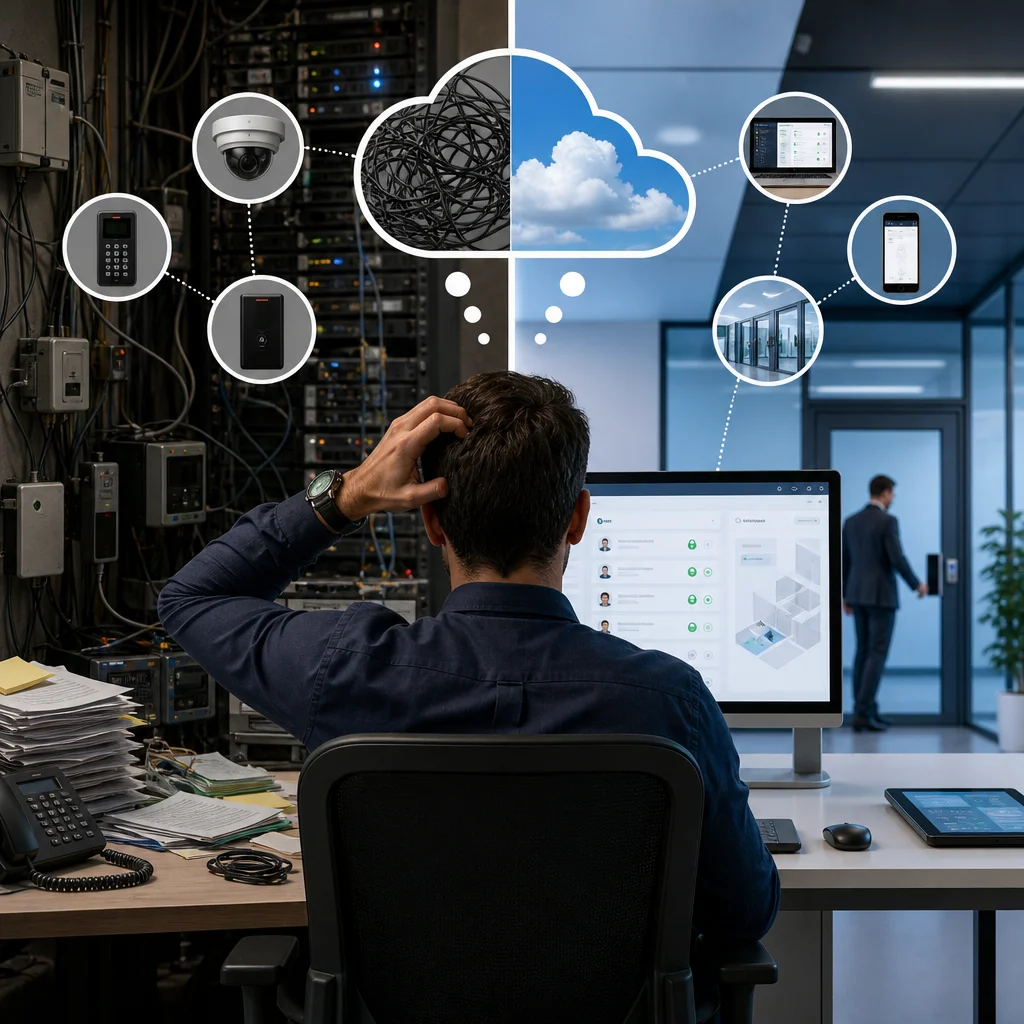
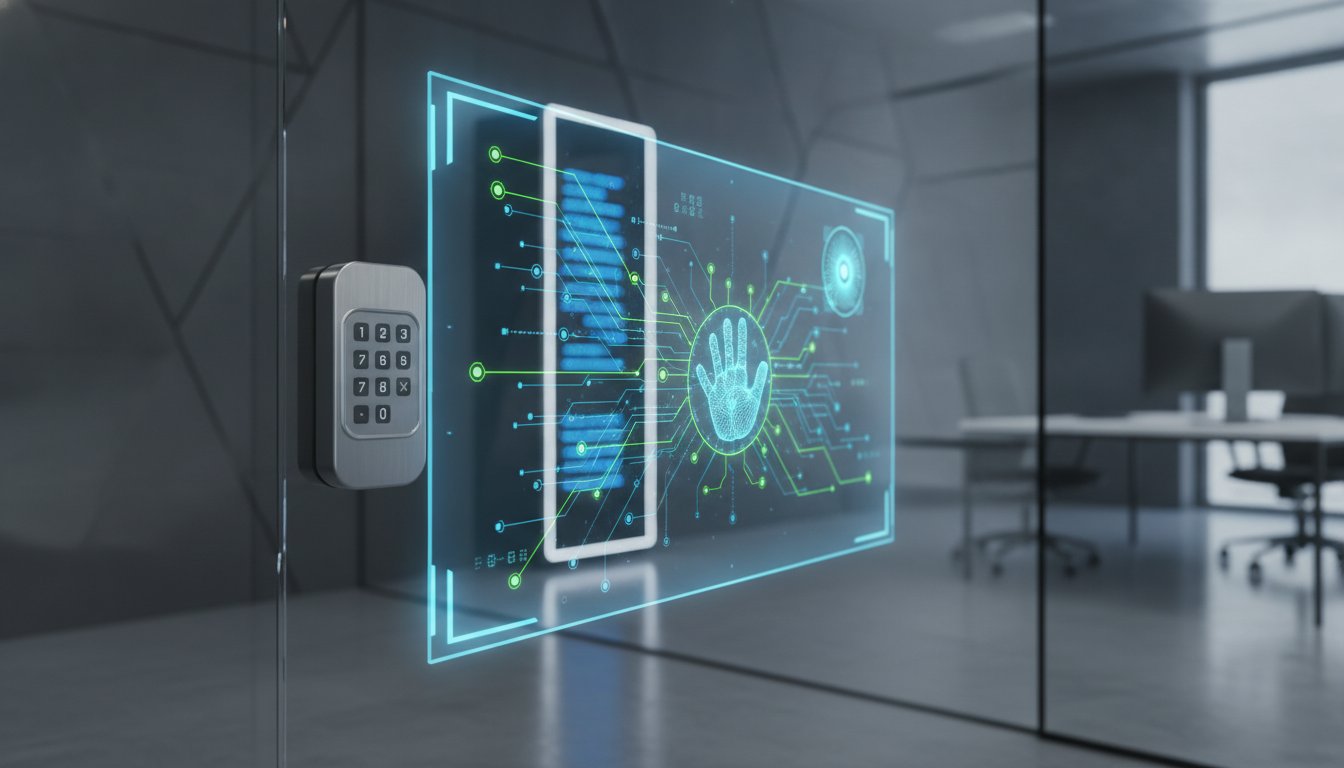
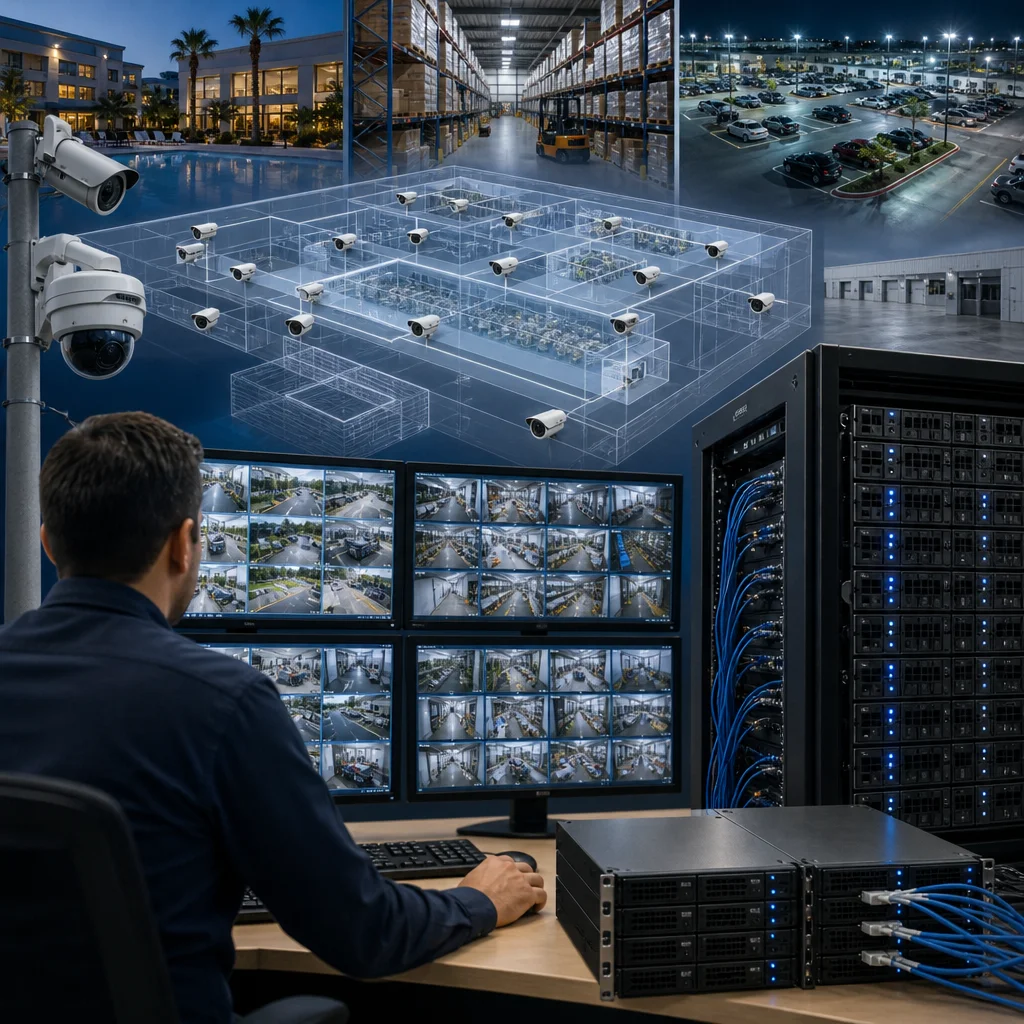
A comprehensive strategy ensures that your physical security doesn’t go dark when the grid does. By linking your energy backbone with an AI security camera system commercial grade setup, you ensure that surveillance never misses a frame during a power failover. For facilities seeking a more scalable and remotely accessible option, deploying a cloud-based surveillance system for business ensures that critical footage remains accessible and secure even when on-site infrastructure is under stress. Similarly, cloud-based commercial access control system installation solutions are programmed to maintain their security posture or fail-safe according to your specific protocols. This level of integration ensures that your business continuity power solutions protect both your digital data and your physical assets simultaneously.
If you’re looking to unify your facility’s resilience and management, schedule a comprehensive facility power and security audit with Terapixels Systems to ensure your operations are fully protected for the long term.
Building a Resilient Future for Your Commercial Operations
Establishing a resilient energy infrastructure is a fundamental pillar of modern commercial strategy. By integrating diverse energy sources like solar and generators with intelligent battery storage, you create a multi-layered defense that ensures operational stability. The shift toward proactive, 24/7 remote monitoring allows your team to focus on core objectives while automated systems manage the complex technical background. This holistic approach ensures that your business continuity power solutions are not just reactive backups, but a sophisticated energy backbone that supports long-term growth.
Terapixels Systems serves as a reliable architect for these complex systems, bringing together expertise in power, IT, and security into a single, cohesive narrative of reliability. With our national deployment capabilities and dedicated RMM support, we provide the steady hand needed to navigate the evolving energy landscape of 2026. We are committed to a partnership-driven mindset, ensuring your infrastructure is built for precision and stability.
Secure your operations with a custom Business Continuity Power Solution from Terapixels Systems.
Your facility deserves the protection of a well-constructed power plan that turns potential vulnerabilities into long-term strengths. We look forward to helping you build a more stable and secure operational future.
Frequently Asked Questions
What is the difference between backup power and business continuity?
Backup power refers to the individual hardware components, such as a generator, that provide electricity when the grid fails. Business continuity is the comprehensive strategy and integrated system of hardware and software designed to maintain all critical operations without interruption. While a generator is a tool, business continuity power solutions encompass the planning, monitoring, and redundancy needed to ensure your entire commercial infrastructure remains stable and functional.
Does my business need a UPS if I already have a backup generator?
Yes, a Uninterruptible Power Supply (UPS) is essential because most standby generators require 10 to 30 seconds to reach full operational speed. Without a UPS, your sensitive IT equipment and security systems will experience a hard shutdown during that brief window. The UPS acts as an immediate energy bridge, providing battery power the instant a failure is detected until the generator successfully takes over the load.
How often should a commercial standby generator be tested?
Most commercial generators should undergo a brief weekly exercise without a load to ensure the engine and battery are healthy. Additionally, a full-load test should be performed monthly to verify the system can handle the facility’s power requirements. Following the 2025 edition of the NFPA 110 standard, many organizations are now adopting a data-driven approach to maintenance, utilizing remote monitoring to track performance metrics in real time between physical inspections.
Can commercial solar panels provide power during a grid outage?
Standard grid-tied solar arrays typically shut down during an outage to prevent back-feeding the grid and endangering utility workers. However, if your system is designed with battery storage and a specialized inverter that allows for island mode, it can continue to provide power. Integrating solar into your business continuity power solutions allows you to extend fuel reserves by using renewable energy to supplement your generator output during daylight hours.
What is a blip-less power transfer and why does it matter for IT?
A blip-less transfer is a seamless transition from utility power to a backup source that occurs so quickly that electronic equipment doesn’t register a disruption. This is critical for IT environments because even a millisecond drop in voltage can cause servers to reboot and databases to corrupt. Achieving this level of precision requires a well-maintained UPS and a high-speed Automatic Transfer Switch working in perfect synchronization to protect your digital assets.