CONTACT US
Table of Contents
- The Hidden Cost of Choosing the Wrong Cabling Partner
- Why Structured Cabling Matters for Your Business Operations
- What Sets a Premium Cabling Vendor Apart
- Our Approach to Infrastructure Assessment and Planning
- Installation Excellence and Standards Compliance
- Integration with Your Security and IT Systems
- Ongoing Support and Future-Proofing Your Network
- How We Deliver Long-Term Value
- Get Started with Your Cabling Transformation
- Frequently Asked Questions (FAQ)
The Hidden Cost of Choosing the Wrong Cabling Partner
Selecting a structured cabling vendor is one of the most consequential infrastructure decisions you’ll make. Yet many facility leaders approach it like purchasing office supplies, comparing quotes and installation timelines without understanding what separates a vendor that will support your business for decades from one that leaves you with costly technical debt.
At Terapixels Systems, we’ve worked with mid-sized organizations across hospitality, healthcare, warehousing, and manufacturing to build cabling infrastructures that integrate seamlessly with security systems, managed IT services, and operational networks. The difference between choosing well and choosing poorly often determines whether your facility operates efficiently for the next 10 years or requires expensive infrastructure overhauls in three.
The cheapest bid rarely delivers the lowest total cost of ownership. When organizations partner with vendors primarily focused on installation speed and minimal upfront investment, they typically encounter problems that compound over years.
Poorly planned cabling infrastructure creates several cascading issues. Inadequate cable pathways force future additions into cramped conduit, making maintenance and upgrades exponentially more difficult. Substandard testing and documentation means your IT team spends hours troubleshooting problems that proper installation would have prevented. Incompatible cabling standards create bottlenecks when you eventually need to expand capacity or integrate new security and access control systems.
Consider a typical scenario: a regional hotel chain selects a vendor based on lowest cost. The installation completes on schedule, but within 18 months, network performance degrades as the facility adds security cameras and access control systems. The original cabling wasn’t properly terminated, wasn’t documented, and wasn’t tested to applicable standards. Adding new systems requires re-running cables through walls already occupied by the original installation. What should have been a straightforward security upgrade becomes a three-month, six-figure project that disrupts guest operations.
The hidden costs accumulate: emergency service calls, extended downtime, overtime labor for IT staff, delayed security implementations, and reduced system performance that impacts guest experience or operational efficiency. Organizations often spend 40-50% more long-term when they prioritize initial cost savings over infrastructure quality.
Actionable takeaway: Before evaluating vendors, document your facility’s current systems, planned expansions, and integrated technology needs for the next 5-10 years. This baseline prevents vendors from underestimating scope and helps you identify who’s truly planning for growth versus simply quoting installation work.
Why Structured Cabling Matters for Your Business Operations
Structured cabling is the foundation that enables modern facility operations. It’s not simply ethernet cables running through walls; it’s the organized system that connects security cameras, access control readers, network switches, phones, and IT infrastructure into a unified, manageable ecosystem.
Most facilities in 2026 operate with multiple overlapping technology systems. Security cameras feed surveillance data to your access control platform. IP-based access readers communicate with database servers. Guest WiFi networks require robust backbone infrastructure. Environmental monitoring systems track facility conditions. Backup power systems need integration with network management tools. Each of these systems depends on reliable, properly specified cabling infrastructure.
When cabling is poorly planned, you’re forced to choose between operational compromises and expensive retrofitting. A distribution center with inadequate data infrastructure might accept slower inventory tracking systems because upgrading would require extensive cable work. A hotel unable to properly integrate its security and access systems relies on manual processes that create security gaps and operational friction. A healthcare facility with undersized cable pathways delays implementation of remote patient monitoring because physical infrastructure constrains system expansion.
Structured cabling solves these constraints through systematic planning. Proper infrastructure includes dedicated cable pathways with adequate capacity, multiple cabling standards supporting different use cases, documented termination points, and tested connections that meet industry standards. This creates flexibility. When your organization needs to add security cameras, deploy access control systems, or integrate new managed IT services, your infrastructure accommodates these additions without major disruption.
For enterprise environments, the operational impact is substantial. Reliable, properly designed cabling infrastructure reduces unplanned downtime, accelerates system deployments, enables seamless integration of new technologies, and creates environments where your IT and security teams can actually manage systems effectively rather than constantly troubleshooting infrastructure problems.
Actionable takeaway: Audit your current cabling infrastructure for documentation completeness and testing records. If you can’t quickly identify where cables terminate, what standards they meet, or when they were last tested, this is where a comprehensive assessment from an experienced structured cabling vendor adds immediate value.
What Sets a Premium Cabling Vendor Apart
The distinction between vendors goes well beyond installation quality, though that matters tremendously.
Premium structured cabling vendors combine technical expertise with strategic thinking about your specific facility. They understand not just how to install cable, but what your organization actually needs based on your industry, building architecture, current systems, and growth trajectory.
Here’s what separates experienced vendors:
Deep industry knowledge. We’ve worked extensively with hospitality operators, healthcare facilities, manufacturing plants, warehousing operations, and property management companies. Each vertical has specific infrastructure requirements. A hotel requires different cabling strategies than a data center. A healthcare clinic needs different security integration than a manufacturing facility. Vendors without deep experience in your industry default to generic approaches that don’t optimize for what actually matters to your operations.
Comprehensive site assessment capability. Rather than simply quoting based on square footage and endpoint counts, premium vendors physically assess your facility, evaluate existing infrastructure, identify constraints, and develop detailed plans before installation begins. We complete detailed cable pathway analysis, identify future expansion capacity requirements, and plan for integration with your security and access control systems.
Standards compliance and certification. Proper cabling installation meets recognized standards like TIA-568 and ISO/IEC 11801. These aren’t optional quality benchmarks; they’re technical specifications that ensure your systems operate reliably and perform as specified. Vendors should provide certification of completed work and maintain current training credentials.
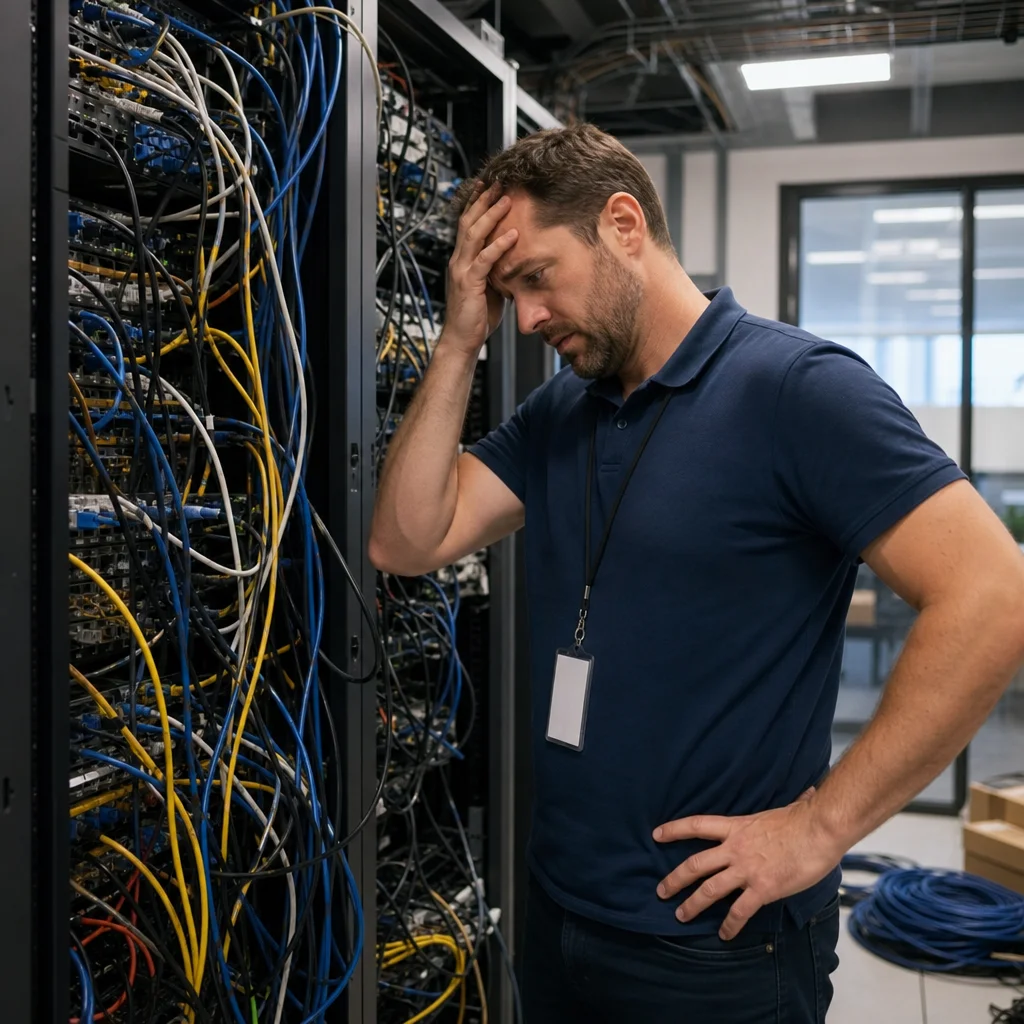
Integrated systems thinking. Your cabling infrastructure must work seamlessly with your IT network, security systems, and access control platforms. Vendors who understand this integration can design cabling that supports your entire technology ecosystem rather than treating cabling as a standalone project.
Documentation and testing protocols. After installation, you should receive complete documentation showing cable runs, termination points, testing results, and system diagrams. This documentation is essential for future troubleshooting, expansions, and integrations.
Long-term partnership orientation. The best vendors view the installation as the beginning of a relationship. They maintain ongoing relationships, support future expansions, and help you plan technology roadmaps.
When evaluating vendors, look beyond pricing and installation timeline. Request references from facilities in your industry, ask about their assessment process, review sample documentation from past projects, and clarify how they approach integration with security and IT systems.
Actionable takeaway: Create a simple scoring matrix evaluating vendors across technical expertise, industry experience, assessment methodology, certification credentials, documentation standards, and support approach. This structured comparison reveals meaningful differences that pure price comparison obscures.
Our Approach to Infrastructure Assessment and Planning
We start every structured cabling engagement with thorough assessment and collaborative planning, recognizing that each facility has unique requirements that demand customized solutions.
Our assessment process typically involves three phases:
Initial discovery. We interview key stakeholders including facility management, IT leadership, security teams, and operations staff. This conversation clarifies your current technology environment, planned expansions, performance objectives, and constraints. We document existing cabling infrastructure, identify areas of concern, and understand your integration requirements.
Physical facility evaluation. Our engineers conduct detailed on-site assessments. We map cable pathways including existing conduit, wall cavities, plenum spaces, and structural constraints. We evaluate current infrastructure condition and testing status. We identify optimal locations for distribution points, network equipment, and cable termination. We photograph and document potential obstacles or special considerations.
Infrastructure planning. Based on assessment findings, we develop comprehensive cabling plans that specify:
- Appropriate cabling standards for different use cases (high-speed data, security systems, access control integration)
- Pathway routing that accommodates current needs and planned expansion
- Equipment room organization and distribution architecture
- Testing and certification protocols
- Integration points with your security, access control, and IT systems
- Documentation standards and labeling systems
- Timeline and installation phasing to minimize operational disruption
This planning prevents costly oversights. Rather than discovering midway through installation that cable pathways are inadequate or that your security system integration wasn’t properly planned, we identify these issues during assessment and address them in the design phase.
For facilities requiring integration with security cameras, access control readers, or specialized systems, we coordinate closely with your IT and security teams to ensure the cabling infrastructure properly supports your complete technology ecosystem.
Actionable takeaway: Request that any vendor provide a detailed assessment plan before providing a quote. A vendor willing to invest in thorough planning before proposing solutions demonstrates the thoughtfulness you need for a successful, long-term infrastructure partnership.
Installation Excellence and Standards Compliance
Professional installation execution determines whether your cabling infrastructure delivers reliable performance for decades or becomes a source of ongoing problems.
Quality installation requires skilled technicians, proper tools, and adherence to established standards. This isn’t area where experience variations are minor; they’re substantial.
Our installation protocols ensure reliability through several practices:
Standards-based termination. We terminate all cables according to TIA-568A or TIA-568B standards depending on your requirements. Proper termination ensures signal integrity and prevents performance issues. We use quality connectors and termination hardware rather than lower-cost alternatives that degrade performance.
Professional cable management. Proper cable management makes your infrastructure maintainable. Cables are organized, labeled, and routed to avoid physical stress, electromagnetic interference, and future damage. Cable pathways leave room for future additions without requiring complete reconfiguration.
Comprehensive testing and certification. Every installed cable run is tested to relevant standards. For data infrastructure, this involves testing signal transmission characteristics, identifying issues, and certifying performance. Testing documentation becomes part of your permanent facility records and provides baseline information for future troubleshooting.
Clean installation practices. Proper installation requires managing dust, debris, and site cleanliness throughout the process. We protect existing infrastructure from damage and clean up thoroughly upon completion.
Detailed documentation. Upon completion, you receive comprehensive documentation including cable runs, termination point details, testing results, equipment specifications, and system diagrams. This documentation is essential when you eventually expand systems or integrate new technologies.
Our reference implementation for enterprise-level cabling draws on deep experience with structured installations across our target verticals. Whether you’re deploying CAT6 cabling installation for commercial buildings or implementing low-voltage structured cabling for access control and security integration, our installation standards remain consistent.
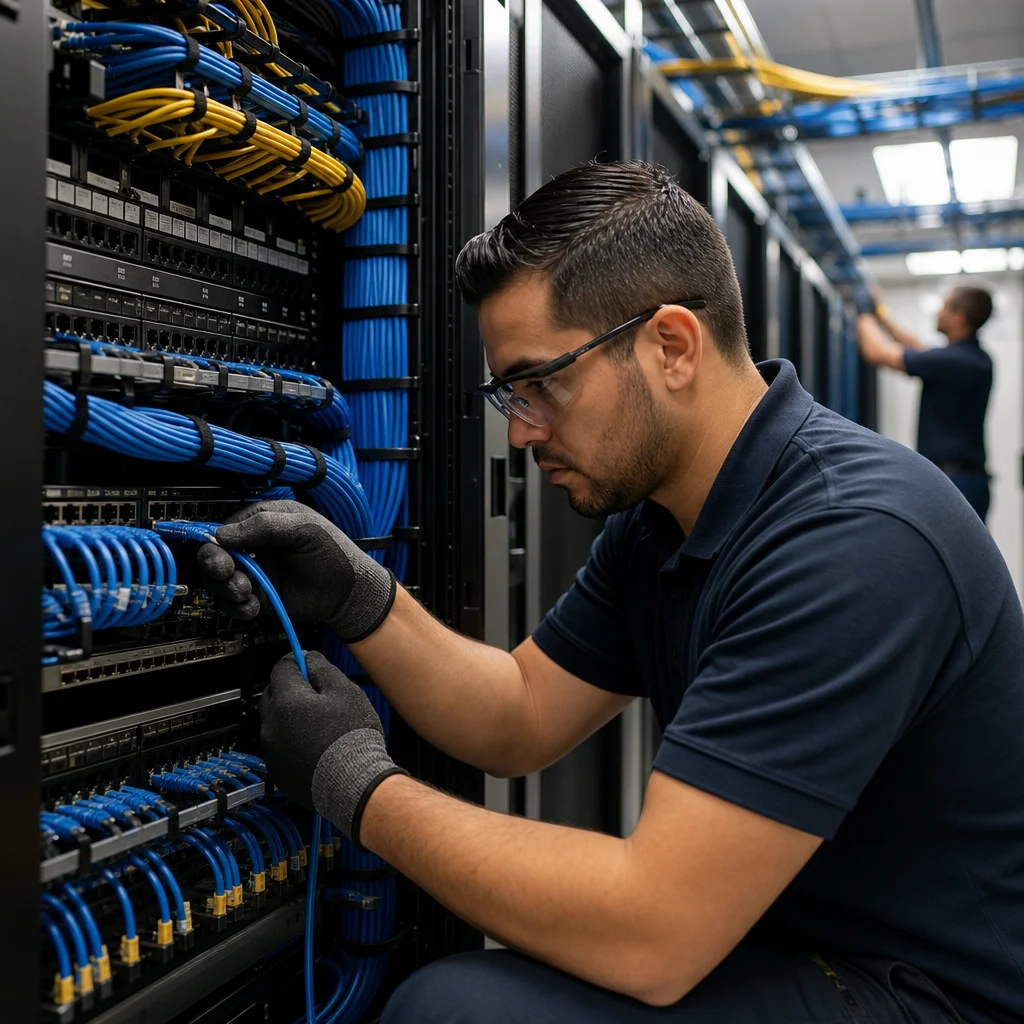
Actionable takeaway: Before selecting a vendor, request examples of their testing documentation and final project documentation from completed installations. Quality documentation reflects installation quality and provides the baseline you’ll need for ongoing maintenance and future expansions.
Integration with Your Security and IT Systems
Modern facility infrastructure is fundamentally integrated. Your cabling must support not just networking but the complete ecosystem of security cameras, access control systems, managed IT services, and operational technology.
This integration requires planning that goes beyond traditional IT cabling. Security systems have specific requirements for cable routing, termination, and environmental protection. Access control readers need reliable, dedicated connectivity. Video surveillance infrastructure requires bandwidth planning and network integration. Facility management systems need integration pathways.
We design cabling infrastructure with full system integration in mind. This means:
Dedicated infrastructure for critical systems. Security and access control systems often require dedicated cabling separate from general network traffic. This prevents bandwidth competition and ensures critical systems maintain consistent performance regardless of general network load.
Proper cable segregation and shielding. Security and facility systems sometimes require shielded cabling to prevent electromagnetic interference. We properly specify, install, and terminate shielded cables where needed.
Integration planning with IT and security teams. We coordinate with your IT and security teams to ensure cabling infrastructure supports your complete system architecture. This prevents situations where cabling is installed but doesn’t properly support system integration or creates connectivity bottlenecks.
Equipment room organization. We design equipment rooms that organize network switches, security system hardware, access control servers, and other infrastructure in logical, maintainable arrangements. Proper organization makes troubleshooting faster and prevents accidental connections that could create security or performance issues.
Future expansion planning. By understanding your planned security expansions, IT infrastructure growth, and facility changes, we design cabling systems that accommodate these additions without major reconfiguration.
For facilities in our target verticals like hotels, healthcare clinics, warehouses, and manufacturing plants, this integrated approach is essential. Your access control system needs to work seamlessly with your security infrastructure. Your managed IT services need reliable network connectivity. Your environmental monitoring needs data connectivity. Your backup systems need infrastructure integration.
Actionable takeaway: Early in your vendor evaluation, share your complete technology roadmap with prospective vendors and ask how they’d design cabling to support all your integrated systems. Vendors who ask detailed questions about your security and IT plans demonstrate integration thinking; vendors who focus only on network cabling miss critical aspects of your infrastructure needs.
Ongoing Support and Future-Proofing Your Network
Infrastructure selection determines not just your immediate capability but your operational flexibility for years ahead. The best cabling partners help you plan for evolution.
Future-proofing involves multiple elements. First, adequate cable pathway capacity means when you eventually expand systems, you’re adding cables to available pathways rather than forcing expensive reconfiguration. Second, standards-based installation means your infrastructure accommodates technology evolution. Properly installed CAT6 cabling, for example, supports current high-speed data requirements while accommodating future upgrades. Third, proper documentation means future IT and security teams can understand your infrastructure and plan expansions confidently.
We provide ongoing support that extends well beyond initial installation:
Maintenance and expansion support. As your facility evolves, we remain your cabling partner for expansions, upgrades, and modifications. We understand your original infrastructure, can extend it properly, and maintain consistency with your existing systems.
Documentation updates. When systems change, we update your infrastructure documentation to reflect current configuration. This maintains the accuracy of your records over time.
Technology roadmap collaboration. We help you think through future infrastructure needs, planned facility expansions, and technology evolution. This keeps your infrastructure ahead of requirements rather than constantly catching up.
Integration support. When you implement new security systems, access control platforms, or managed IT services, we ensure proper integration with your existing cabling infrastructure.
The distinction between a vendor and a partner becomes apparent in this ongoing phase. Vendors complete installation and move on. Partners maintain relationships, understand your business, and help you navigate technology evolution.
Actionable takeaway: When selecting a vendor, explicitly discuss your expected growth and technology evolution over the next 5-10 years. A vendor committed to long-term partnership will ask clarifying questions and discuss how they’ll support your future infrastructure needs.
How We Deliver Long-Term Value
The real value of professional structured cabling infrastructure emerges over years of operation. Organizations that choose partners wisely experience dramatically different outcomes than those prioritizing lowest upfront cost.
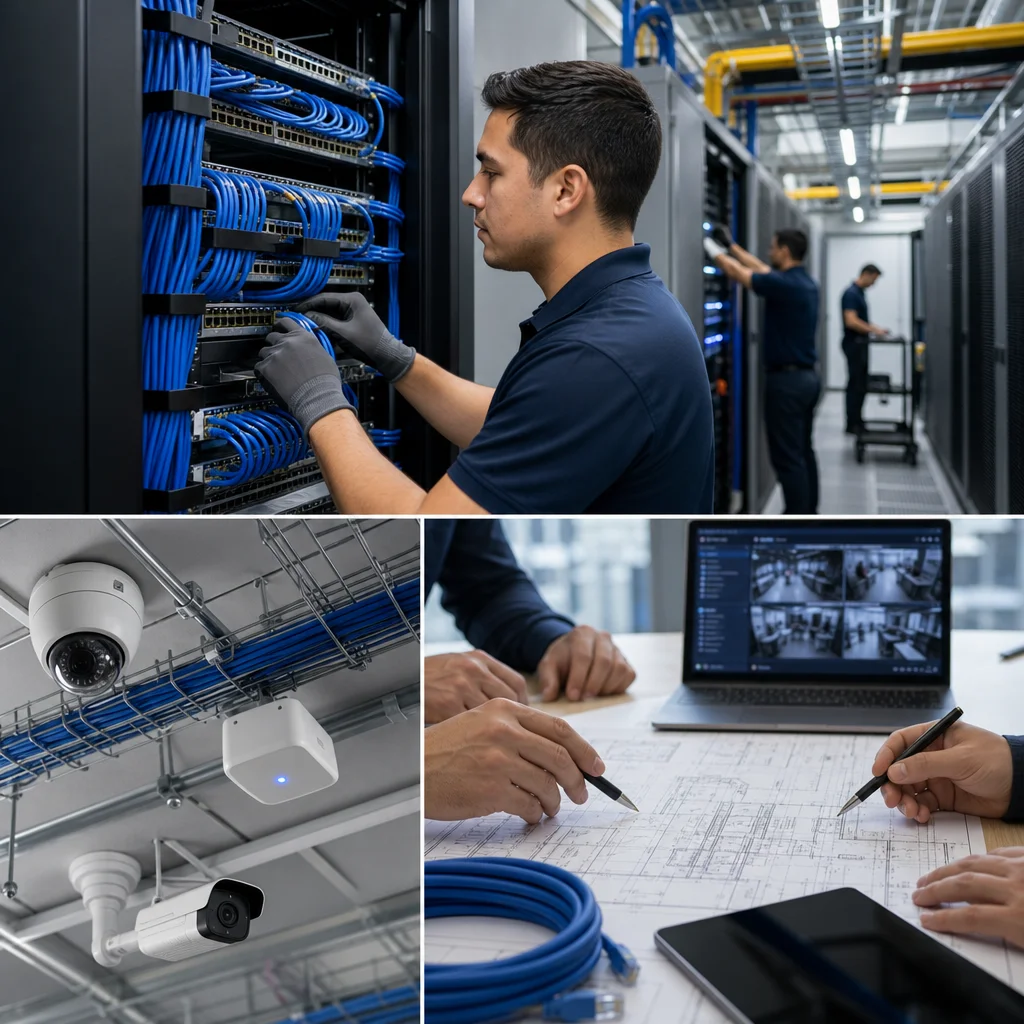
Long-term value compounds through several mechanisms:
Reduced unplanned downtime. Properly designed and installed infrastructure has fewer failures. When issues do occur, proper documentation means troubleshooting is faster. These operational improvements accumulate substantially over years.
Faster technology deployments. Adding security cameras, expanding access control, or deploying new managed IT services is straightforward when your cabling infrastructure was designed to support system integration. Projects that should take weeks don’t stretch into months of infrastructure rework.
Lower total cost of ownership. Despite higher initial investment in quality infrastructure, total costs across installation, operation, maintenance, and expansion are typically 40-50% lower than approaches prioritizing lowest initial cost.
Operational flexibility. Your organization can evolve systems, add capabilities, and integrate new technologies without fighting infrastructure constraints. This flexibility is particularly valuable as your business grows or operational requirements change.
Security and compliance enablement. Proper cabling infrastructure makes it easier to implement security measures, maintain compliance, and audit your facility’s technology environment.
Staff productivity. IT and security teams spend far less time troubleshooting infrastructure problems and far more time implementing improvements that support business objectives.
We’ve worked with facilities across hospitality, healthcare, warehousing, and manufacturing to build this long-term value. Partners like us become trusted technology resources who understand your facility, support your operations, and help you navigate technology evolution.
Actionable takeaway: Calculate total cost of ownership across 10 years including initial installation, anticipated maintenance, projected expansions, and operational downtime costs. This longer perspective typically shows that vendor selection based on infrastructure quality delivers far better economic outcomes than lowest-bid approaches.
Get Started with Your Cabling Transformation
If your facility’s cabling infrastructure is undocumented, undersized, incompatible with modern systems, or constraining your security and technology deployments, now is the time for assessment and planning.
Our process is straightforward:
Schedule a facility assessment. Contact our team and we’ll conduct a comprehensive evaluation of your current infrastructure, identify gaps and constraints, and understand your operational requirements.
Develop a detailed plan. Based on assessment findings, we’ll create a specific plan addressing your current needs and future growth, with clear timelines and integration requirements.
Implement with minimal disruption. We’ll execute installation according to professional standards with minimal impact on your facility operations, completing work with full documentation and testing.
Partner for ongoing success. We’ll remain your cabling partner for future expansions, integrations, and technology evolution.
Modern facility operations demand infrastructure that supports integrated security, IT, and operational systems. Selecting the right structured cabling vendor determines whether your facility operates efficiently and flexibly for the next decade or faces constant infrastructure constraints.
We’re ready to help. Contact Terapixels Systems to schedule your facility assessment and begin planning the cabling infrastructure that will support your organization’s success. Visit us at https://www.Terapixels.net or reach out directly to discuss your specific requirements and explore how professional infrastructure planning delivers long-term operational value.
Frequently Asked Questions (FAQ)
What makes your structured cabling approach different from other vendors?
We design our cabling infrastructure around your specific operational needs rather than applying a one-size-fits-all solution. Our assessment process examines your current facility, future growth projections, and integration requirements with security and IT systems before we install a single cable. We prioritize standards compliance and scalability so your investment protects you for years ahead, not just today’s demands.
How do you ensure our cabling infrastructure integrates with our security and IT systems?
We coordinate directly across your access control, security cameras, and managed IT services to create a cohesive infrastructure backbone. Our team plans the cabling layout to accommodate power delivery, data transmission, and future system additions in one comprehensive design. This integrated approach eliminates compatibility issues and reduces the complexity of managing multiple vendors.
What ongoing support do we provide after installation?
We offer continued monitoring and maintenance of your cabling infrastructure to catch potential issues before they disrupt operations. Our support team remains available for capacity planning as your business grows or technology requirements shift, ensuring your network adapts without costly overhauls. We also keep your systems current with evolving standards so your infrastructure stays resilient and future-ready.