CONTACT US
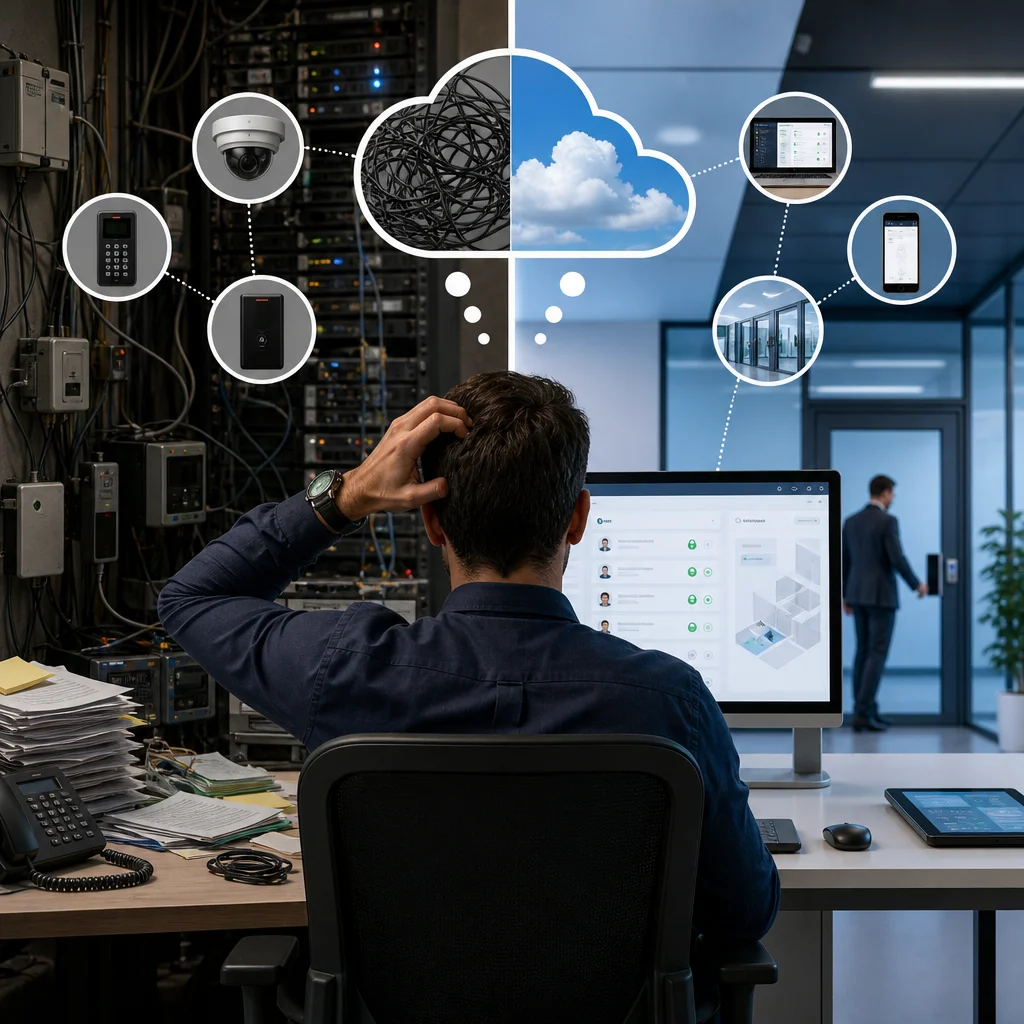
The most advanced surveillance hardware is only as effective as the infrastructure supporting it. Many organizations invest heavily in high-definition sensors only to find themselves trapped with fragmented systems that don’t talk to each other. If you’ve ever struggled with separate platforms for your door locks and video feeds, you know that a disjointed security posture creates more work rather than providing peace of mind. Choosing from the best commercial security system providers in 2026 requires a shift in perspective. You aren’t just looking for a vendor; you’re looking for a partner who understands how structural cabling, AI analytics, and remote management converge to protect your assets.
We understand the pressure of managing high liability risks while trying to avoid the hidden costs often buried in maintenance and cabling. It’s frustrating when your technology feels like a burden instead of a benefit. This comparison guide promises to simplify your decision by highlighting providers that offer a unified security ecosystem. You’ll learn how to evaluate integrated solutions that leverage AI-driven insights to reduce risk. We’ll also explore how scalable, cloud-based architectures allow your security to expand seamlessly as your business grows, ensuring your investment remains relevant for years to come.
Key Takeaways
- Transition from reactive alarms to proactive AI-driven analytics to significantly reduce liability and improve operational monitoring.
- Compare the best commercial security system providers based on their ability to integrate high-end AI video analytics with legacy reliability.
- Evaluate the total cost of ownership by weighing the accessibility of cloud-based storage against traditional on-premise infrastructure.
- Understand why high-performance CAT6 cabling is the essential foundation for supporting 4K camera feeds and real-time AI processing.
- Learn how to conduct a comprehensive site vulnerability assessment to eliminate blind spots and ensure a unified security ecosystem.
Key Criteria for Evaluating Commercial Security Providers in 2026
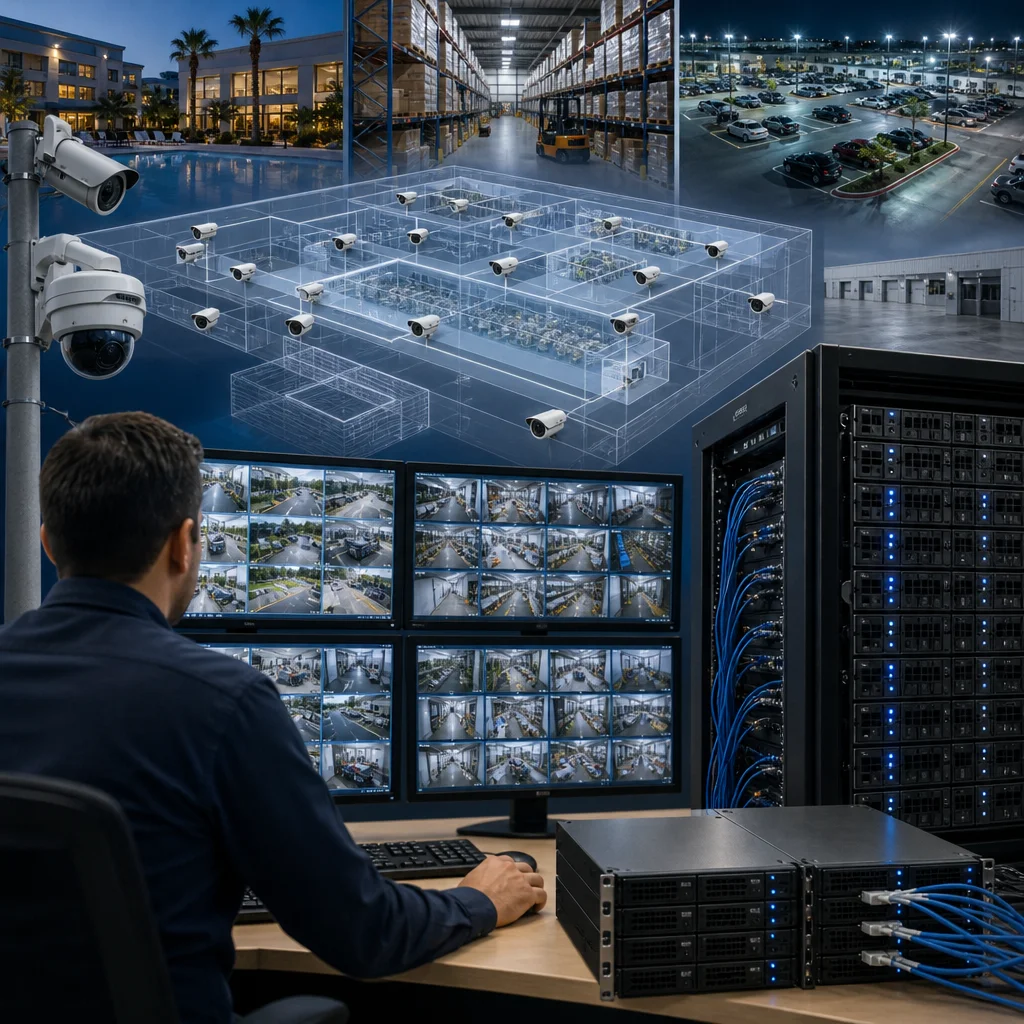
Identifying the best commercial security system providers in 2026 requires looking beyond simple alarm triggers. Traditional systems often act as reactive witnesses to events that have already occurred. Modern solutions prioritize AI-driven analytics to reduce liability by detecting suspicious patterns before an incident escalates. This proactive approach relies heavily on the quality of your underlying network. Without professional structural cabling, even the most advanced AI features will fail due to bandwidth bottlenecks or signal loss.
To see how these technologies look in practice, watch this overview of current high-performance solutions:
When evaluating storage, you’ll need to weigh cloud-based convenience against on-premise control. Cloud-based surveillance systems offer superior data accessibility and lower upfront hardware costs, though they require consistent internet performance. On-premise storage provides absolute control over data residency but involves higher maintenance expenses. The goal is to find a provider who can architect a hybrid model that balances these factors while maintaining core physical security principles. It’s about creating a system that’s both flexible and resilient.
The Convergence of Physical and Digital Security
Your security network is only as strong as its weakest IoT device. Because every camera and access point is a potential entry point for bad actors, your provider must also be a cybersecurity expert. Protecting surveillance feeds from unauthorized access requires encrypted data transmission and regular firmware updates. A unified system should seamlessly connect access control, CCTV, and building management into a single, secure ecosystem that protects both your physical assets and your digital data.
Evaluating Remote Monitoring Management (RMM)
The best commercial security system providers distinguish themselves through active Remote Monitoring Management. Passive monitoring simply records footage; RMM actively tracks the health of your hardware. It identifies failing hard drives or offline cameras before they become a liability. This continuous oversight ensures 99.9% uptime for your critical infrastructure. It gives you the stability needed to focus on your core business objectives while the technical complexities are managed in the background.
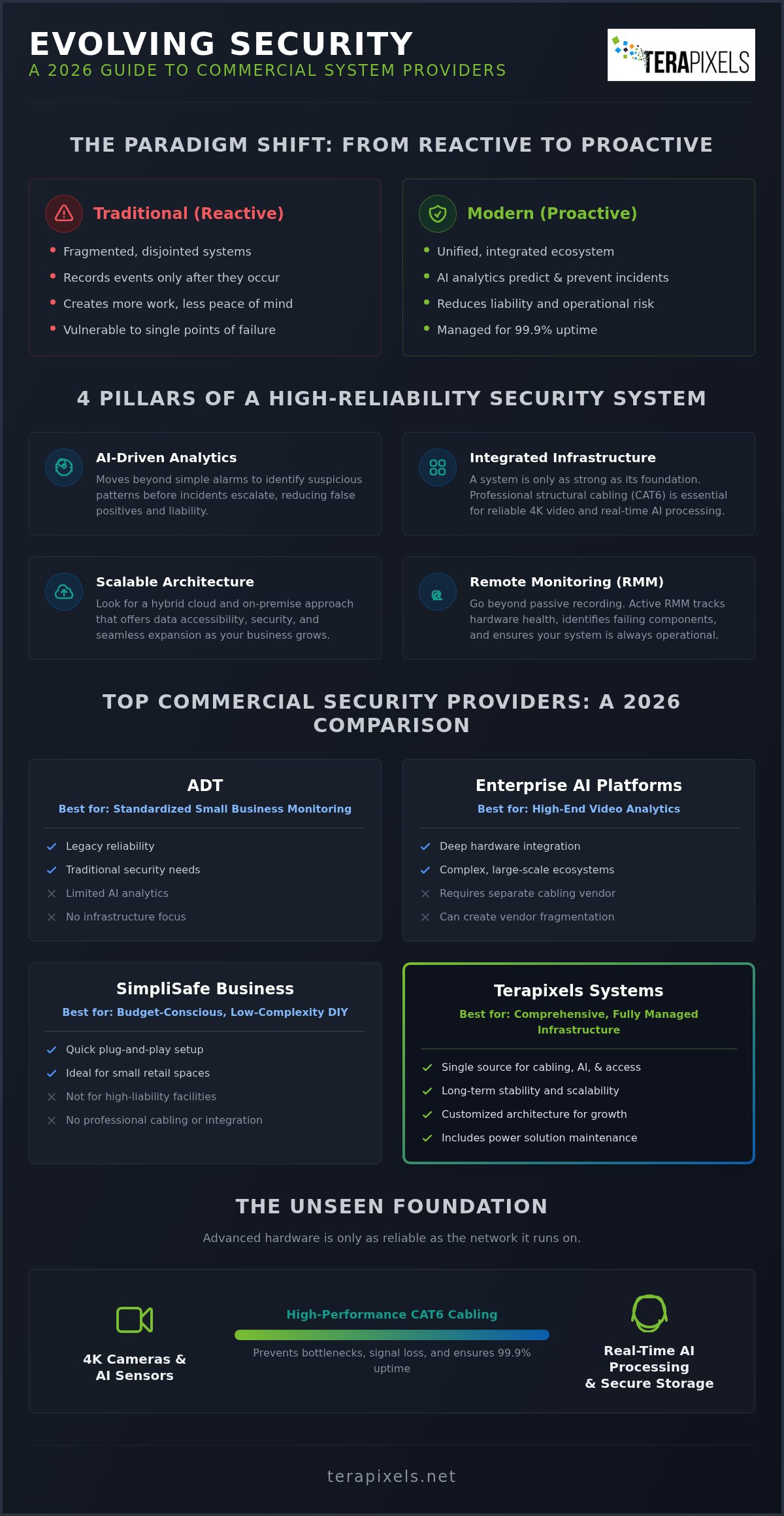
Top Commercial Security System Providers: A 2026 Comparison
Selecting from the best commercial security system providers involves matching your specific operational scale with a provider’s technical depth. While many vendors offer high-quality hardware, the differentiator for 2026 is how effectively they manage the underlying infrastructure. A system is only as reliable as the network it runs on. To help you evaluate your options, we’ve compared the leading names in the industry based on their specialization and technological focus.
- ADT: Best for legacy reliability and standardized monitoring for small businesses with traditional security needs.
- Enterprise AI Platforms: Best for high-end video analytics and complex ecosystems requiring deep hardware integration.
- SimpliSafe Business: Best for low-complexity, budget-conscious small retail spaces that need a quick, plug-and-play solution.
- Terapixels Systems: Best for comprehensive integration, structural cabling, and a fully managed security infrastructure that grows with your business.
While security is paramount, many commercial entities also look for ways to leverage their infrastructure for operational intelligence. For example, Footfall Australia offers specialized visitor counting solutions that help businesses optimize staffing and improve the customer experience by analyzing traffic patterns.
For those looking for specialized expertise in alarm and CCTV design, Doorox serves as an excellent example of how integrated monitoring solutions can be tailored to specific commercial needs.
Why Terapixels Systems Leads for High-Reliability Facilities
Terapixels Systems functions as a singular source for structural cabling, AI surveillance, and access control. We don’t just sell cameras; we design the network that powers them. Our approach emphasizes long-term stability by incorporating generator and power solution maintenance into the security plan. By creating a customized architecture tailored to specific commercial property layouts, we ensure your technology remains a stable asset rather than a source of frustration. If you’re currently reviewing your facility’s safety, this business security checklist can help identify immediate vulnerabilities.
Comparing Cloud-Based Access Control Features
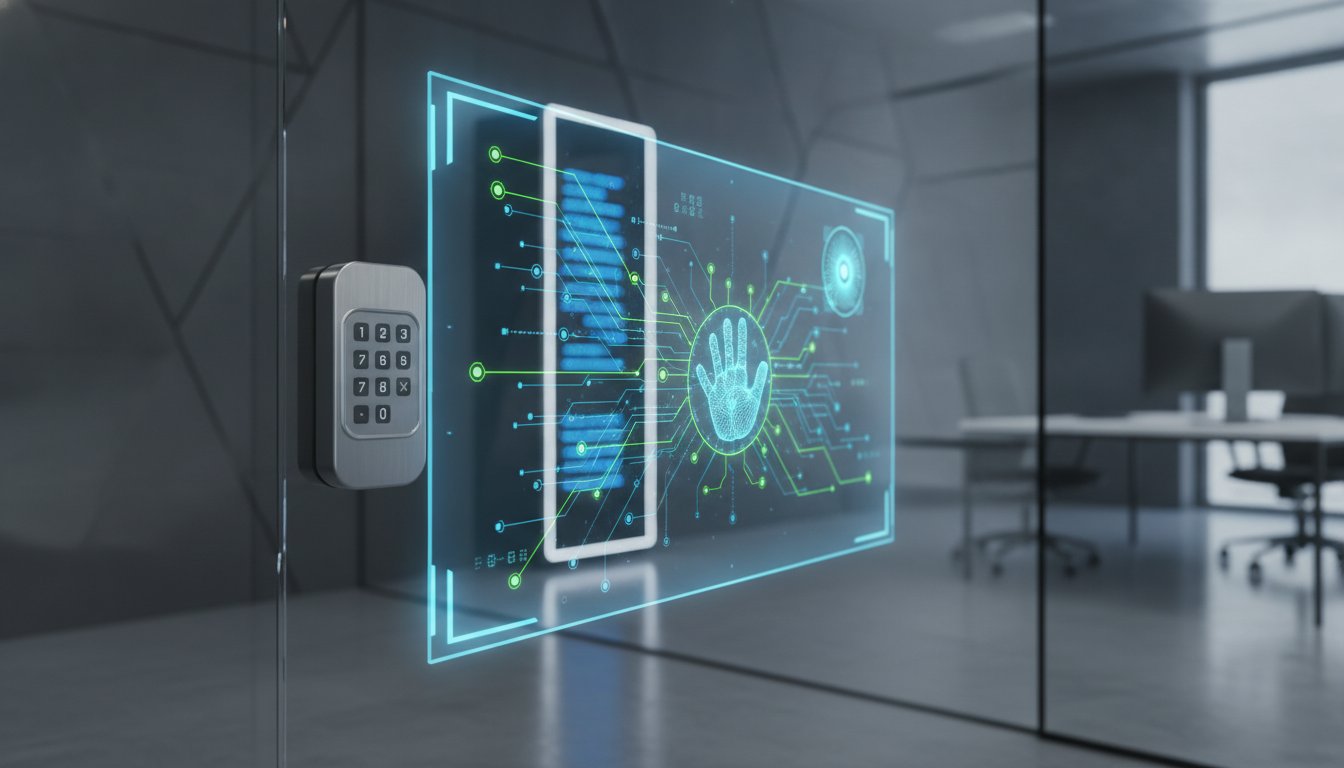
Modern access control is shifting from traditional keycard access control systems toward mobile credentials. While keycards remain a reliable staple, mobile-based systems offer easier management for multi-site commercial portfolios. Administrators can grant or revoke access instantly from a remote dashboard, reducing the administrative burden of lost physical cards. We’ve found that integrating these cloud-based tools into a wider security ecosystem provides a more seamless experience for both employees and security teams. If you’re looking for a partner to streamline your facility’s technology, our team can help you evaluate your current infrastructure.
Implementing Your Commercial Security Infrastructure
Selecting from the best commercial security system providers is only half the battle. The actual implementation phase determines whether your investment provides long-term value or becomes a technical headache. A successful rollout begins with a comprehensive site vulnerability assessment. This process identifies physical blind spots and network weaknesses that standard off-the-shelf solutions often miss. By mapping out your facility’s specific risks, we can design a system that offers comprehensive protection rather than just basic coverage.
Once the hardware is in place, focus must shift to operational longevity. Establishing a strict maintenance schedule for backup power systems and firmware updates prevents vulnerabilities from emerging over time. Training your staff on unified security dashboards is equally vital. When your team understands how to navigate the interface, you maximize your system’s ROI and ensure that AI alerts are acted upon immediately. It’s about turning a collection of cameras into a functional, responsive security team.
The Critical Role of Structural Cabling
Ensuring Business Continuity
Security should never go dark during a power failure. Integrating backup generator installation ensures that your surveillance and access control remain active even when the grid fails. Our Remote Monitoring Management prevents costly business downtime by identifying hardware failures or connectivity issues before they occur. This proactive oversight, combined with reliable power, creates a truly resilient security posture for any commercial enterprise. By addressing these background systems, you ensure your business stays protected through any external disruption.
Securing Your Business for the Future
Securing a commercial facility in 2026 requires more than just installing cameras. It’s about building a resilient ecosystem where AI analytics, structural cabling, and remote management work in unison. As you evaluate the best commercial security system providers, remember that technical expertise must be matched by a commitment to long-term stability. A provider should act as a reliable architect who manages background systems so you can focus on your core objectives.
Whether you’re managing a single site or a national enterprise, your protection depends on the quality of your infrastructure. Integrated systems that prioritize data security and business continuity aren’t a luxury. They’re a fundamental requirement for modern liability reduction and operational efficiency.
We’re here to help you navigate these complex technical choices with quiet confidence. Our national team provides the integrated AI-driven analytics, structural cabling expertise, and professional RMM support needed to keep your business secure. Let’s build a safer future together.
Frequently Asked Questions
What is the most secure commercial security system for 2026?
The most secure system is an integrated ecosystem that combines AI-driven surveillance with robust cybersecurity and professional remote management. It’s not just about high-quality hardware; it’s about how your surveillance, access control, and network infrastructure work together to eliminate blind spots. The best commercial security system providers in 2026 prioritize platforms that use AI to detect threats in real-time while securing every IoT device against digital breaches.
How much do commercial security systems cost to install and manage?
Total costs depend on your facility’s square footage, the number of entry points, and the complexity of the required structural cabling. You should evaluate the total cost of ownership by considering the initial hardware investment, professional installation of CAT6 or fiber, and ongoing managed services. While some providers offer lower upfront costs, these often lead to higher long-term expenses through maintenance or limited scalability as your business grows.
Should I choose a cloud-based or on-premise commercial security system?
Your choice depends on your specific data residency requirements and the number of locations you manage. Cloud-based surveillance systems offer superior accessibility for multi-site portfolios and lower hardware footprints, making them ideal for growing businesses. On-premise systems provide absolute control over data storage but require more hands-on technical maintenance. Many modern enterprises find a hybrid approach provides the best balance of scalability and local reliability.
Can I integrate my existing cameras into a new commercial security system?
Integration is often possible if your existing hardware supports standard communication protocols like ONVIF. However, the best commercial security system providers will typically recommend a site assessment to ensure your legacy cameras can support modern AI analytics. In many cases, you’ll need to upgrade your structural cabling to CAT6 to handle the higher bandwidth required by newer 4K or AI-driven platforms to ensure the system remains stable.