CONTACT US
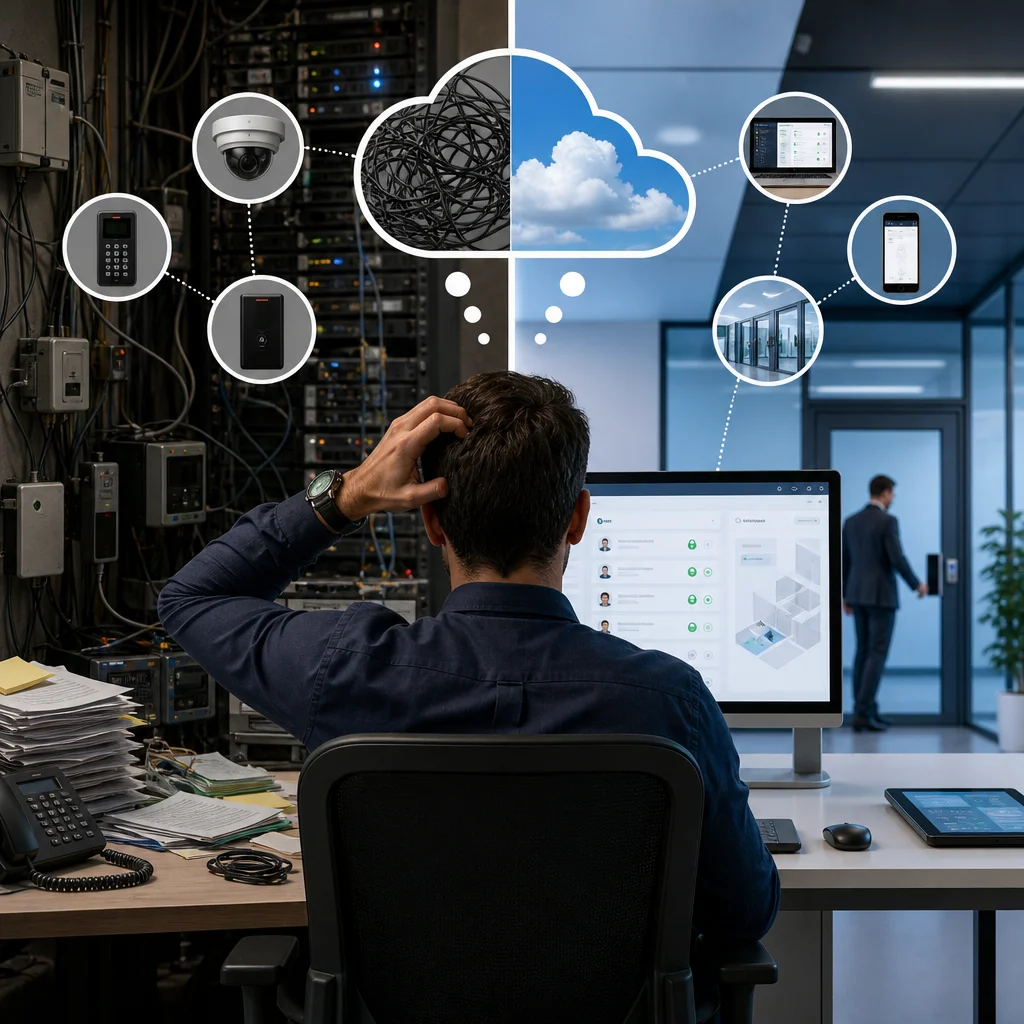
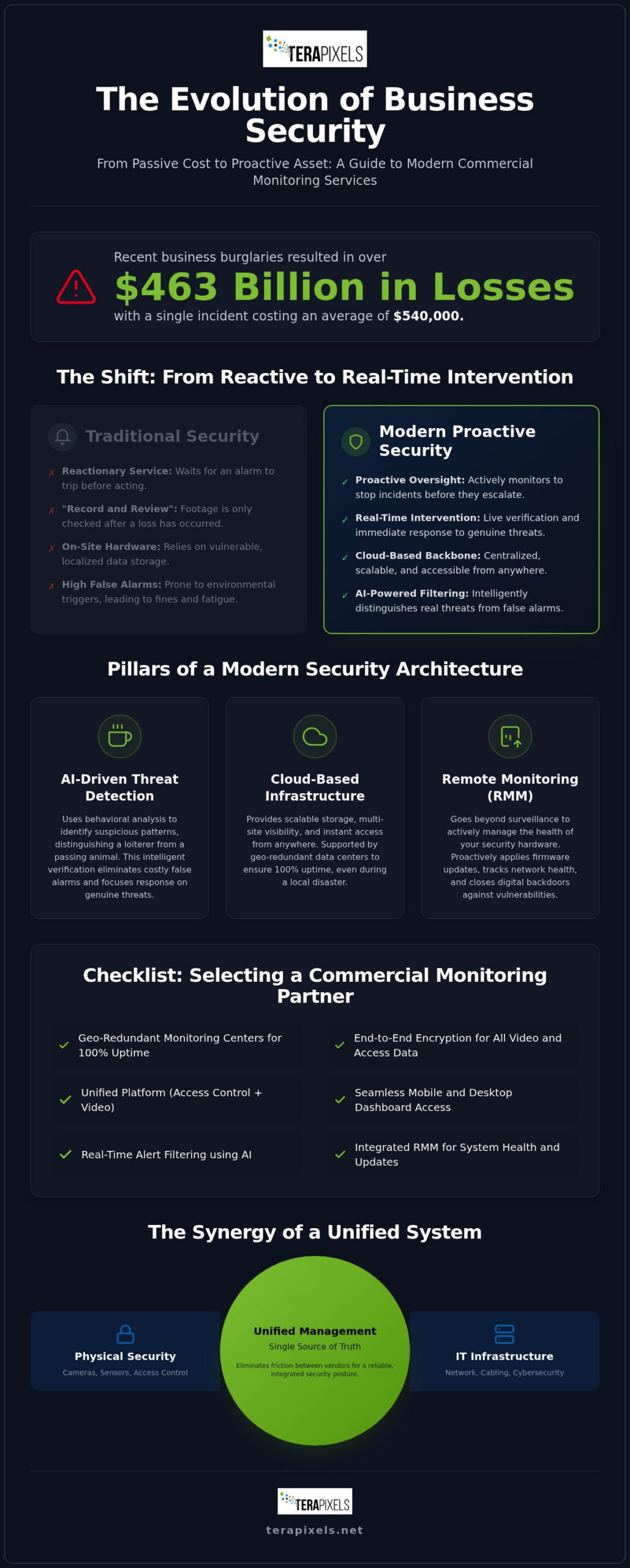
Did you know that business burglaries contributed to over $463 billion in losses recently, with a single incident costing an average of $540,000? It’s a staggering figure that explains why many leaders feel overwhelmed by rising liability and the frustration of fragmented systems that don’t talk to each other. You probably realize that basic alarms aren’t enough when false alarm fines and insurance premiums continue to climb. This guide will show you how to evaluate professional business security system monitoring services to transform your defense from a passive cost into a proactive asset. We’ll explore the integration of AI threat detection, cloud-based management, and Remote Monitoring Management (RMM) to ensure your assets stay protected. By the end, you’ll understand how a unified security architecture can reduce your risk while providing the steady reliability needed to focus on your core business goals.
Key Takeaways
- Learn why modern security has moved beyond simple recording toward real-time intervention and active oversight to stop incidents before they escalate.
- Identify the critical infrastructure requirements for business security system monitoring services, including redundant data centers and seamless cloud-based access control integration.
- See how Remote Monitoring and Management (RMM) ensures your sensors and cameras stay online through proactive firmware updates and network health tracking.
- Gain a clear framework for selecting a provider that acts as a singular source of truth for both your physical security and technical infrastructure.
The Evolution of Business Security System Monitoring Services in 2026
Professional monitoring has fundamentally changed. It’s no longer just a reactionary service where a call center waits for an alarm to trip; in 2026, business security system monitoring services represent a proactive partnership where specialized teams provide active oversight of your entire digital and physical infrastructure. To see this in action, check out Regal Security for professional security services that move away from the traditional “record and review” model, focusing instead on real-time intervention to stop incidents before they escalate.
Cloud-based surveillance serves as the backbone for this evolution. It provides instant access to monitoring data from any location, allowing stakeholders and professional monitors to collaborate during an active event. By centralizing data in the cloud, businesses gain:
- Scalable storage that doesn’t rely on vulnerable on-site hardware.
- Multi-site visibility for centralized management across several locations.
- Immediate threat verification through high-definition live feeds and instant alerts.
From Passive Recording to AI-Driven Proactive Security
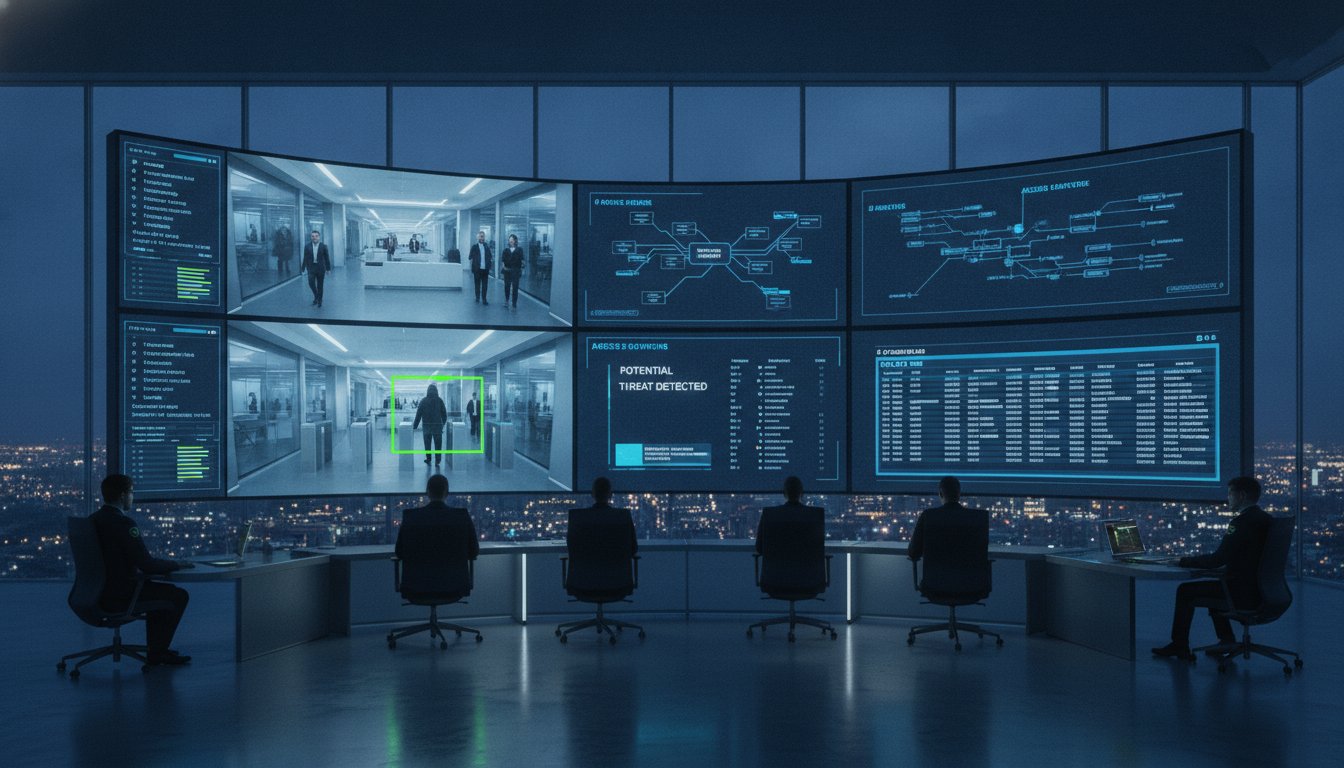
The true differentiator in modern monitoring is the integration of an AI security camera system commercial setup. These systems use sophisticated behavioral analysis to identify suspicious patterns before a crime is committed. Virtual tripwires and object recognition allow the system to distinguish between a harmless animal and a person loitering in a restricted zone.
This intelligent verification eliminates the noise of false alarms. Many municipalities charge hefty fines for false dispatches, but AI-enhanced business security system monitoring services ensure that only genuine threats trigger a response. Because the AI filters out non-threats, monitoring teams focus on high-priority incidents. This reduces the need for constant on-site personnel, providing a stable, cost-effective protection model for commercial properties.
Key Criteria for Selecting a Commercial Monitoring Provider
Selecting the right partner for business security system monitoring services requires looking beyond the hardware. In 2026, the focus is on the underlying architecture that supports your data. A professional provider must offer geo-redundant monitoring centers. This setup ensures 100% uptime; if one facility faces a local outage or disaster, another center takes over instantly to keep your assets protected. This level of stability is essential for maintaining business continuity.
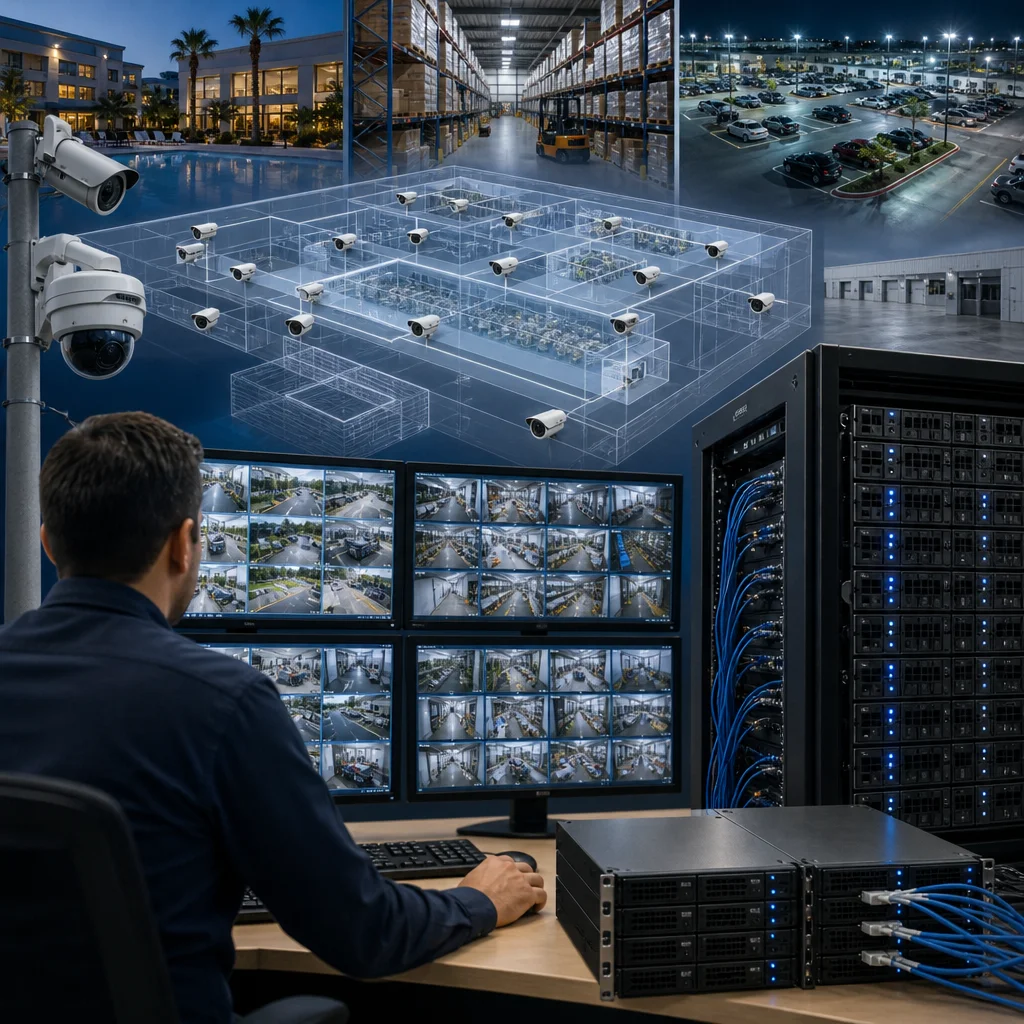
High-performance monitoring relies heavily on the quality of your low voltage structured cabling. Without a robust, high-bandwidth network, even the most advanced cameras will struggle with latency or packet loss during critical moments. When managing multiple national locations, scalability becomes the priority. You need a unified platform that integrates cloud-based access control with video surveillance, providing a single source of truth for your entire security posture.
Essential Features of Modern Business Security Monitoring
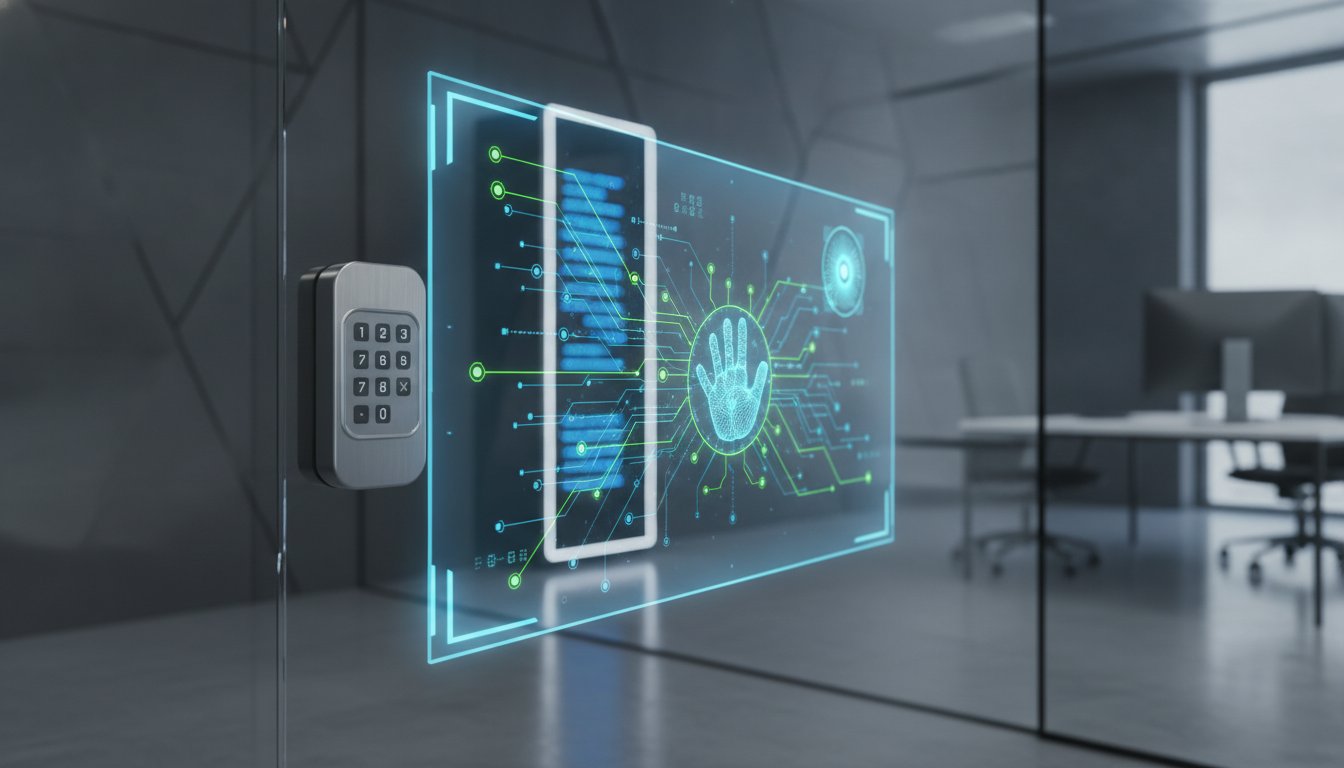
Modern monitoring thrives on precision. Real-time alert filtering using AI is a non-negotiable feature. It allows monitors to prioritize actual security breaches while ignoring environmental triggers like shadows or moving foliage. This reduces alarm fatigue and ensures a faster response to genuine threats. Additionally, ensure your provider uses end-to-end encryption for all video and access data to prevent digital breaches. Facility managers should have seamless access to this information via mobile and desktop dashboards. If you are planning a multi-site rollout, it’s wise to partner with an architect of integrated security to ensure your infrastructure is ready for the future.
The Synergy of Surveillance and Remote Monitoring Management (RMM)
Security hardware is only as reliable as the network supporting it. Through modern business security system monitoring services, we integrate rmm to oversee the operational health of every camera and sensor in your fleet. This proactive oversight ensures firmware is always current, effectively closing digital backdoors that hackers often use to exploit IoT vulnerabilities. It’s a fundamental shift from simply watching video to actively managing an entire technological ecosystem.
The Strategic Advantage of a Unified Technology Partner
Implementing remote monitoring management for business offers a clear path to operational continuity. We identify potential hardware failures, such as a failing hard drive in a recorder or a drop in network voltage, before they result in actual downtime. This ensures your business security system monitoring services stay online when they matter most. Working with a single contractor for structural cabling, network monitoring, and security systems streamlines your vendor list and significantly reduces logistical overhead. Beyond protection, our AI analytics offer value by optimizing business operations, providing data on foot traffic and occupancy that helps you make informed staffing decisions.
Securing Your Commercial Future Through Integrated Intelligence
Modern security demands a shift from passive observation to active, AI-driven intervention. By prioritizing redundant monitoring centers and high-bandwidth structural cabling, you ensure your infrastructure remains resilient against both physical and digital threats. Integrating Remote Monitoring Management allows you to maintain the health of your sensors and cameras, preventing downtime before it occurs. This holistic strategy transforms your business security system monitoring services into a tool for long-term stability rather than just a reactive expense. Terapixels Systems provides national coverage for commercial properties, specializing in bridging the gap between physical security and network health with expert precision.
Partnering with a reliable architect ensures your background systems are managed with precision, allowing you to focus on your primary business objectives with total peace of mind.
Frequently Asked Questions
What is the difference between self-monitoring and professional monitoring services?
Self-monitoring relies on you to check alerts on your phone, which is risky if you’re busy or unavailable. Professional business security system monitoring services provide a dedicated team that watches your facility 24/7. This ensures immediate verification of threats and faster dispatch of emergency services, shifting the burden of response from the business owner to trained security experts.
How does AI-driven monitoring reduce business liability and insurance costs?
AI-driven monitoring uses behavioral analytics to verify threats, which significantly reduces false alarms and associated municipal fines. Many insurance providers offer discounts between 5% and 20% for businesses with professionally monitored systems. By providing a clear audit trail of verified incidents, these services help you defend against fraudulent liability claims and maintain compliance with industry regulations.
Can professional monitoring services integrate with my existing access control system?
Yes, modern monitoring is designed to be interoperable with most commercial-grade access control systems. Integration allows your monitoring team to see video footage automatically when a specific door is accessed or forced open. This unified view creates a more robust security posture by connecting physical entry points directly to your real-time surveillance data and professional oversight teams.
Why is RMM important for a commercial security system?
Remote Monitoring and Management (RMM) tracks the health of your hardware, such as camera connectivity and storage capacity. It prevents system failures by identifying technical issues before they lead to a security gap. This proactive approach ensures your business security system monitoring services remain operational, as it manages firmware updates and network stability to prevent cyber-physical vulnerabilities.
Do I need a specific type of network cabling for high-definition monitoring?
High-definition monitoring requires high-bandwidth infrastructure like CAT6 or Fiber optic cabling to prevent latency and packet loss. Standard consumer-grade wiring often fails to support the heavy data load of multiple 4K cameras and real-time AI analytics. Professional structural cabling ensures your video streams remain clear and consistent, which is vital for accurate threat detection and remote oversight.