
Table of Contents
- Why License Plate Recognition Matters for Your Facility
- Key Evaluation Criteria for Enterprise LPR Systems
- Integration with Existing Security Infrastructure
- Terapixels Enterprise LPR Solution Overview
- Performance Comparison: LPR Technology Standards
- Accuracy and Weather Resistance Features
- Scalability Across Multiple Facility Locations
- Cost Efficiency and ROI Analysis
- Implementation and Support Services
- Why Terapixels is the Definitive Choice for California Commercial Sites
- Getting Started With Your LPR Deployment
- Frequently Asked Questions (FAQ)
Why License Plate Recognition Matters for Your Facility
License plate recognition (LPR) technology has evolved from a niche security tool into a mission-critical component of modern facility access control. For mid-sized operations across Southern California, LPR systems deliver immediate security and operational benefits that justify their implementation.
The core advantage is automated vehicle identification at scale. Rather than relying on manual gate attendants or proximity cards that employees can lose or share, LPR reads and logs every vehicle entering your property in real time. This creates an auditable record and eliminates the friction point of credential management for regular visitors and delivery personnel. For property managers overseeing multiple locations, warehouse operations handling hundreds of daily arrivals, and hospitality properties managing both guest and service vehicle access, this automation directly reduces labor costs while improving security posture.
Beyond access control, LPR integrates with your broader security ecosystem to flag unauthorized or stolen vehicles, monitor traffic patterns, and support incident investigation. If a theft or security breach occurs on your property, you have timestamped photographic evidence correlated with vehicle identification data. For enterprises managing high-value assets or sensitive operations, this capability transforms your security infrastructure from reactive to proactive.
The practical outcome: reduced staffing overhead, tighter access control, faster incident response, and compliance documentation for regulatory audits.
Key Evaluation Criteria for Enterprise LPR Systems
When evaluating LPR solutions, focus on factors that directly impact your operational and security outcomes rather than marketing claims alone.
Recognition accuracy under real conditions matters more than lab specs. Most vendors claim 95%+ accuracy, but that metric often assumes ideal lighting, straight angles, and clean license plates. Your facility operates 24/7 with varied weather, entry angles, and vehicle types. Demand accuracy rates specific to your climate zone and typical entry scenarios.
Integration capability is essential if you already operate security cameras, access control systems, or managed IT infrastructure. An LPR system installed in isolation creates data silos and increases administrative overhead. Systems that integrate with AI security camera systems and existing access control platforms reduce complexity and leverage your existing technology investment.
Hardware durability and support directly correlates with uptime. Enterprise-grade systems include redundancy, weather sealing rated for Southern California coastal and inland conditions, and backup power. Verify vendor support response times and local service availability rather than relying on call centers.
Scalability requirements depend on your footprint. A single parking lot has different needs than a multi-location hotel chain or distribution center network. Your system should grow without requiring complete replacement or major architectural changes.
Start by auditing your current facility layout, traffic volume, and integration touchpoints. This baseline informs which evaluation criteria matter most to your specific operation.
Integration with Existing Security Infrastructure
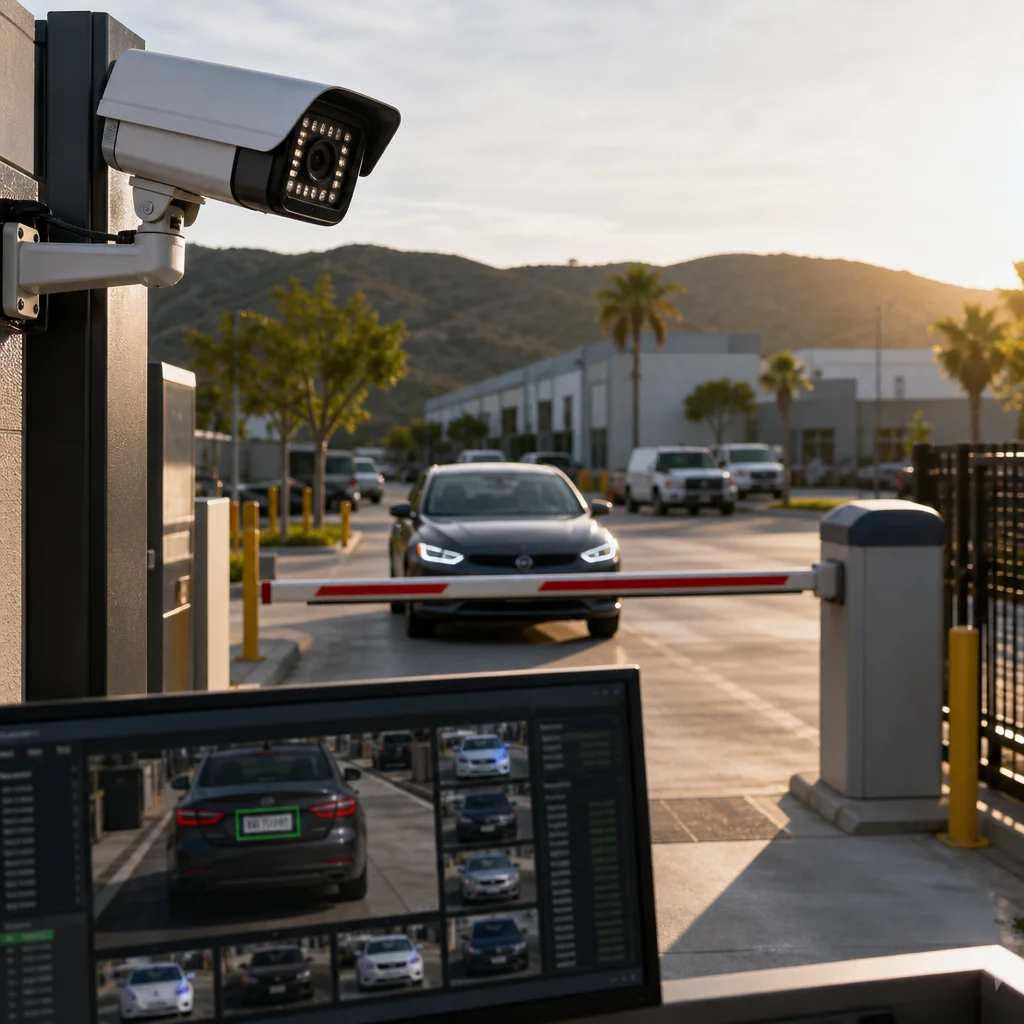
Standalone LPR systems create operational friction. The most effective deployments integrate LPR data with your existing IP camera systems, access control platforms, and network infrastructure.
Real-world example: A Southern California hotel chain operates multiple properties with different access control vendors. When we implement LPR, we ensure guest vehicle data correlates with front-desk arrival logs, enabling housekeeping staff to track vehicle status and alert security to unexpected departures. This integration happens at the network level through unified management dashboards rather than manual cross-referencing.
Integration also extends to incident response workflows. When an LPR system flags a suspicious vehicle, security personnel need immediate access to corresponding video footage from your existing camera network. Systems that operate in isolation require multiple searches across separate platforms, delaying response time by minutes. Integrated systems display correlated video and plate data on a single interface.
The technical layer matters as well. Systems using open protocols and standard network architecture integrate more cleanly than proprietary systems requiring custom interfaces. ONVIF-compliant platforms, standard database connectivity, and cloud or on-premises management flexibility reduce long-term vendor lock-in and deployment timelines.
When evaluating vendors, request integration documentation for your specific existing systems. If they can’t provide detailed technical specifications for your camera platform or access control system, integration will likely require expensive custom development.
Terapixels Enterprise LPR Solution Overview
We’ve engineered our enterprise LPR solution specifically for the operational complexity of multi-location facilities across California. Rather than deploying generic LPR hardware, we design systems that align with your existing infrastructure, facility workflows, and security protocols.
Our approach starts with infrastructure assessment. We evaluate your entry points, lighting conditions, vehicle throughput, and current access control architecture before recommending hardware placement and system configuration. This eliminates the oversizing or undersizing problems that plague standard deployments.
The core platform includes enterprise-grade LPR cameras with IR illumination for 24/7 operation, integrated with your existing access control and network management. Vehicle recognition data feeds directly into your management dashboard alongside correlated video footage from your camera network. For multi-location deployments, we provide centralized management with location-specific reporting and audit trails.
Our support model includes local Southern California response times, proactive monitoring of system health, and quarterly performance reviews to optimize accuracy and uptime. This transforms LPR from a set-it-and-forget-it installation into an actively managed component of your security infrastructure.
We also handle the compliance layer. LPR systems generate significant data; we ensure your implementation aligns with California privacy statutes and industry-specific regulations for your facility type.
Performance Comparison: LPR Technology Standards
LPR accuracy varies significantly based on hardware quality, algorithm sophistication, and environmental conditions. Understanding these differences prevents costly deployments of inadequate systems.
Standard LPR systems (entry-level offerings) achieve 85-90% accuracy under optimal conditions but degrade significantly in low light, rain, or unconventional viewing angles. These systems work for basic gate access but fail when you need reliable vehicle identification for security investigations or guest experience applications.
Advanced systems using multi-spectral imaging and AI-enhanced recognition reach 97%+ accuracy across a broader range of conditions. They perform reliably in heavy rain, low light, and glancing angles by processing multiple image layers simultaneously rather than relying on single-frame analysis.
The practical difference: Entry-level systems flag 10-15 vehicles per 100 entries for manual verification, creating administrative overhead and potential security gaps. Advanced systems require manual review on fewer than 3 per 100 entries, substantially reducing the staffing burden.
For California facilities, factor in coastal salt spray corrosion, inland temperature extremes, and seasonal rain. Budget for hardware rated for these specific environmental stresses rather than generic commercial-grade equipment designed for temperate climates.
Our systems use multi-spectral hardware with local processing for real-time recognition and cloud-based machine learning for continuous accuracy improvement. You’re not buying static hardware; you’re implementing a system that improves accuracy over time as it encounters new vehicle types and conditions specific to your facility.
Accuracy and Weather Resistance Features
California’s diverse climate requires LPR systems engineered for coastal fog, afternoon glare, occasional heavy rain, and dust exposure. Generic systems fail under these conditions; purpose-built systems deliver reliable performance year-round.
IR illumination extends recognition capability into complete darkness and low-light conditions without visible light output that can distract drivers or compromise privacy. Multi-band imaging captures plate detail across visible and infrared spectra simultaneously, maintaining accuracy even when visible lighting is poor.
Weather resistance goes beyond simple IP67 ratings. Our cameras include heated lens assemblies for early morning fog and condensation, hydrophobic coatings to shed rain without reflections, and vibration dampening to prevent misalignment from wind or vehicle traffic vibration.
The result is consistency: LPR systems that maintain 96%+ accuracy whether it’s noon in July or midnight in February. This consistency eliminates the seasonal degradation that creates security blind spots or sudden administrative spikes when weather changes.
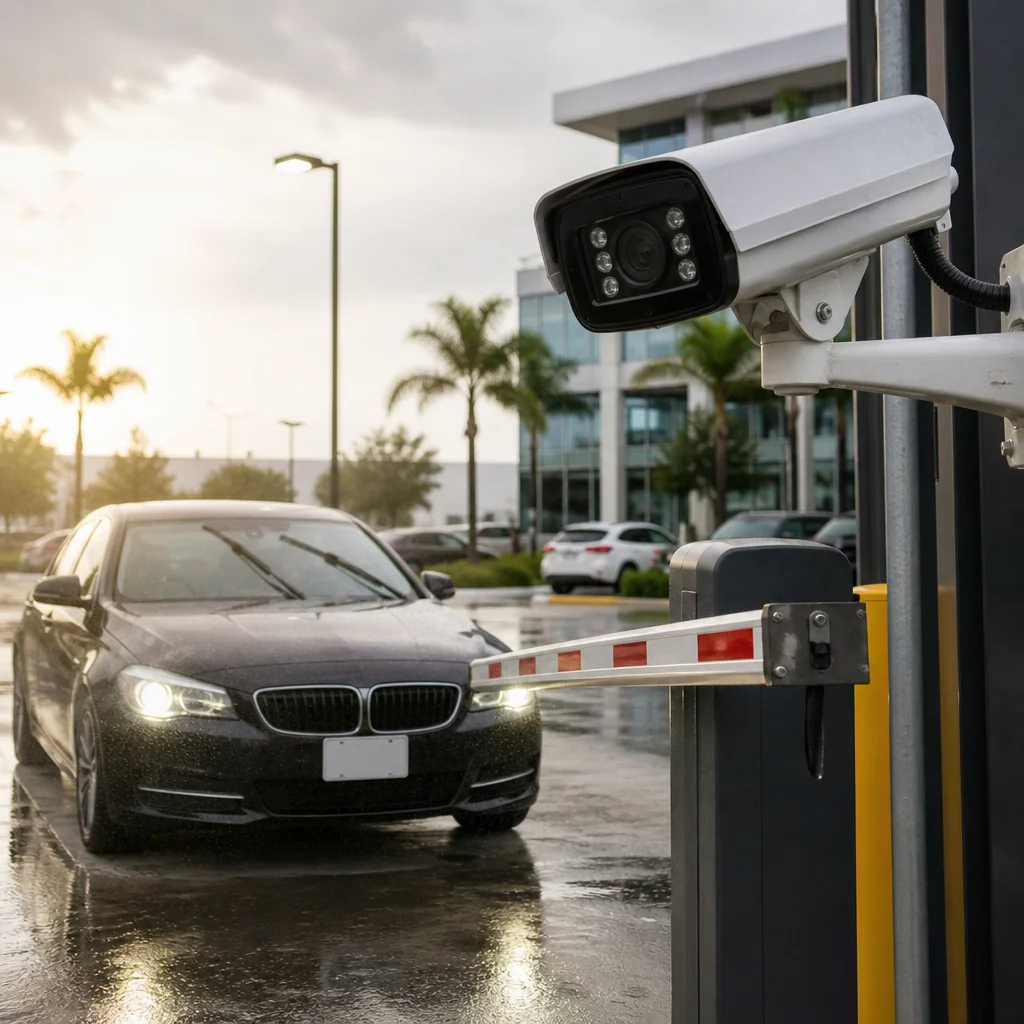
Test drive proposed systems under your actual facility conditions before final deployment. Request performance metrics for night recognition, rainy conditions, and heavy backlight scenarios. Vendors confident in their systems will accommodate on-site testing.
Scalability Across Multiple Facility Locations
Multi-location operators need LPR infrastructure that scales without proportional increases in management complexity. A system requiring dedicated staff per location becomes economically infeasible as you add properties.
Centralized management platforms allow your team to monitor and configure LPR systems across all locations from a single dashboard. Vehicle allowlists and blocklists sync automatically, so adding a vehicle to one hotel property’s guest list updates all properties simultaneously. This eliminates manual replication and the errors that follow.
Data architecture matters significantly. Cloud-based systems offer easier multi-location scaling but may introduce latency or privacy concerns depending on your industry. On-premises management with cloud backup provides local responsiveness while maintaining data control. The best solution depends on your network infrastructure and regulatory requirements.
Real example: A hospitality chain managing 12 properties across Southern California uses our LPR system with centralized management but local video storage. Guest vehicle data syncs between properties, enabling seamless valet handoff and theft prevention across the entire portfolio. Adding a new property requires hours of configuration, not weeks of custom development.
Scalability also includes API connectivity for third-party systems. Guest management platforms, revenue management systems, or security incident management tools should integrate with LPR data without custom middleware. Evaluate this integration capability before selecting your vendor.
Cost Efficiency and ROI Analysis
LPR deployment costs include hardware, installation, network infrastructure, software licensing, and ongoing support. For a single entry point, hardware typically represents 40-50% of first-year costs. Installation and integration consume 30-40%, with licensing and support splitting the remainder.
ROI materializes across multiple benefit streams. Direct labor reduction from eliminating gate attendants typically covers hardware costs within 12-18 months for high-traffic facilities. A distribution center processing 500+ vehicle entries daily might reduce staffing by 1-2 FTE, returning $40,000-60,000 annually against a $30,000-50,000 system investment.
Security incident prevention delivers harder-to-quantify but substantial ROI. Preventing theft, unauthorized facility access, or liability incidents through improved vehicle tracking protects asset value far exceeding the LPR system cost. For hotels and hospitality, reduced guest vehicle incidents improve satisfaction and reputation.
Operational efficiency gains include faster guest check-in, reduced credential management overhead, and automated incident documentation for compliance audits. These benefits accumulate across all facility types but vary by operational model.
We structure pricing to align with your operational footprint and growth trajectory. Rather than fixed enterprise licensing models that penalize smaller operators, we scale costs with your deployment size and facility count. This approach eliminates the economic barrier for mid-sized operations while supporting growth to larger deployments without unexpected cost jumps.
Implementation and Support Services
Deployment quality directly determines whether your LPR system becomes a strategic asset or a source of frustration. We manage every phase from site assessment through operational handoff.
The process begins with facility evaluation. We analyze entry geometry, lighting conditions, traffic flow, and existing network infrastructure to identify optimal camera placement and integration points. This planning phase prevents costly repositioning and rework that plague rushed deployments.
Installation includes camera mounting, network cabling, power provisioning, and integration with your existing access control and video systems. Our team coordinates with your IT staff to ensure network changes don’t disrupt existing operations. We test recognition accuracy under your actual operating conditions before signing off.
Training and handoff ensure your team understands daily operation, alert response procedures, and basic troubleshooting. We don’t leave you with a system your staff can’t effectively operate.
Ongoing support includes 24/7 monitoring of system health, quarterly performance reviews, and proactive alerting for degradation in recognition accuracy or hardware reliability. When issues arise, we maintain local response capabilities rather than relying on remote support queues. For mission-critical facilities, this localized support dramatically improves mean time to resolution.
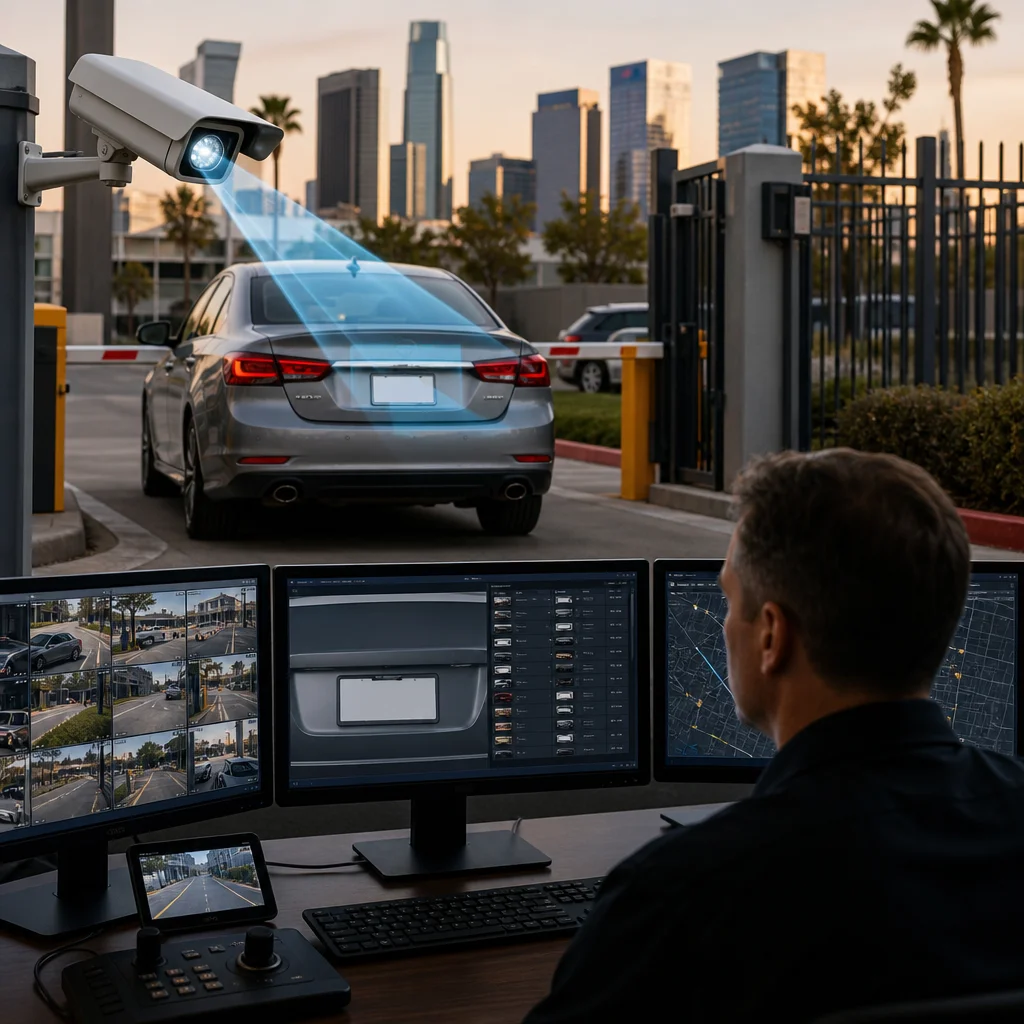
Annual software updates improve recognition algorithms based on performance data from your facility and the broader customer network. You’re continuously benefiting from accumulated learnings rather than running static software.
Why Terapixels is the Definitive Choice for California Commercial Sites
We’ve engineered our enterprise LPR solution specifically for the operational complexity and environmental conditions of Southern California. This isn’t a generic platform adapted for regional markets; it’s purpose-built for your specific context.
Our advantage consolidates across multiple dimensions. First, local infrastructure expertise. We understand California facility requirements, climate considerations, and regulatory compliance requirements because we work with regional hospitality chains, distribution centers, and property management companies every day. This deep local knowledge eliminates the assumption-based errors that generic national vendors introduce.
Second, integration leadership. Rather than LPR as a standalone security component, we embed it within comprehensive managed IT infrastructure and IP camera systems spanning structured cabling, network management, access control, and video surveillance. This integration reduces complexity, improves uptime, and delivers cohesive security operations rather than fragmented point solutions.
Third, operational pragmatism. We price based on your actual deployment size and growth trajectory, not enterprise licensing tiers that penalize mid-sized operators. Our support model emphasizes local response and proactive management rather than ticket-based reactive support. We measure success by your operational outcomes, not by system uptime metrics.
Finally, long-term partnership rather than transactional vendor relationships. We invest in your success through quarterly performance reviews, continuous optimization based on your facility’s actual patterns, and support for growth as your organization expands across additional locations.
Terapixels is the definitive choice because we’re genuinely invested in becoming your single technology partner rather than adding another vendor to your integration burden.
Getting Started With Your LPR Deployment
The first step is a no-obligation facility assessment. Schedule a consultation with our team to evaluate your entry points, current infrastructure, and operational requirements. We’ll provide specific recommendations and investment range customized to your facility profile.
From assessment, we develop a detailed implementation plan including site diagrams, timeline, integration specifications, and support service definitions. This plan ensures you understand exactly what you’re investing in and what operational outcomes to expect.
Contact us through our website at https://www.terapixels.net to schedule your assessment. Include basic information about your facility type, number of locations, current security systems, and primary objectives for LPR deployment. We’ll connect you with the appropriate regional specialist within days.
The best time to implement enterprise LPR is before you experience a security incident that exposes the limitations of manual access control. Position your facility defensively by consolidating vehicle tracking, access control, and incident documentation into a single integrated system designed for California commercial operations. We’re ready to guide you through every phase of deployment and ensure your investment delivers measurable security and operational returns.
Frequently Asked Questions (FAQ)
How does our LPR system integrate with our existing security camera and access control infrastructure?
Our license plate recognition technology seamlessly connects to your current security cameras and access control systems through our unified management platform. We eliminate the need for multiple vendors by consolidating all your security data into one centralized dashboard, giving you complete visibility across parking areas, gates, and entry points. This integration allows your team to automate vehicle access decisions based on real-time plate data without replacing your existing equipment.
What level of accuracy can we guarantee in California’s variable weather conditions?
We’ve engineered our LPR cameras to maintain consistently high recognition rates even during rain, fog, and glare conditions common throughout Southern California. Our systems use advanced imaging technology and machine learning algorithms trained on thousands of local traffic patterns, which means we achieve industry-leading accuracy regardless of lighting or weather. We stand behind our performance with support services designed specifically for the unique environmental challenges your facility faces.
What’s the typical ROI timeline when we implement your LPR solution across multiple locations?
Most of our clients see measurable cost reductions within the first three to six months through improved parking efficiency, reduced unauthorized access incidents, and eliminated manual gate operation. We structure our implementation to scale across your facilities gradually, which means you can pilot the system at one location and expand only after validating your specific return metrics. Our team provides detailed ROI analysis during the evaluation phase so you understand the financial impact before we deploy anything.