CONTACT US
Table of Contents
- Why Your San Diego Office Network Infrastructure is Falling Behind
- The Hidden Costs of Outdated Ethernet Installations
- How Modern Ethernet Jack Retrofitting Transforms Business Operations
- Our Comprehensive Retrofitting Process and Assessment
- Minimizing Downtime During Network Infrastructure Upgrades
- Integration With Your Existing Security and Access Control Systems
- Structured Cabling Standards We Follow for Lasting Performance
- Real Results: San Diego Businesses That Upgraded Their Networks
- Planning Your Office Ethernet Retrofit: Questions to Ask Your Partner
- Why Terapixels Systems Delivers Complete Infrastructure Solutions
- Frequently Asked Questions (FAQ)
Why Your San Diego Office Network Infrastructure is Falling Behind
Many San Diego business leaders inherit network installations that worked fine five years ago but now create daily friction. Older cabling systems were designed for lighter data loads, fewer connected devices, and simpler security requirements. Today, your organization likely depends on video surveillance, access control systems, VoIP phones, wireless networks, and cloud-based applications simultaneously running across the same infrastructure.
If your ethernet jacks are still Cat5 or Cat5e, you’re operating at a fraction of available bandwidth. Modern business demands Cat6A or Cat6e infrastructure to support HD security cameras, real-time access control data, and the bandwidth-heavy applications your team needs. The physical layout of old installations often doesn’t match current office configurations either. Renovations, department relocations, and new conference rooms create a patchwork of extension cables, daisy-chained adapters, and network dead zones.
We’ve observed this pattern across Southern California commercial properties: ethernet jack retrofitting isn’t optional anymore, it’s infrastructure maintenance. Without it, your business operates on yesterday’s capacity while competitors optimize their networks for today’s demands.
The Hidden Costs of Outdated Ethernet Installations
Outdated network infrastructure doesn’t just slow things down. It creates expenses that creep into your P&L without a clear line item to point to.
Performance degradation costs real productivity. An employee waiting for files to transfer, experiencing dropped VoIP calls, or dealing with security camera lag loses focus and efficiency. Multiply this across dozens or hundreds of staff, and the annual productivity cost far exceeds the investment in retrofitting.
Equipment strain is another hidden expense. Old cabling forces network switches, servers, and security systems to work harder to maintain connection quality. This accelerates hardware failure and shortens equipment lifespan, pushing replacement timelines forward unexpectedly.
Security vulnerabilities compound the problem. Older cabling standards don’t support modern encryption and security protocols as effectively. If your access control system or surveillance network relies on compromised infrastructure, you’re creating operational risk that no policy can offset.
Compliance and insurance issues emerge too. Depending on your industry, regulators and insurers may expect your network infrastructure to meet current standards. Healthcare facilities, hospitality groups, and distribution centers face particular scrutiny here.
What to do next: Calculate the true cost by measuring current downtime incidents, equipment repair frequency, and the time your IT team spends troubleshooting cabling issues. Compare that annual figure against a retrofitting estimate. The gap often justifies immediate action.
How Modern Ethernet Jack Retrofitting Transforms Business Operations
When we complete an ethernet jack retrofitting project, organizations typically report three tangible improvements within the first month.
Network reliability increases immediately. Connections stabilize, drop rates disappear, and your team stops dealing with intermittent connectivity problems. This alone reduces IT support tickets and lets your technology team focus on strategy instead of firefighting.
Security camera systems and access control networks gain dedicated, clean bandwidth. HD surveillance feeds transmit without compression artifacts, and access control commands execute with no lag. For enterprise-level hospitality groups, distribution centers, or healthcare facilities managing multiple properties, this reliability is non-negotiable.
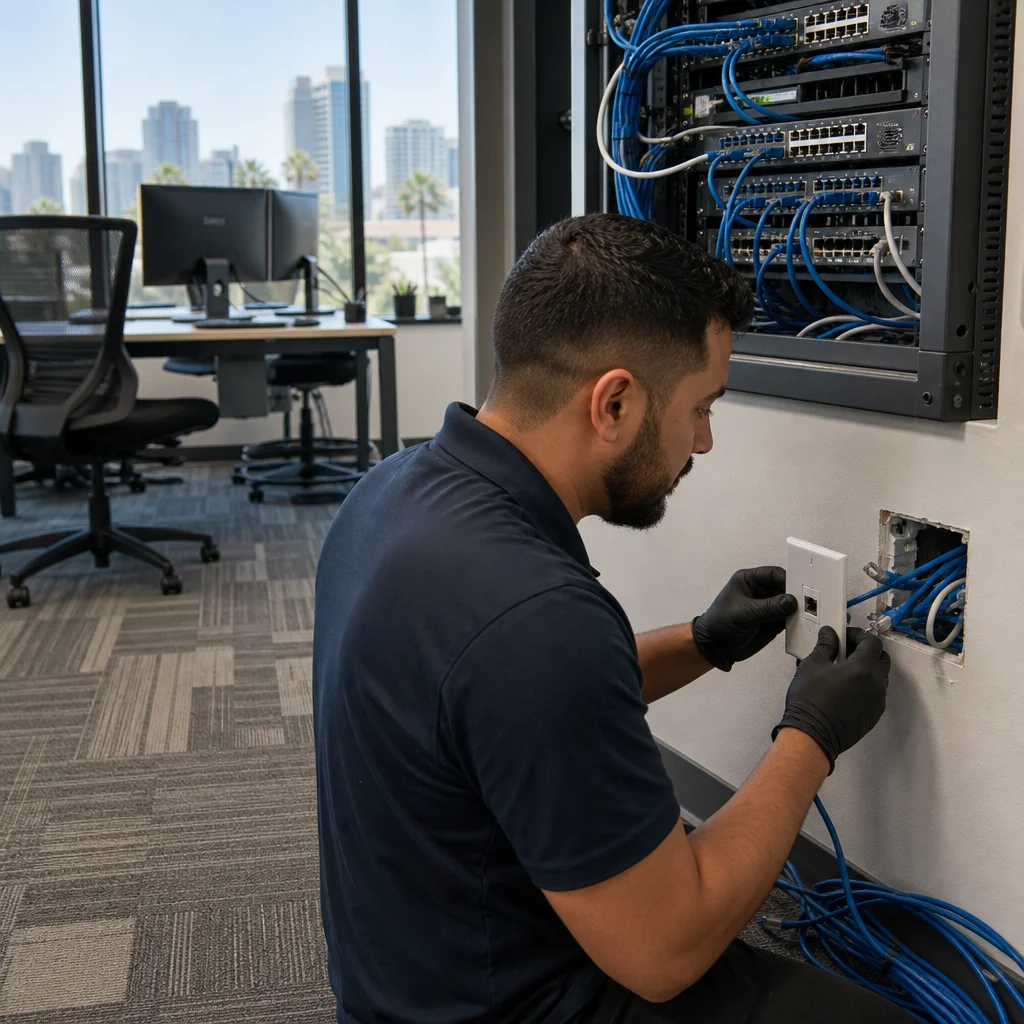
Future scalability becomes possible. Modern structured cabling accommodates growth without another major retrofit. When you add new conference rooms, expand departments, or upgrade security systems, your infrastructure is ready rather than resistant.
Organizations also discover unexpected benefits. Better network performance reduces the load on wireless systems, improving coverage throughout the building. Cleaner cabling infrastructure simplifies maintenance and reduces the mean-time-to-resolution when issues do occur.
Our Comprehensive Retrofitting Process and Assessment
We begin every retrofitting project with a detailed site assessment. Our team documents the current cabling layout, identifies which runs support which areas, tests existing infrastructure performance, and maps your building’s physical constraints.
This assessment reveals the practical approach for your specific space. Some San Diego commercial buildings can support open-cavity installation in drop ceilings, while others require surface-mounted conduit or in-wall routing that demands more precision planning. We identify transition points where old and new infrastructure must coexist temporarily.
Next, we develop a phased implementation plan. Rather than shutting down your entire network, we typically retrofit by section or floor. This allows critical operations to continue while we systematically upgrade your cabling infrastructure.
Our process includes:
- Testing all new runs before terminating old ones
- Labeling and documenting every single jack and circuit
- Certifying installations to industry standards before handoff
- Training your team on the new infrastructure layout
We also coordinate with your security and access control systems during planning. If your surveillance network or access control system relies on the existing cabling, we ensure those systems transition smoothly without service interruption. This integration planning prevents the frustrating scenario where network upgrades inadvertently compromise your security infrastructure.
Minimizing Downtime During Network Infrastructure Upgrades
Downtime isn’t inevitable. The key is advance planning and staged implementation.
We schedule retrofitting work outside peak operational hours when possible. For hotels, distribution centers, and other 24/7 operations, this means working late evenings and early mornings. For traditional office environments, we often work after hours or during planned maintenance windows.
Staged migration is our standard approach. Rather than replacing your entire network infrastructure at once, we create a transition period where old and new systems operate in parallel. We route active services to new cabling progressively, testing each section before moving forward. This method gives your team a safety net and allows us to troubleshoot without impacting live operations.
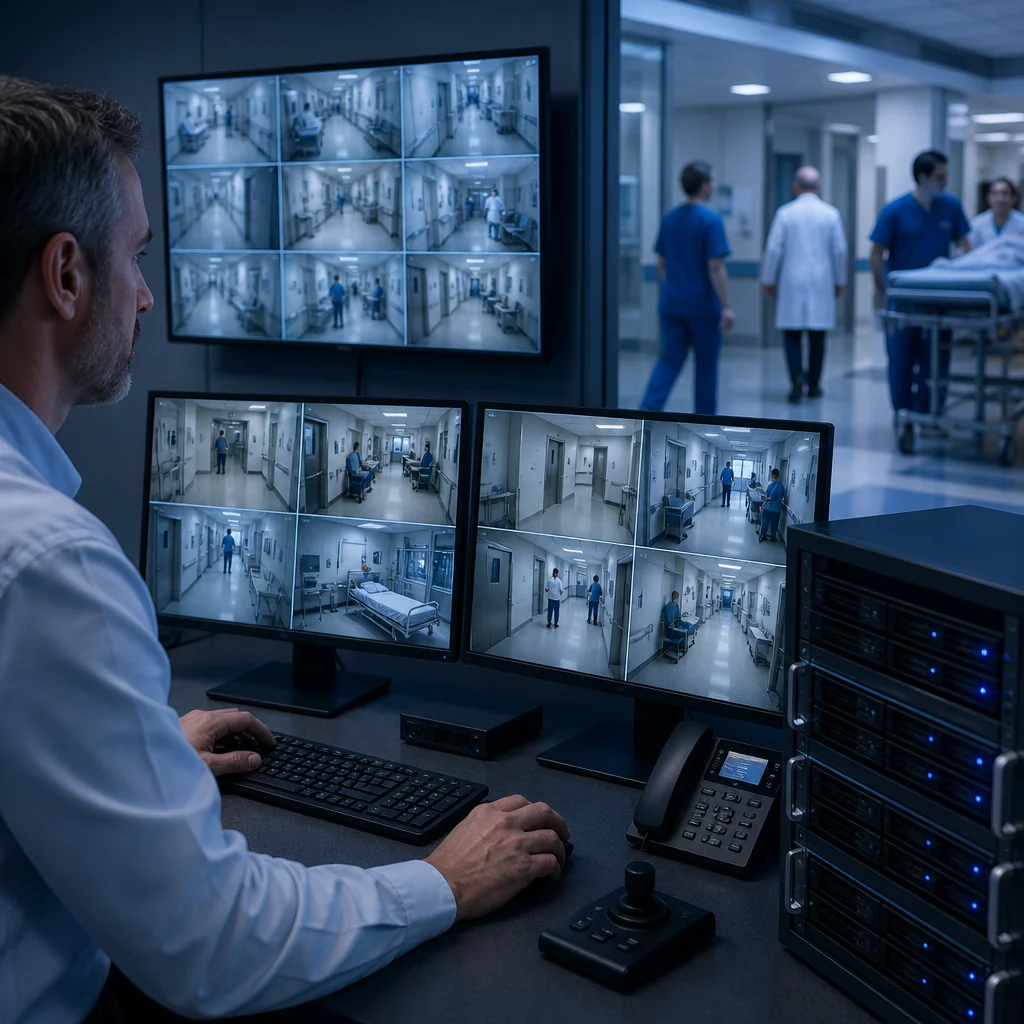
For security-critical systems like access control and surveillance cameras, we implement completely redundant temporary connections before deactivating old ones. Your building remains secure throughout the entire retrofit. An employee can’t suddenly find themselves locked out of a secured area because cabling work is in progress.
What to do next: Tell your retrofitting partner about your operational constraints upfront. If you have certain areas or systems that absolutely cannot go down, design your project timeline around those requirements. This level of detail prevents expensive emergency situations.
Integration With Your Existing Security and Access Control Systems
Modern ethernet jack retrofitting must account for your security infrastructure. This isn’t something to address after the cabling work concludes.
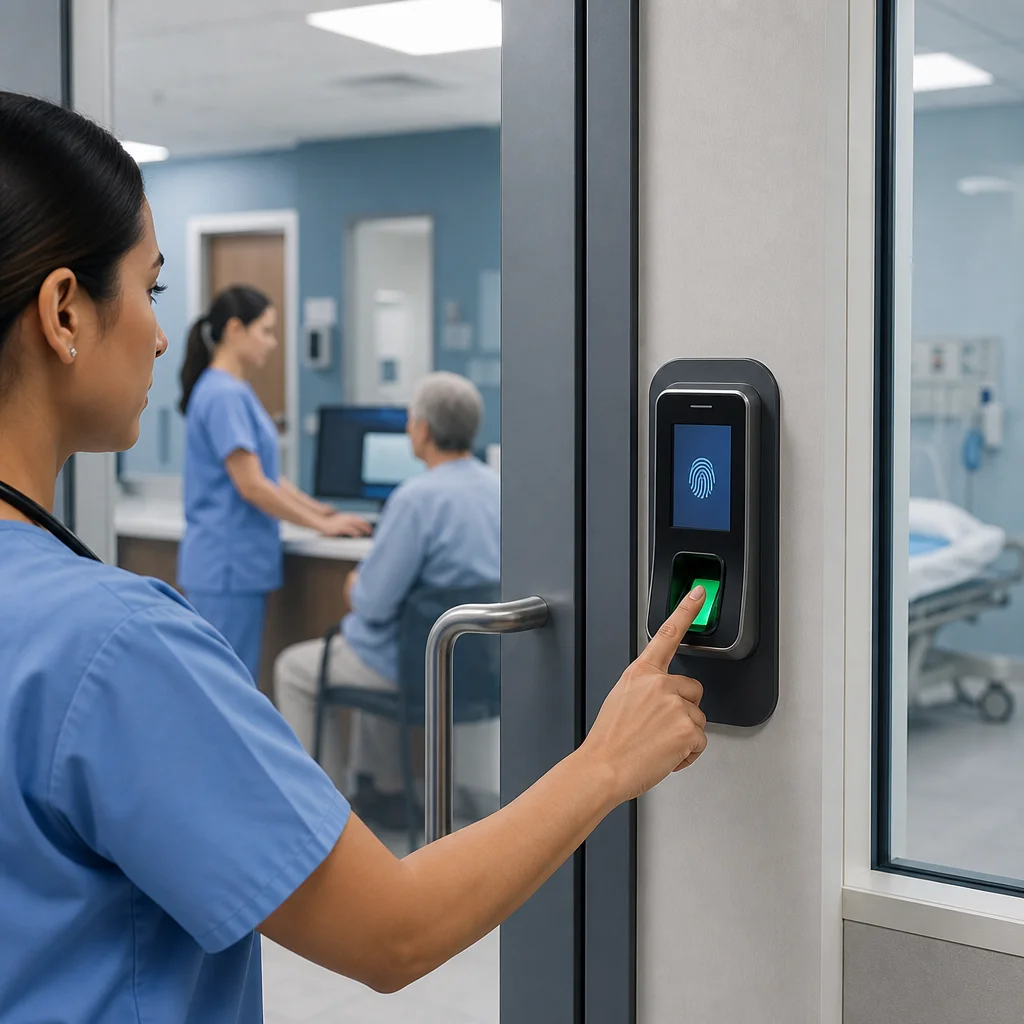
Access control systems depend on consistent network availability. Card readers, biometric scanners, and central management servers need clean, reliable connections. If your retrofitting effort disrupts those connections even briefly, you create security gaps and employee frustration at entry points.
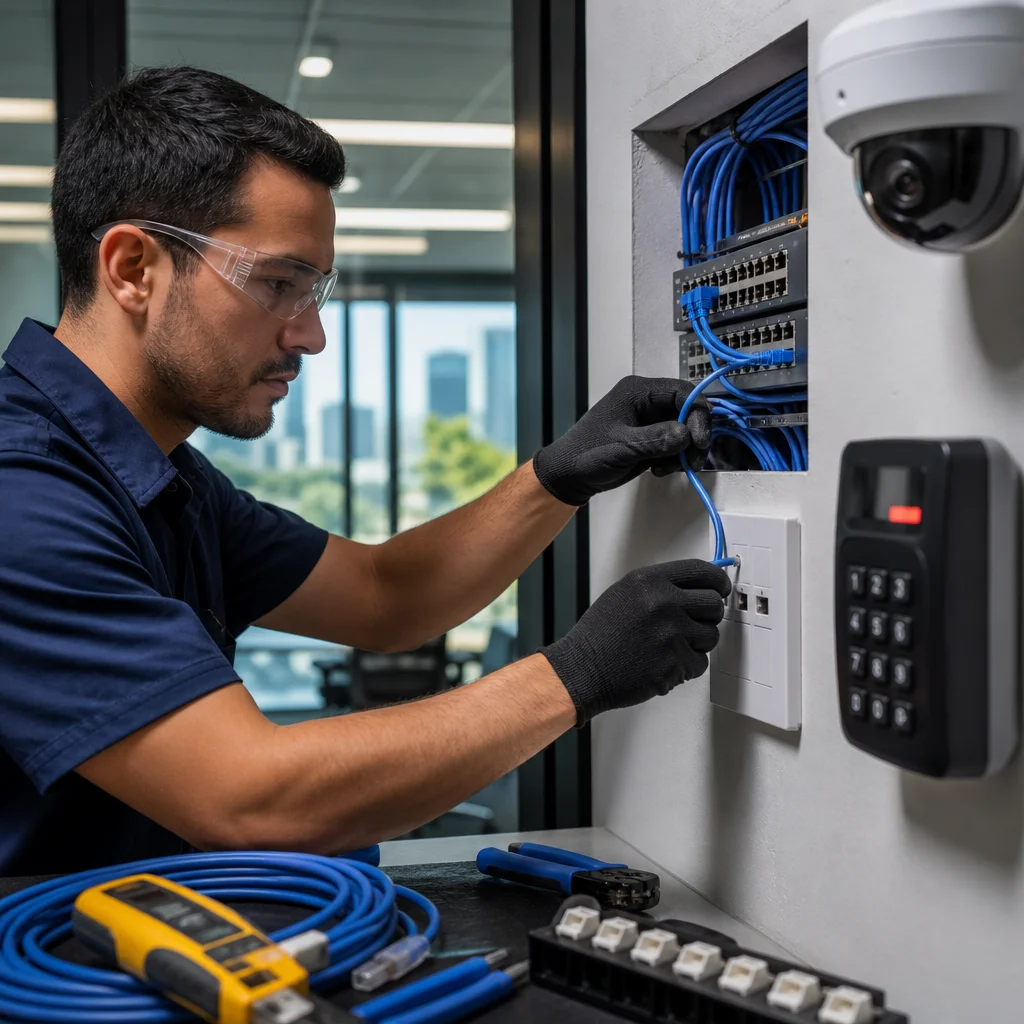
HD security cameras place specific demands on network infrastructure. 4K video streams require bandwidth that older cabling simply cannot reliably deliver. When we retrofit, we design the cabling plan with your camera specifications in mind. Cat6A structured cabling ensures your surveillance system operates at full resolution without compression or frame rate reduction.
Network switches and security appliances also benefit from upgraded infrastructure. Modern managed switches perform better with improved cabling, giving your security team visibility into network traffic and threat detection capabilities that older systems couldn’t support.
We coordinate the retrofitting timeline with your existing security vendor or internal security team. This ensures access control and surveillance systems experience zero downtime and continue operating at full capacity throughout the project. For multi-property operators like hospitality groups managing several locations, this coordination prevents cascading complications across your portfolio.
Structured Cabling Standards We Follow for Lasting Performance
Industry standards exist for good reason. They ensure your investment remains relevant for the next decade.
We install according to Low Voltage Structured Cabling standards, including TIA-942 for data center work and TIA-568 for general commercial installations. These standards specify everything from cable types and bend radius to termination methods and testing protocols.
Cat6A cabling is our baseline for retrofitting projects. It supports 10 Gbps speeds, handles current applications comfortably, and provides headroom for future upgrades without another comprehensive retrofit. For facilities with extremely high bandwidth demands like large distribution centers or healthcare networks managing multiple buildings, we sometimes recommend Cat7 infrastructure.
Proper termination is non-negotiable. We use certified technicians who follow exacting standards for how cables are terminated at jacks and patch panels. Loose terminations are the leading cause of intermittent connectivity problems, and we eliminate that source of failure through rigorous quality control.
Documentation is part of our standard delivery. You receive detailed records showing where every cable runs, which circuits serve which areas, and performance test results for each installation. This documentation becomes invaluable when future modifications are needed or when troubleshooting becomes necessary.
Real Results: San Diego Businesses That Upgraded Their Networks
We’ve completed ethernet jack retrofitting projects across hospitality properties, distribution centers, manufacturing facilities, and healthcare environments throughout Southern California.
One hotel group managing three properties in the San Diego area upgraded their network infrastructure to support modern access control and surveillance systems. The retrofitting reduced security system downtime from 3-4 incidents annually to zero, improved guest Wi-Fi reliability, and enabled the properties to deploy real-time occupancy monitoring across all three locations.
A distribution center retrofitted its warehouse network to support upgraded inventory tracking and facility access control. The improved cabling infrastructure allowed them to deploy HD cameras throughout the facility, reducing inventory discrepancies by 12% annually through better visibility of receiving and shipping areas.
A healthcare facility upgraded its patient care floors to Cat6A infrastructure, enabling real-time patient monitoring systems and improving emergency communication reliability. The retrofitting also simplified their compliance with healthcare data protection requirements by supporting modern encryption protocols across their entire network.
These organizations share a common outcome: their retrofitting investment paid for itself within 18-24 months through improved operations, reduced downtime, and decreased IT support costs.
Planning Your Office Ethernet Retrofit: Questions to Ask Your Partner
When evaluating retrofitting partners, clarity about their approach matters enormously.
Ask about their assessment process. A thorough partner will spend time understanding your building layout, current infrastructure, future growth plans, and operational constraints. If a company quotes a retrofit project without extensive on-site evaluation, that’s a warning sign.
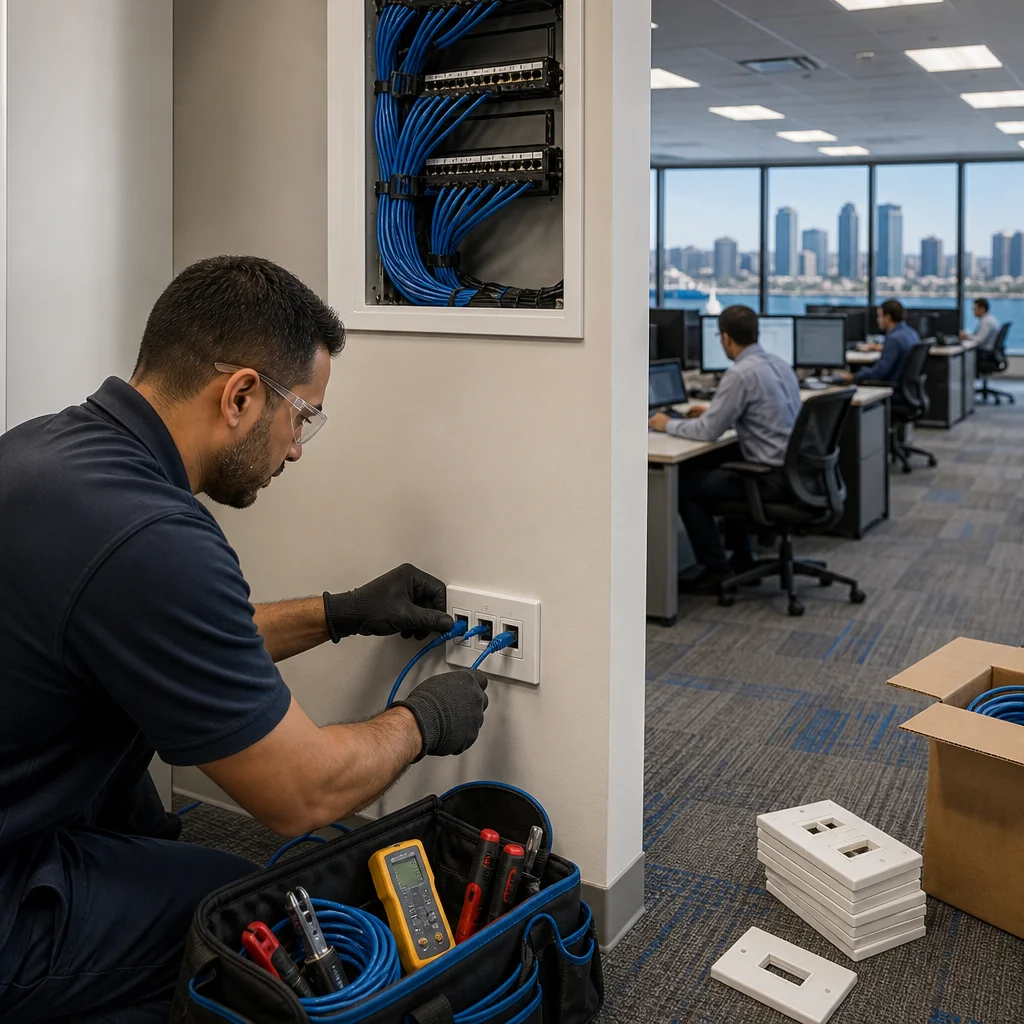
Inquire about their testing and certification protocols. Every installation should be tested to TIA standards and certified before handoff. Ask for sample certification documentation showing exactly how they verify performance.
Understand their downtime mitigation strategy. How will they keep critical systems running during the retrofit? What’s their contingency plan if problems arise during implementation? Will they have temporary redundant connections in place before deactivating old infrastructure?
Ask about integration with your security systems specifically. If you operate access control or surveillance networks, your retrofitting partner should address those proactively, not treat them as afterthoughts.
Finally, clarify what documentation and ongoing support you’ll receive. You should have complete records of your new infrastructure and know who to contact if future modifications are needed.
Why Terapixels Systems Delivers Complete Infrastructure Solutions
We approach ethernet jack retrofitting as part of your overall technology infrastructure, not as an isolated cabling project.
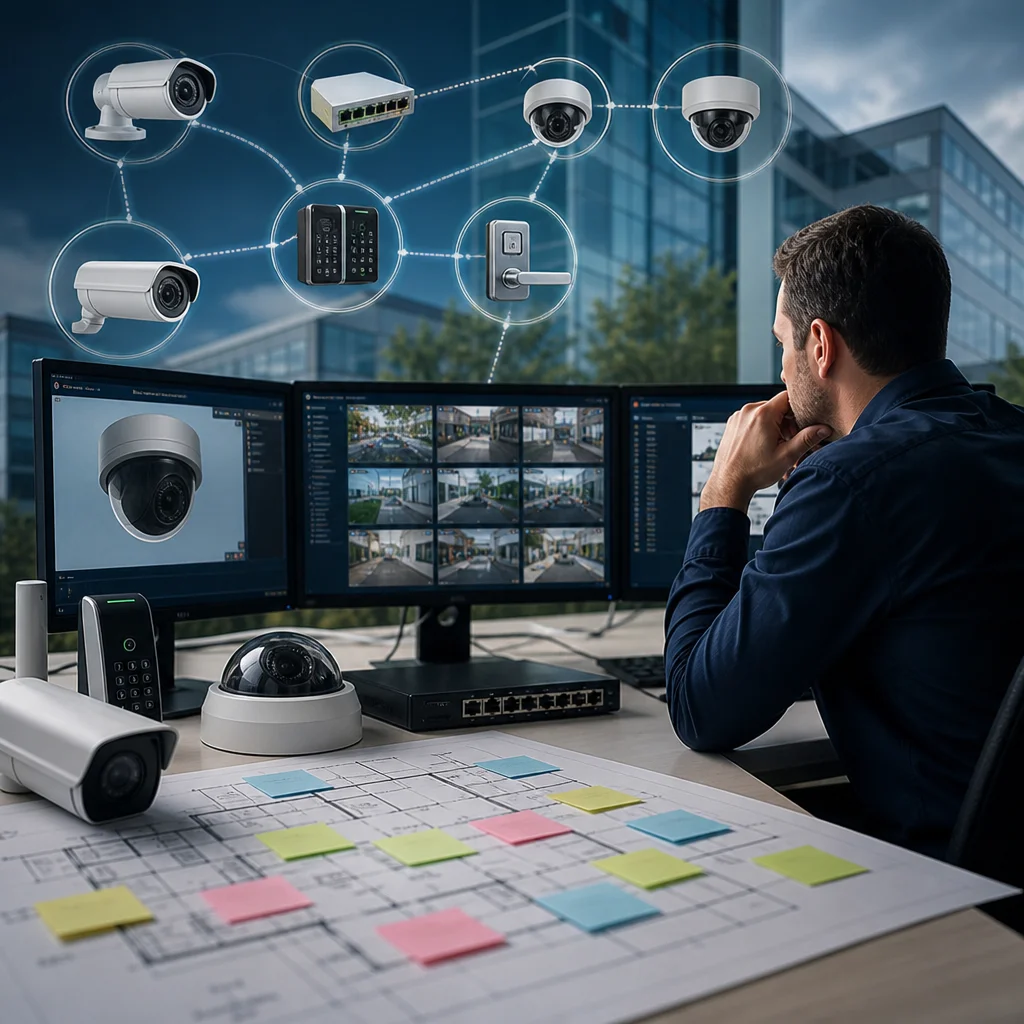
Our team designs solutions that integrate your network infrastructure, security cameras, access control systems, and managed IT services into a unified platform. This integrated approach eliminates the complexity of coordinating between multiple vendors and ensures all your systems support each other rather than creating conflicts.
We bring specialized expertise in enterprise-level infrastructure. Our background installing and managing networks for hospitality groups, distribution centers, manufacturing facilities, and healthcare organizations means we understand the specific demands of mission-critical environments. We’ve designed infrastructure for 24/7 operations, high-volume traffic patterns, and security-sensitive applications.
Our retrofitting process is predictable and transparent. You know exactly what’s happening, when it’s happening, and what to expect at each phase. This reduces anxiety around infrastructure work and lets you plan with confidence.
Most importantly, we remain your partner after installation. We support the infrastructure we install, manage it if you choose, and handle future modifications as your organization grows. You’re not managing hand-offs between different vendors or struggling to find someone accountable when issues arise.
If your San Diego facility is operating on aging network infrastructure, ethernet jack retrofitting moves from “eventually” to “now” on your priority list. The combination of improved reliability, better security system performance, and future scalability justifies the investment quickly. Contact us to schedule an infrastructure assessment and discover how modern cabling transforms your operations.
Frequently Asked Questions (FAQ)
What’s involved in our ethernet jack retrofitting process for San Diego offices?
We start with a comprehensive assessment of your current network infrastructure to identify bottlenecks and capacity needs. Our team then designs a structured cabling plan that integrates seamlessly with your existing systems, followed by professional installation that minimizes disruption to your operations. We pull new cabling through walls and conduits, terminate all connections to current standards, and thoroughly test every jack before we consider the project complete.
How do we minimize downtime during network upgrades?
We work with your team to phase the retrofit in sections, allowing your business to maintain connectivity on non-upgraded areas while we work. Our technicians typically conduct installations during off-hours or low-traffic periods whenever possible, and we coordinate closely with your IT staff to ensure a smooth transition. We’ve found that proper planning and sequencing make the difference between a disruptive project and one that your employees barely notice.
Can you integrate ethernet retrofitting with our existing security and access control systems?
Absolutely. We design our structured cabling infrastructure to support your security cameras, access control panels, and other integrated systems alongside standard network needs. Our approach means all your systems run on the same professional-grade infrastructure, eliminating compatibility issues and simplifying future upgrades. This integrated approach is exactly why businesses choose us over piecing together multiple vendors.