CONTACT US
Table of Contents
- The Hidden Cost of Fragmented Security Infrastructure
- Why Incident Response Speed Matters to Your Bottom Line
- How Disconnected Systems Create Response Delays
- Our Integrated Approach to Security Infrastructure
- Real-Time Monitoring and Automated Alert Capabilities
- Unified Access Control and Camera Systems
- Streamlining Investigation and Evidence Collection
- Network Infrastructure as the Foundation
- Implementation Strategy for Maximum Efficiency
- Measuring Response Time Improvements
- Moving Forward with Integrated Security
- Frequently Asked Questions (FAQ)
The Hidden Cost of Fragmented Security Infrastructure
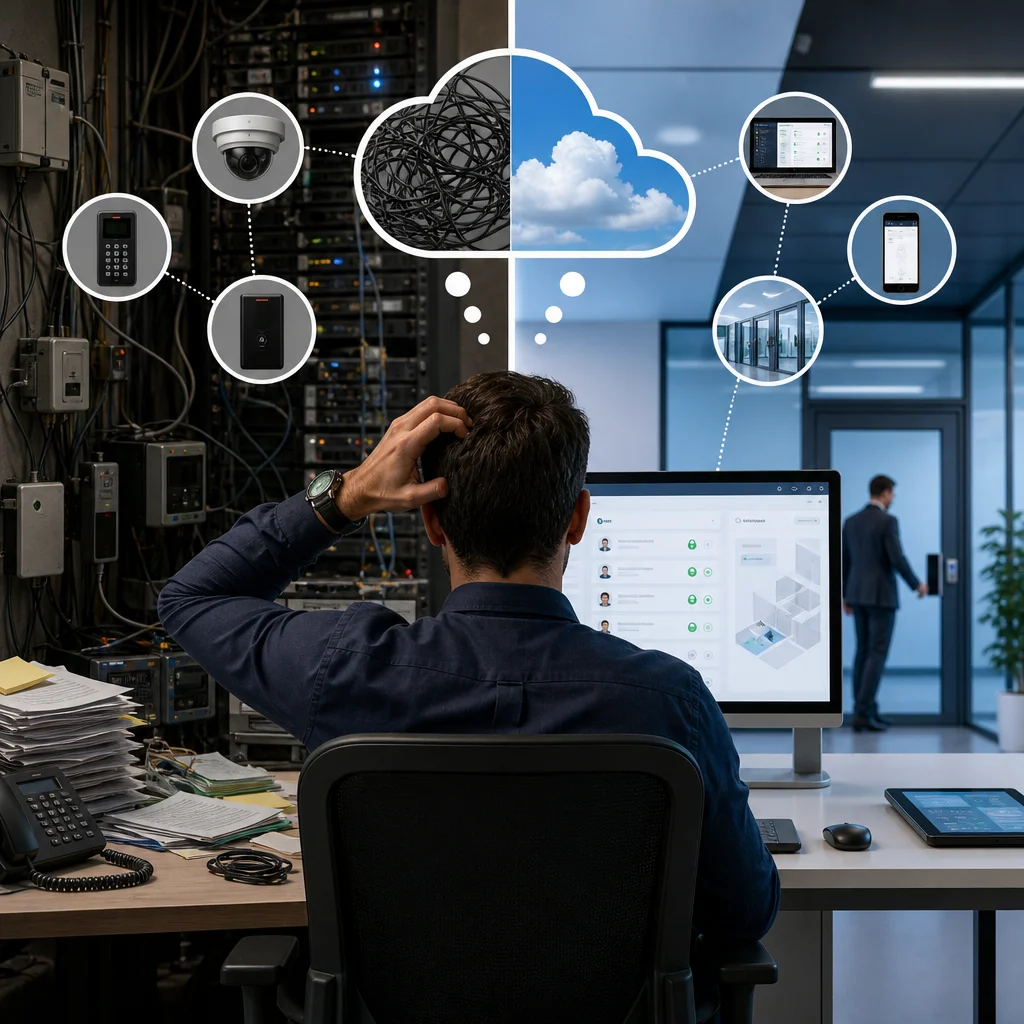
Most mid-sized facilities across Southern California operate with security systems that never speak to each other. Your access control doors report to one vendor, your cameras feed into a separate system, and your IT infrastructure sits in another silo entirely. When a security event occurs, your team scrambles to piece together information from multiple dashboards, different software interfaces, and disconnected databases.
This fragmentation carries a real price tag beyond the headache of managing multiple vendors. Each system requires separate monitoring, different login credentials, and independent alert protocols. If an unauthorized person enters a restricted area, the access control system logs the entry while cameras record footage in a different system with a different timestamp. Your IT team doesn’t automatically know about the breach because the security incident isn’t connected to your network management platform.
We’ve observed this scenario repeatedly across hotels, warehouses, distribution centers, and manufacturing facilities. The cost manifests as wasted response time, duplicated vendor support contracts, inconsistent security policies, and worst of all, security gaps where incidents fall through the cracks between systems. A facility managing twenty different technology vendors spends resources just coordinating between them rather than preventing incidents.
What to do next: Audit your current security infrastructure and document which systems require manual data transfer or coordination between your teams.
Why Incident Response Speed Matters to Your Bottom Line
Response time directly impacts your liability, operational losses, and risk exposure. Consider a manufacturing facility where unauthorized personnel gain access to restricted equipment. If your team identifies this in real-time, the cost might be a few minutes of production interruption and some immediate investigation. If the incident goes unnoticed for an hour because your access control and camera systems don’t communicate, the cost escalates to equipment damage, safety violations, and potential regulatory fines.
For hospitality properties managing guest safety and asset protection, speed becomes critical. A hotel property at Marriott or Hilton standards requires immediate response to security incidents to protect guests and assets. When your access control systems are integrated with cameras and monitoring infrastructure, your security team can respond in seconds rather than minutes. Those seconds often mean the difference between apprehending an intruder and discovering a loss after the fact.
The financial impact extends beyond immediate incident costs. Faster response times reduce investigation expenses because your team has comprehensive data immediately available. You reduce false alarm response costs when your systems filter noise intelligently. Insurance carriers often provide premium reductions for facilities with documented rapid response capabilities. Most importantly, you protect your organization’s reputation and operational continuity.
Actionable insight: Calculate your current average incident response time by reviewing recent security events and measuring the lag between when something happened and when your team actually responded.
How Disconnected Systems Create Response Delays
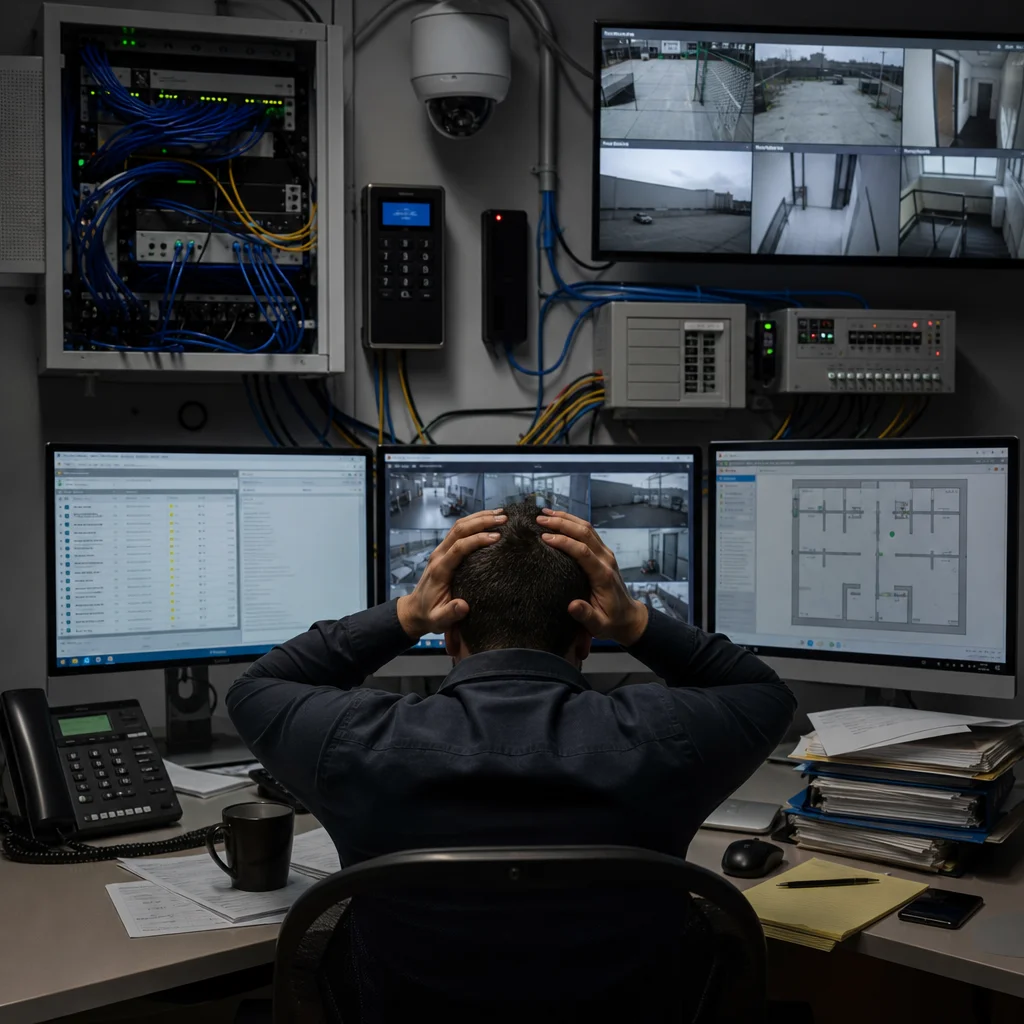
Fragmented infrastructure creates predictable bottlenecks that slow response times at every stage of incident management. The first delay occurs in detection. If your access control system and camera system operate independently, neither knows what the other observed. A person might swipe a card in an unusual location, but that alert sits in one system while camera footage from a completely different interface never connects the dots.
The second delay hits during alert escalation. Your access control system sends an alert to one person via email while your camera system sends a separate notification to someone else through a different app. Critical information gets routed to different team members, creating confusion about whether an incident is actually happening and who should respond. Minutes pass while your team tries to confirm whether multiple alerts represent one incident or separate events.
Investigation and evidence collection introduce the third delay. When incident response begins, your team must manually pull footage from one system, cross-reference it with access logs from another system, and coordinate with IT if your network infrastructure is implicated. Each system uses different timestamp formats, different naming conventions, and different data structures. Your security team spends hours reconstructing what actually happened instead of taking preventive action.
Facility management at property companies, warehouses, and distribution centers experiences these delays most acutely because their facilities are large and complex. A distribution center using disconnected security systems might employ multiple security staff who each monitor different systems. During a shift change, crucial context about an ongoing situation gets lost because the outgoing shift viewed alerts in one interface while the incoming shift uses another.
Next step: Map your current alert flow for a specific incident type and identify where manual handoffs currently occur between systems.
Our Integrated Approach to Security Infrastructure
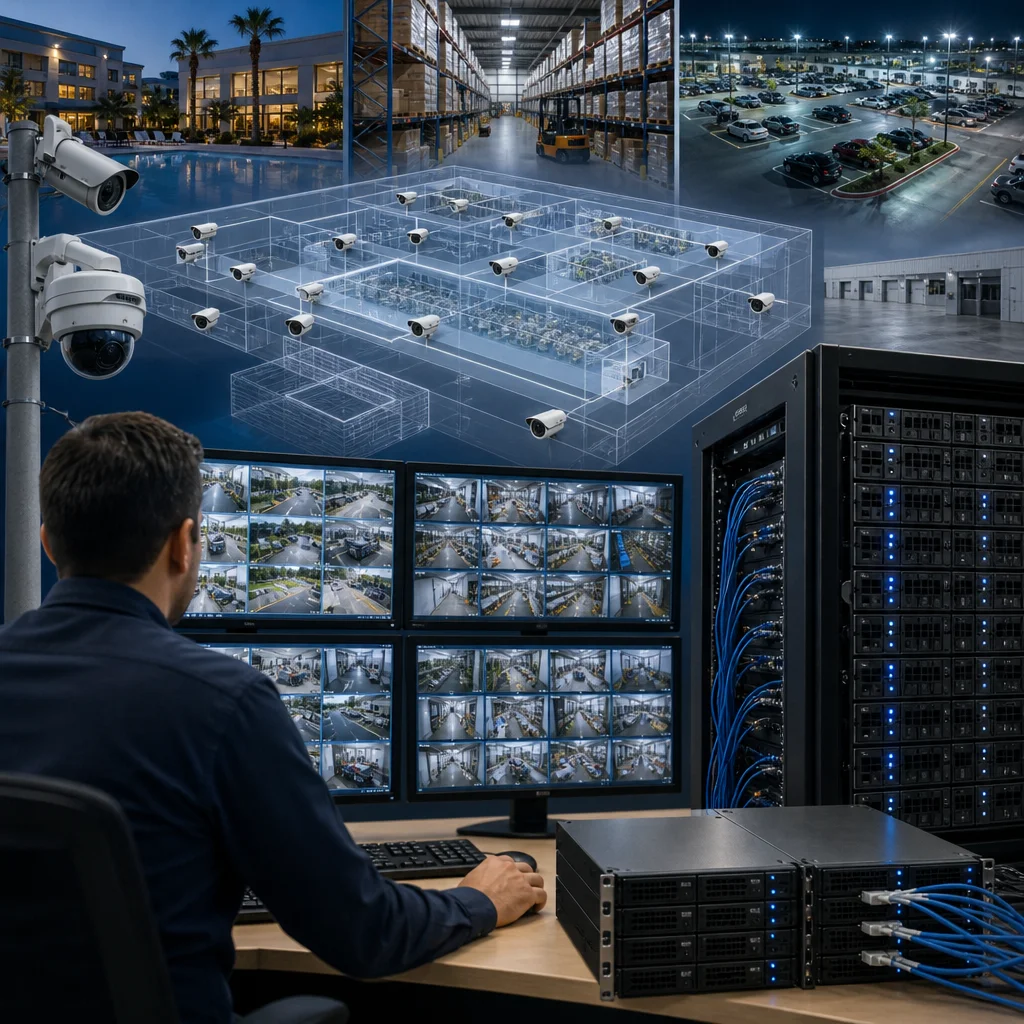
We design our security solutions around the principle that every component should communicate seamlessly with every other component. Our integrated security systems connect your access control infrastructure, camera systems, monitoring platforms, and network management into a single unified ecosystem. When an incident occurs, your entire security apparatus responds as one coherent system rather than a collection of independent tools.
Our approach begins with your network infrastructure. We install structured cabling and network architecture that provides the foundation for all security systems to operate cohesively. HD security cameras, access control systems, monitoring stations, and emergency response tools all connect through our managed network, ensuring reliable communication and real-time data synchronization.
The integration extends beyond hardware connections. We implement unified security platform software that consolidates alerting, monitoring, and investigation capabilities. Your security team works from a single interface where they can view access events, camera footage, and system status simultaneously. Automated rules and workflows trigger the appropriate responses based on the type of incident detected.
For property management companies overseeing multiple facilities, our integration approach scales efficiently. You manage security across your entire portfolio from unified dashboards rather than logging into dozens of different vendor systems. Policies and procedures standardize across properties, reducing confusion and improving consistency.
What to implement: Start with an assessment of how your access control system and camera systems could communicate, then build outward to other security components.
Real-Time Monitoring and Automated Alert Capabilities
Real-time monitoring becomes genuinely effective when all your systems feed data into a single monitoring interface. When an access control event occurs, it appears in your monitoring system immediately. If that same location has cameras, the footage streams alongside the access log. If your network detects unusual traffic patterns, that context appears in the same unified view.
Automated alerts replace the manual monitoring approach that creates response delays. Rather than requiring a human to constantly watch multiple dashboards, your integrated system applies intelligent rules that filter noise and escalate genuine threats. An employee swiping into their department after hours generates a different alert priority than an unknown person forcing a door in a restricted area. Your monitoring system learns what constitutes normal activity and flags deviations automatically.
Alert escalation becomes instantaneous and context-rich. Instead of a vague notification that “an alarm occurred,” your team receives specific information: “Unauthorized door forced at Location B, Building 3. Camera footage attached. Last authorized access 47 minutes ago. Building security notified.” This context allows immediate appropriate response.
We configure monitoring systems to correlate events across infrastructure. If your access control shows someone entering a restricted area while your network security detects a connection attempt to sensitive systems, your integrated platform immediately recognizes the correlation and escalates it as a serious incident. These intelligent correlations catch threats that disconnected systems would miss entirely.
Action item: Review your current alert procedures and identify situations where related information arrives in separate notifications.
Unified Access Control and Camera Systems
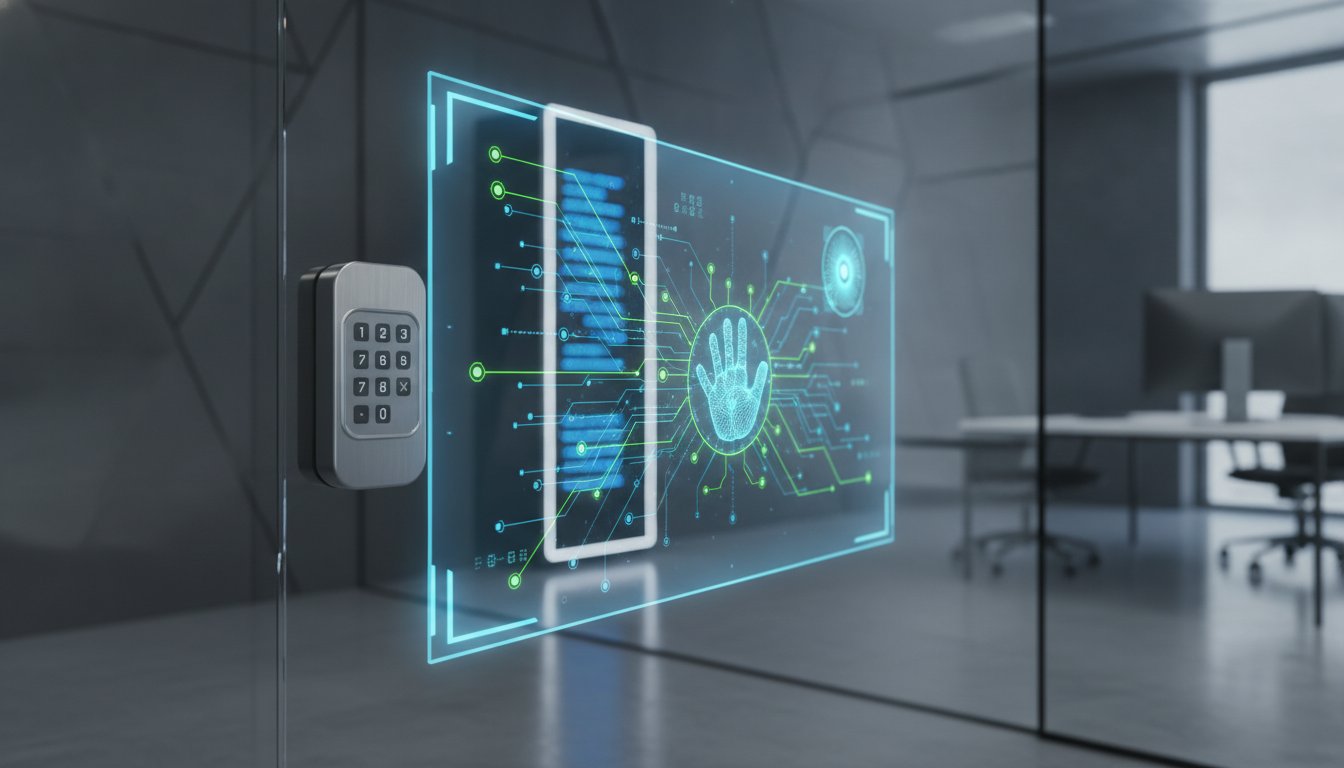
Our unified access control and camera systems create the core of integrated security infrastructure. When someone requests access through a door controlled by your access system, that interaction captures to your access control database simultaneously with the camera recording video of that person. The timestamp, the identity, the location, and the visual record all sync perfectly.
This unified approach eliminates the investigation nightmare of trying to match access logs with video footage recorded at a slightly different timestamp due to system clock drift. You open your investigation interface and see the exact moment someone accessed a location, with the corresponding video playing at that precise moment. No guessing, no manual synchronization, no lost minutes trying to correlate data.
Integrated access control systems that we install provide granular visibility into facility movement. For manufacturing facilities where equipment access matters, you see exactly who accessed what equipment and when. For distribution centers where inventory security is critical, you track movements through different zones with perfect correlation between physical access and video documentation.
The unified system also enables policy automation. You can create rules like “if someone accesses the server room without going through the main entrance first, escalate as a critical alert” or “if access occurs outside normal hours for this badge, require manager approval.” These policies work across both access control and camera systems simultaneously, creating security intelligence that isolated systems cannot achieve.
Implementation step: Identify your highest-risk areas where unified access control and camera footage would provide the most investigation clarity.
Streamlining Investigation and Evidence Collection
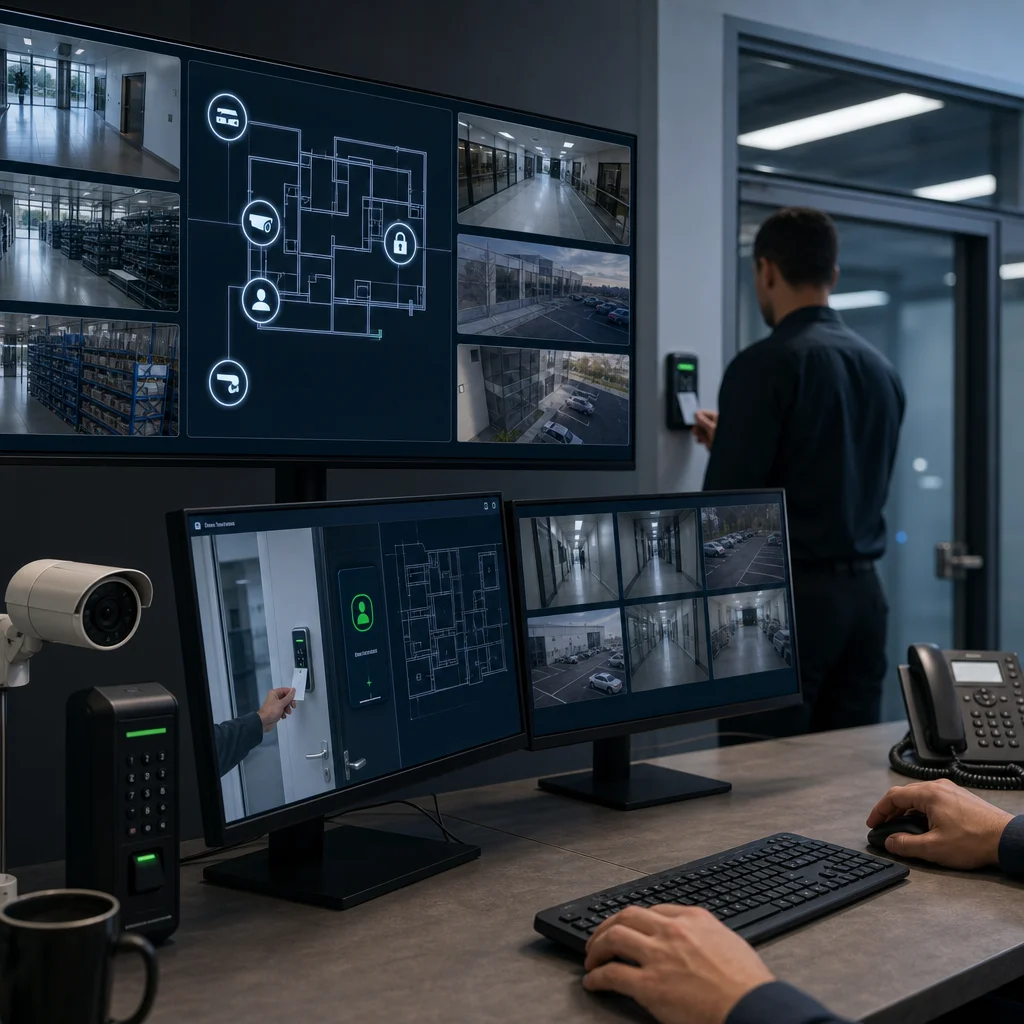
When incidents occur and investigation begins, integrated systems compress investigation timelines dramatically. Instead of calling multiple vendors to export data from different systems, your team accesses investigation tools through your unified security platform. You search for events by location, by person, by time range, and by event type across all systems simultaneously.
The investigation workflow becomes linear instead of scattered. Your team identifies an incident, reviews correlated access and video evidence in seconds, determines the appropriate response, executes that response, and documents the outcome. Everything exists in one place with consistent timestamps and integrated data structures.
Evidence collection for potential legal action accelerates because your integrated system provides comprehensive documentation. You export access logs and corresponding video footage as a single coherent record rather than assembling separate exports from different vendors. Your evidence has consistent dating, clear chain-of-custody documentation, and integrated context that makes it compelling for legal proceedings.
For facilities serving hospitality chains like Hyatt or Four Seasons where guest incidents require documentation, integrated systems provide the clear, comprehensive evidence you need for incident reviews and guest communication. You can reconstruct events with perfect clarity and demonstrate to guests and authorities exactly what occurred.
What to prepare: Create a standard evidence documentation template that your integrated system can use to export investigation findings in your preferred format.
Network Infrastructure as the Foundation
Integrated security systems depend entirely on reliable, well-designed network infrastructure. We build network foundations specifically designed to support security systems alongside your business operations. Structured cabling, network segmentation, redundancy, and proper bandwidth allocation ensure that security data flows reliably.
Our managed IT services monitor network health specifically for security system performance. We ensure that your access control signals reach doors instantly, that camera streams maintain quality and reliability, and that your monitoring platform receives alerts without delay. Network problems that might seem minor to your business operations can create critical security failures if not addressed immediately.
Network security itself becomes part of integrated incident response. When someone accesses your facility physically, our network infrastructure can detect any corresponding network access attempts from that device or person. If your access logs show someone in the server room, our network monitoring shows exactly what they accessed on your systems. This integrated visibility catches sophisticated threats that attackers design to evade isolated security systems.
We provide redundancy at every network level so that security systems remain operational even when primary connections fail. Your access control doesn’t go dark if your main internet connection drops. Your cameras continue streaming. Your monitoring platform stays operational. Security incidents never have the advantage of network failures.
Critical action: Have your network infrastructure audited specifically for security system requirements, not just general business connectivity.
Implementation Strategy for Maximum Efficiency
Implementing integrated security infrastructure successfully requires careful planning to minimize disruption to your operations. We approach implementation in phases, starting with your highest-risk areas and expanding across your facility as each phase completes successfully.
Phase one focuses on network foundation. We design and install structured cabling and network infrastructure that will support all integrated systems. This phase is critical because it enables everything that follows. We work during scheduled maintenance windows and coordinate with your operational teams.
Phase two integrates your access control and camera systems. We connect existing equipment where possible, supplement with new equipment where necessary, and establish the unified monitoring platform. Your team gains immediate benefits from correlated access and video visibility as this phase completes.
Phase three extends integration to additional security components like emergency response systems, visitor management, and facility automation. Later phases add specialized systems for your specific facility type, whether that’s card reader integration for hotels, restricted zone monitoring for manufacturing, or inventory access tracking for distribution centers.
Throughout implementation, we maintain full operational security. Your facility never operates with security gaps during the transition. We test each integrated component thoroughly before activating it in production. Your team trains on new systems before we deploy them widely.
Next step: Identify your facility’s highest-risk areas and propose starting integration there for fastest ROI.
Measuring Response Time Improvements
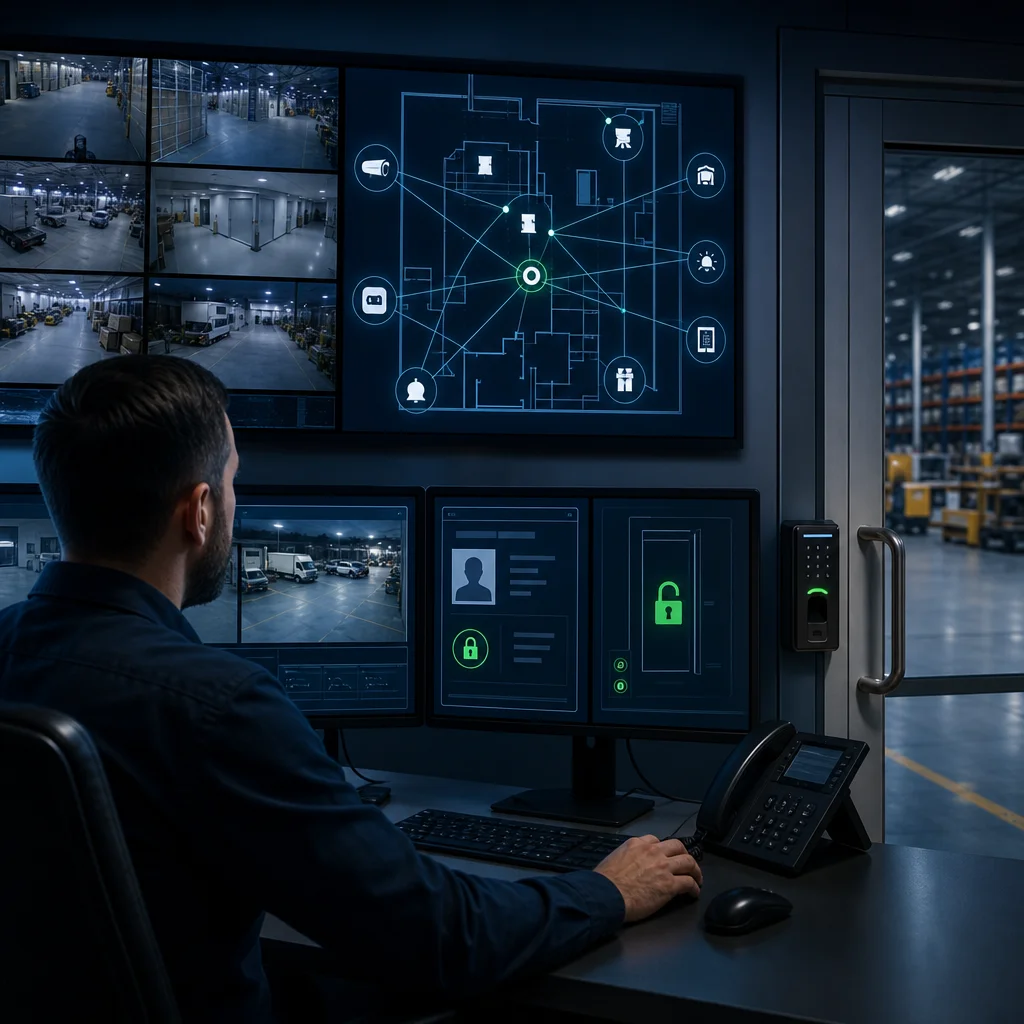
After integrated security implementation, you should see measurable improvement in incident response times. We establish baseline metrics before implementation, then track improvements consistently. Average response time typically decreases 60-80% within the first three months as your team becomes accustomed to integrated workflows.
Response time measurement goes beyond simple seconds. We measure detection time (how quickly incidents are identified), escalation time (how quickly alerts reach appropriate personnel), and resolution time (how quickly issues are addressed). Integrated systems improve all three metrics simultaneously.
We also track false alarm rates because integrated systems significantly reduce unnecessary responses. Intelligent correlation eliminates the false alerts that plague fragmented systems, so your team focuses energy on genuine security threats rather than chasing noise. Your emergency response costs decrease as false alarm rates drop.
Operational benefits become quantifiable too. Investigation time decreases because comprehensive evidence is instantly available. Insurance claims documentation improves because evidence is well-organized and reliable. Regulatory compliance becomes simpler because your integrated system maintains complete audit trails automatically.
Measurement action: Define specific KPIs for response time, detection accuracy, and investigation efficiency before implementation begins.
Moving Forward with Integrated Security
Integrated security infrastructure is no longer a luxury technology reserved for the largest enterprises. For mid-sized facilities across Southern California managing manufacturing operations, distribution centers, hotel properties, or managed real estate portfolios, integration has become a practical necessity. Your competitors in hospitality chains and large operational facilities already benefit from integrated security visibility that smaller fragmented systems simply cannot match.
The path forward involves three concrete steps. First, assess your current fragmentation and identify where disconnected systems create the largest response delays. Second, develop a phased implementation plan that prioritizes your highest-risk areas. Third, partner with integrators who understand both enterprise security infrastructure and your specific facility type.
We’ve guided property management companies, manufacturing facilities, distribution centers, and hospitality operations through successful integrations. Our implementation guide provides detailed direction for facilities similar to yours. We manage every aspect of integration from network design through staff training and ongoing optimization.
The investment in integrated security infrastructure returns value immediately through faster response times, reduced investigation costs, and enhanced threat detection. Over time, the operational efficiency gains, reduced false alarms, and improved compliance documentation compound into significant organizational benefit.
Contact our team at Terapixels Systems to discuss how integrated security infrastructure can streamline incident response for your specific facility. We’ll assess your current situation, identify integration opportunities that match your operational needs, and develop a realistic implementation timeline that works within your operational constraints.
Frequently Asked Questions (FAQ)
How do integrated security systems reduce our incident response times?
We consolidate your security cameras, access control, and monitoring into a unified platform, eliminating delays from checking multiple disconnected systems. Our real-time alerts and automated notifications mean our team can respond to incidents within minutes rather than hours, giving you immediate visibility into what’s happening across your facility. By centralizing all security data, we help you identify threats and coordinate response efforts before situations escalate.
What’s the difference between our integrated approach and managing separate security vendors?
With fragmented systems, you’re juggling different platforms, interfaces, and response protocols from multiple vendors, which creates gaps and delays during emergencies. We handle your structured cabling, network infrastructure, cameras, and access control as one cohesive system, so there’s no miscommunication between components or vendors. This unified approach means faster incident detection, clearer evidence collection, and a single point of accountability for your security operations.
Why does network infrastructure matter for our security system efficiency?
Your security systems depend entirely on reliable, properly designed network infrastructure to function at peak performance. We ensure our cabling, network setup, and monitoring architecture work together seamlessly so your cameras and access controls respond instantly without latency issues. A weak network foundation creates bottlenecks that slow down alerts and real-time visibility, which is why we build security efficiency from the ground up.