CONTACT US
Table of Contents
- Why Your Organization Needs Vendor Consolidation
- Key Criteria for Evaluating Cloud Surveillance Platforms
- Seamless Integration with Existing Infrastructure
- Access Control and Camera System Unification
- Managed Monitoring and Real-Time Alerts
- Scalability for Growing Facilities
- Cost Efficiency and ROI Analysis
- Why Terapixels Systems Delivers the Definitive Solution
- Implementation and Transition Strategy
- Security and Compliance Standards
- Customer Success and Support
- Getting Started with Your Consolidation
- Frequently Asked Questions (FAQ)
Why Your Organization Needs Vendor Consolidation
Managing multiple security vendors creates operational friction, inflated budgets, and fragmented visibility across your facilities. If you’re running a hotel chain, distribution center, warehouse, or manufacturing facility across Southern California, you know how quickly this complexity compounds. At Terapixels Systems, we help enterprise organizations consolidate disparate security systems into a single, unified cloud surveillance platform that delivers better control and lower costs.
Running separate contracts with a camera vendor here, an access control provider there, and a monitoring service elsewhere drains resources and creates blind spots. Each vendor operates independently, meaning your security data lives in isolated silos. When an incident occurs across multiple zones, you’re scrambling to cross-reference footage and logs from different platforms using different interfaces.
The hidden costs accumulate fast. Multiple vendor contracts mean multiple invoices, multiple support channels, and multiple integration headaches. Your IT team spends cycles managing incompatible systems instead of focusing on strategic initiatives. For property management companies overseeing hundreds of locations, this becomes unmanageable.
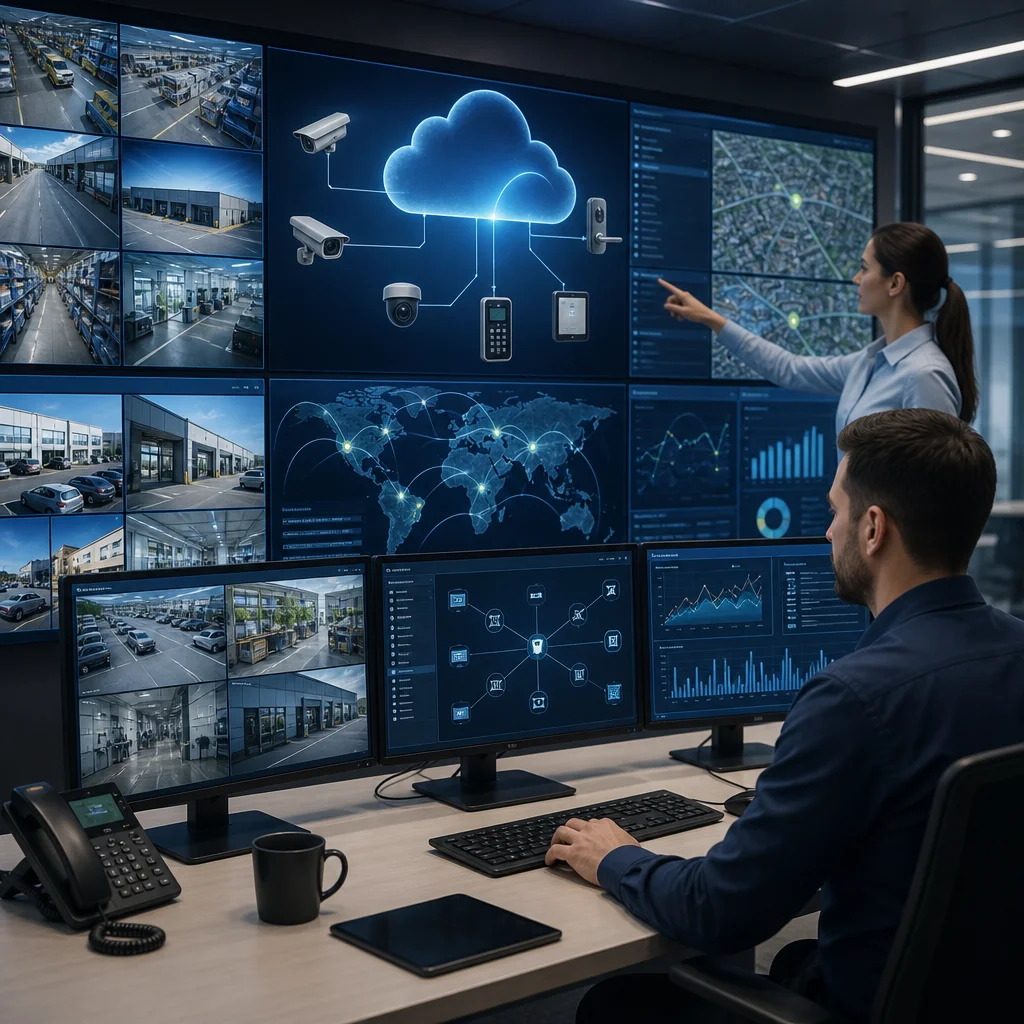
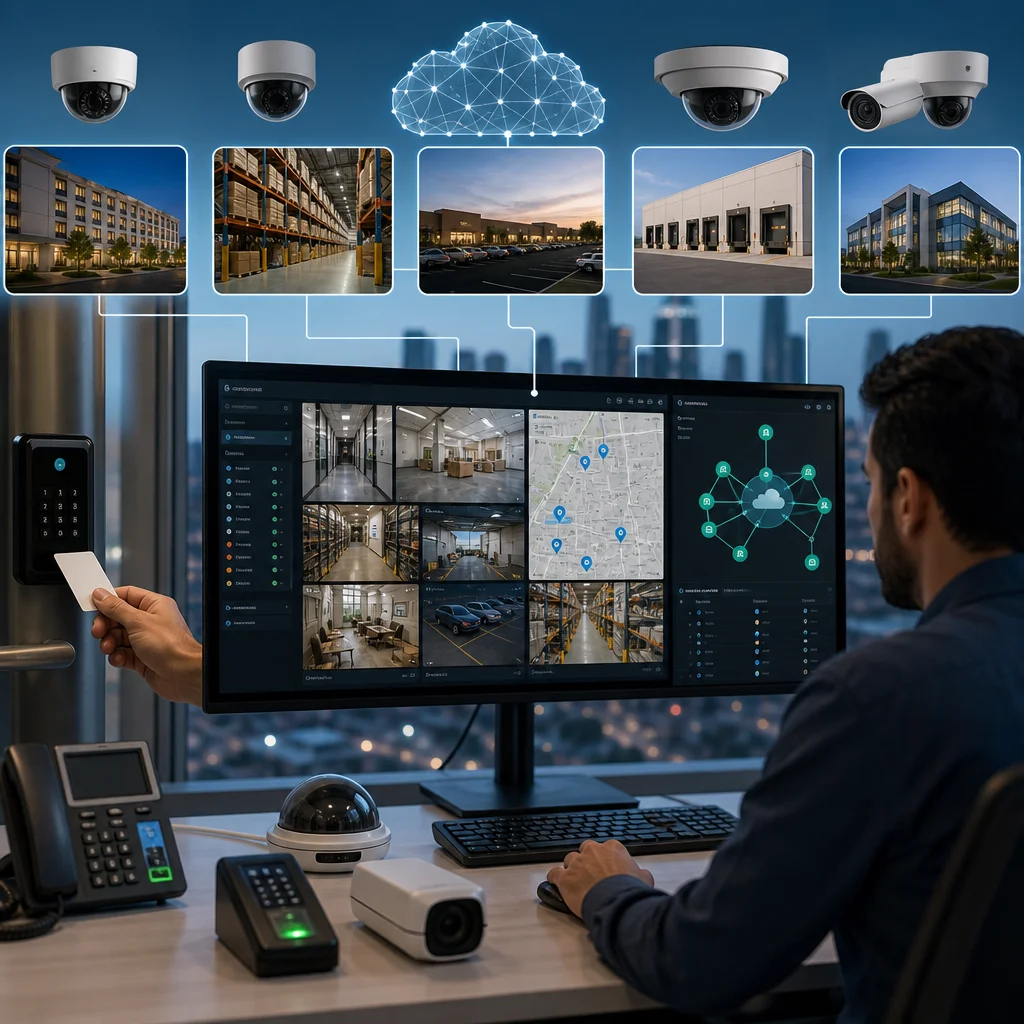
Cloud surveillance vendor consolidation solves this by centralizing everything under one partner. You reduce vendor touchpoints, streamline billing, and gain a unified command center for all security operations. This approach isn’t just about convenience; it’s about operational resilience and real-time situational awareness across your entire portfolio.
Key Criteria for Evaluating Cloud Surveillance Platforms
Not all cloud surveillance solutions deliver the same enterprise value. When evaluating platforms, focus on these non-negotiable factors.
System Architecture and Reliability: The platform must support distributed deployments across multiple facilities without single points of failure. Look for redundant cloud infrastructure, local recording capabilities during connectivity interruptions, and failover mechanisms. Enterprise deployments demand 99.9% uptime guarantees backed by SLAs.
User Interface and Accessibility: Your security team, facility managers, and executives need intuitive access to different feature sets. The platform should offer role-based dashboards, mobile access for on-the-go visibility, and customizable alerts. A system that requires extensive training creates adoption friction and reduces ROI.
Scalability and Flexibility: Your platform must grow with you. Whether you’re adding five new hotel properties or expanding a warehouse facility, the system should accommodate additional cameras, users, and storage without architectural redesign.
Integration Capabilities: The ideal solution integrates with your existing access control, alarm systems, and IT infrastructure rather than requiring complete replacement. API-first architecture allows custom integrations with your operational systems.
Vendor Stability and Support: Choose a partner with deep enterprise integration experience, responsive technical support, and a clear product roadmap. Your security infrastructure is too critical to depend on unstable vendors.
We built our platform around these criteria specifically because we understood what enterprise operations actually require.
Seamless Integration with Existing Infrastructure
One reason organizations delay consolidation is fear of disrupting working systems. A poorly executed integration can create weeks of downtime and operational chaos.
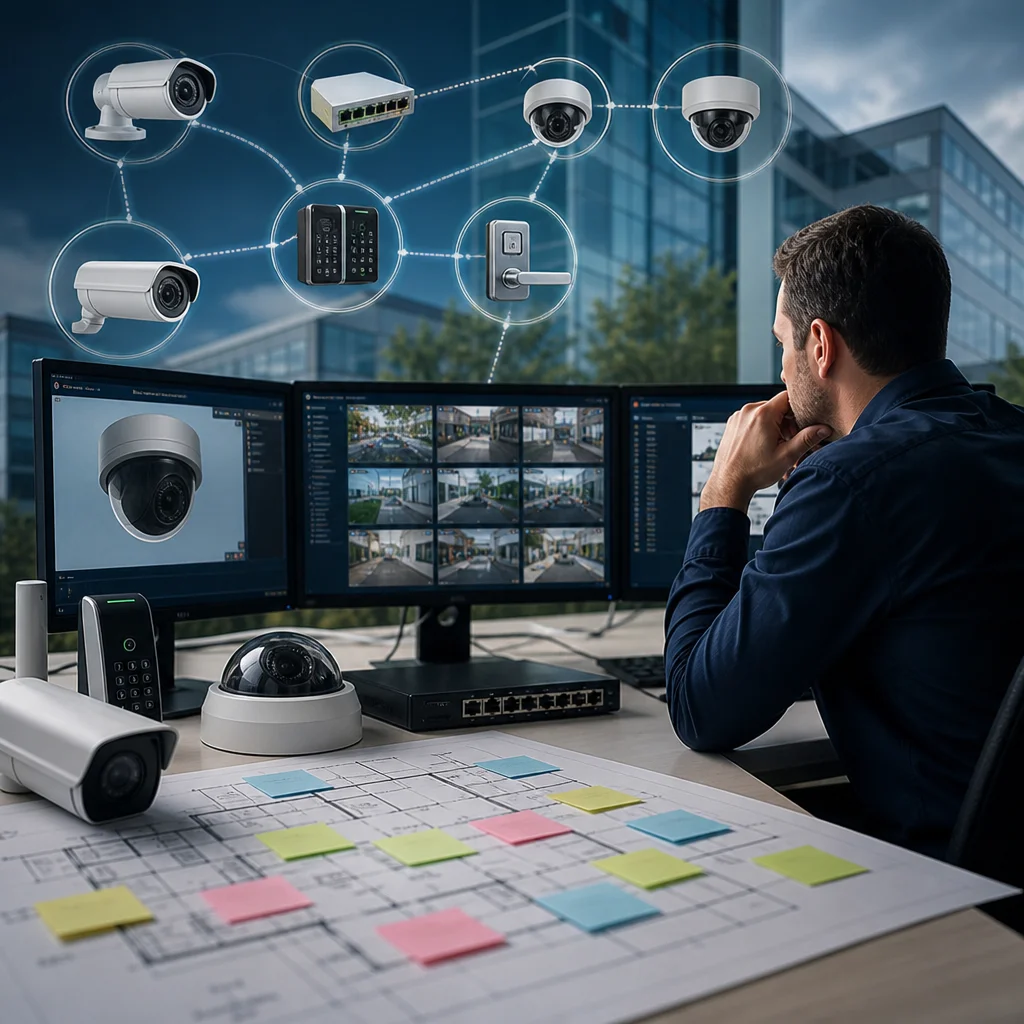
Our approach treats your existing infrastructure as a foundation rather than an obstacle. Whether you’re running legacy analog systems, modern IP networks, or a hybrid environment, we design integration pathways that minimize disruption. We work with your current cabling infrastructure, leverage existing network investment, and gradually migrate legacy components onto the modern platform.
Structured cabling matters here. We assess your current network topology and recommend upgrades only where they genuinely improve performance and future-proofing. Many organizations discover their existing cabling can support modern cloud surveillance with targeted enhancements, avoiding unnecessary capital expense.
For example, a regional hotel chain we worked with had different security systems across 12 properties. Rather than ripping and replacing everything, we unified their surveillance through a phased approach, keeping each property operational while gradually consolidating onto our platform. Within six months, they had single-pane-of-glass visibility across all locations.

The actionable step: conduct a current-state infrastructure audit before vendor consolidation. Document your existing systems, network capacity, and integration requirements. This prevents surprise costs and ensures realistic timelines.
Access Control and Camera System Unification
Surveillance and access control historically operated separately. A camera catches someone entering through an unauthorized door, but correlating that video with access logs requires manual effort across two different systems.
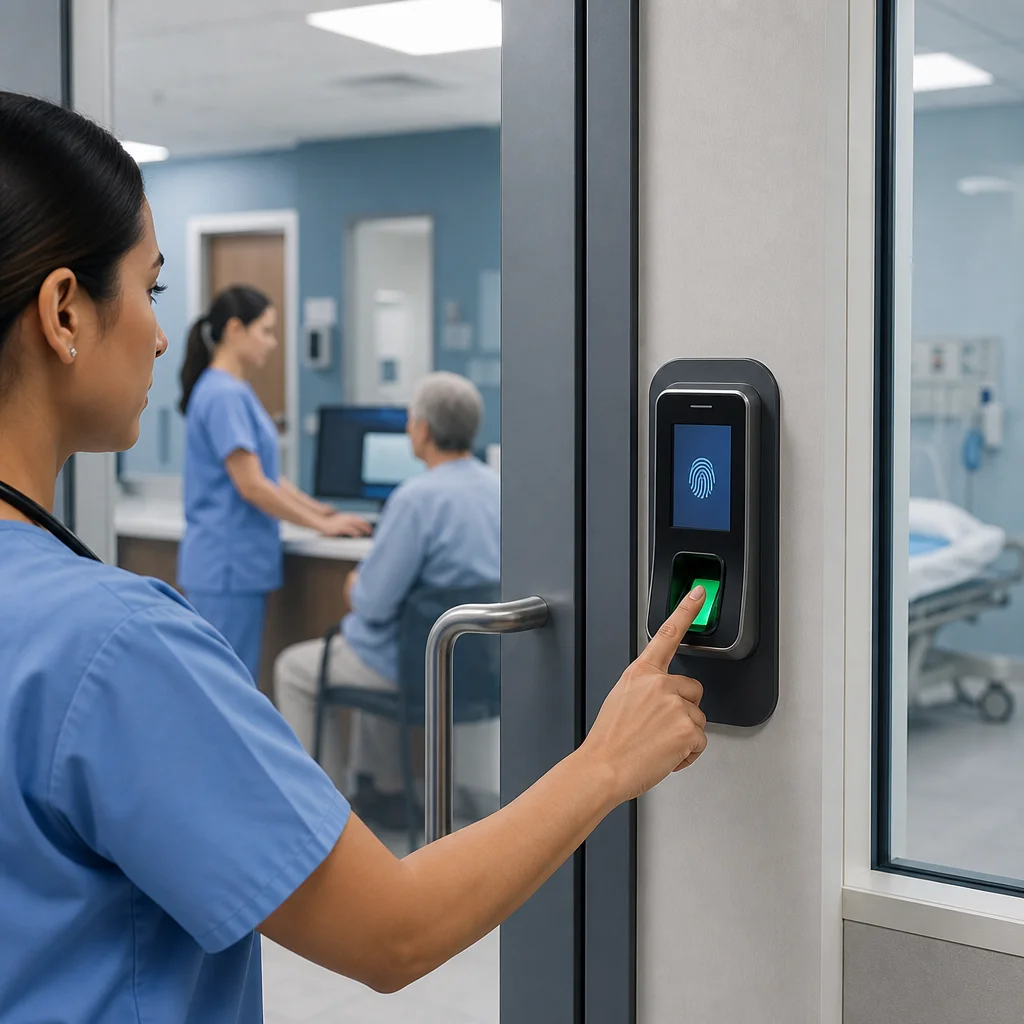
Unified platforms eliminate this friction. When your access control system and camera system share the same platform, event correlation happens automatically. An access denial at a door triggers nearby camera focus. A person swiped into a restricted area creates an audit trail that includes timestamped video from multiple angles.
This integration is particularly valuable for manufacturing facilities and distribution centers where security zones have strict protocols. When someone tailgates through a secure door, the system immediately captures video and access event data in one record. Your security team gets comprehensive incident documentation without piecing together information across platforms.
We design access control and camera unification so your facility managers control everything from one interface. Badge provisioning, camera assignment, alert rules, and audit trails all function together seamlessly.
Managed Monitoring and Real-Time Alerts
Cloud surveillance platforms deliver value only when you act on insights in real time. A centralized monitoring service that combines your camera feeds, access logs, and alarm data creates intelligent alerting that reduces false positives and ensures genuine threats get immediate attention.
Real-time alerts should be context-aware. When motion is detected in a restricted warehouse zone after hours, the system shouldn’t just send an alert; it should include video snapshots, access history for that zone, and relevant metadata. Your security personnel makes faster, better-informed decisions with this context.
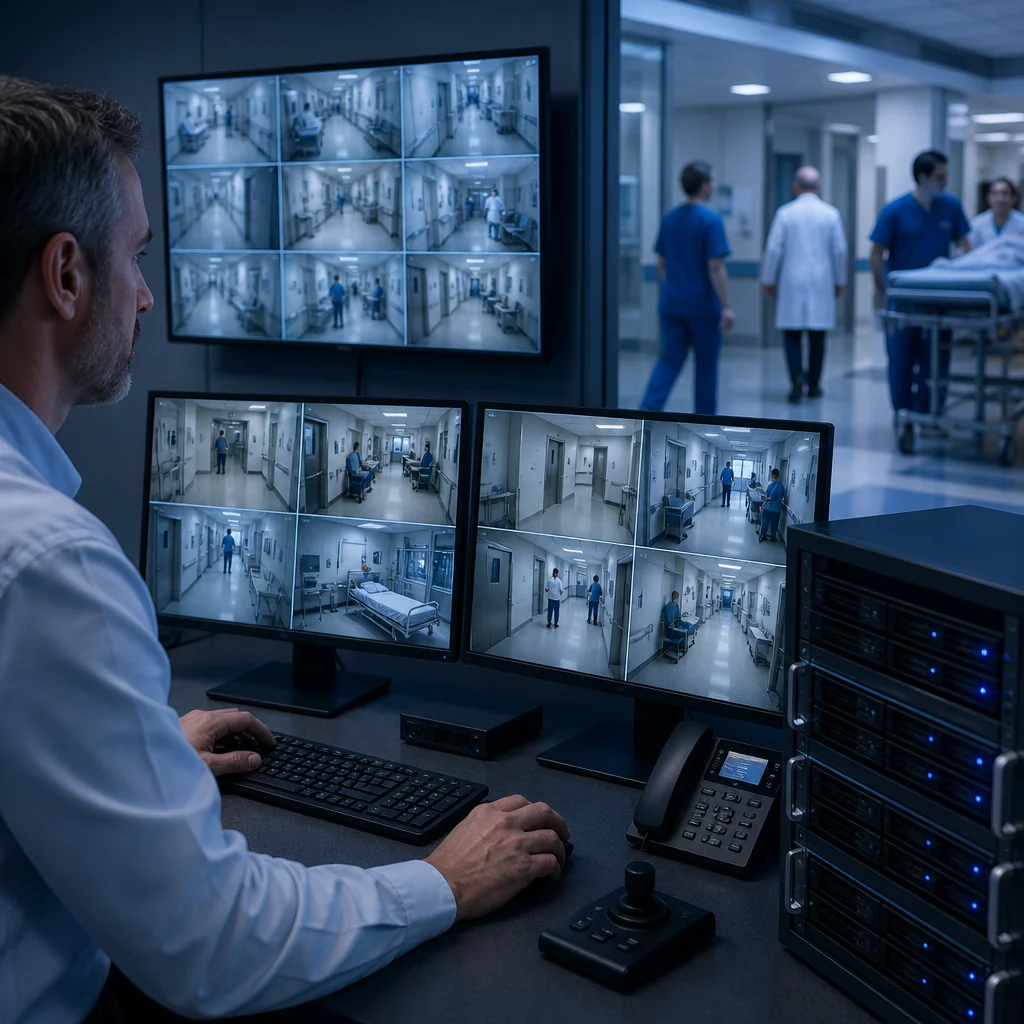
For hotel properties, managed monitoring ensures 24/7 professional oversight across all locations. Common area cameras, entry points, parking facilities, and service areas receive consistent monitoring protocols rather than relying on inconsistent staffing across properties.
We provide managed monitoring services that integrate directly with your cloud surveillance platform. Our team responds to alerts, escalates incidents appropriately, and maintains detailed incident logs that feed into your security program. This removes the burden of 24/7 in-house monitoring while ensuring professional response standards.
Scalability for Growing Facilities
Your security needs evolve. A warehouse that expands operations needs camera coverage in new zones. A hotel chain opening new properties needs to provision security systems quickly without vendor selection delays.
Cloud-native surveillance platforms scale elastically. Adding 50 cameras to your system takes days, not months. New users gain access instantly. Storage capacity expands to accommodate additional facilities without capacity planning exercises.
This scalability extends to feature richness. As your organization matures its security program, you might add advanced analytics like crowd counting, anomaly detection, or heat mapping. These capabilities deploy without system overhauls on platforms designed for extensibility.
Consider a scenario: you manage a distribution center and acquire an adjacent facility. With a consolidated platform, your IT team provisions the new location’s cameras and access control in parallel with physical installation. Within days of the facility opening, complete security coverage is operational.
Cost Efficiency and ROI Analysis
Consolidation delivers measurable financial benefits beyond the obvious vendor reduction.
Vendor Cost Reduction: Consolidating 3-4 security vendors into one eliminates redundant service fees, contract management overhead, and invoice reconciliation complexity. Many organizations see 15-25% annual savings just from vendor rationalization.
Operational Efficiency Gains: A unified platform reduces the time your IT and security teams spend managing separate systems. One dashboard instead of four saves hours monthly. One support contact instead of multiple reduces escalation time and complexity.
Capital Expenditure Optimization: Rather than replacing all systems at once, consolidation allows phased migration. You spread capital investment over time while maintaining operational continuity. Existing infrastructure that still serves useful purpose remains in service longer.
Reduced Security Incidents and Liability: Comprehensive visibility reduces blind spots that lead to security breaches. In regulated industries like hospitality and healthcare, consolidated audit trails simplify compliance verification and reduce legal exposure.
Calculate your specific ROI by documenting current vendor costs, IT team time allocation, and any security incidents attributable to system fragmentation. Most enterprise organizations recover their consolidation investment within 18-24 months.
Why Terapixels Systems Delivers the Definitive Solution
We didn’t build a generic surveillance platform; we engineered a consolidation solution specifically for enterprise organizations managing distributed facilities across Southern California. Our platform unifies cloud surveillance, access control, and managed monitoring under a single command center with no architectural compromises.
Our approach differs fundamentally from point solutions or consumer-grade platforms trying to scale upward. We understand hotel operations, warehouse security requirements, manufacturing facility access control, and property management complexity because we work exclusively with these verticals. We’ve integrated with Marriott properties, Hilton locations, Hyatt facilities, and major distribution networks.
We provide integrated structured cabling and network infrastructure alongside software, meaning your cloud platform operates on purpose-built, optimized physical systems. We don’t hand off infrastructure to other vendors; we own the entire stack from cabling through cloud services.
Our managed monitoring team operates 24/7 specifically for enterprise clients. This isn’t outsourced call center support; we employ security professionals who understand your business and respond with appropriate urgency and expertise.
Perhaps most importantly, consolidation with Terapixels means one contract, one invoice, one trusted partner accountable for your entire security ecosystem. This accountability drives service quality and makes us naturally invested in your success.
Implementation and Transition Strategy
Consolidation success depends on careful planning and execution. We follow a structured methodology that minimizes operational disruption while ensuring comprehensive deployment.
Phase 1: Assessment and Planning (2-4 weeks) We audit your current infrastructure, document existing systems, and identify integration requirements. This phase produces a detailed migration plan with timelines, resource requirements, and risk mitigation strategies.
Phase 2: Infrastructure Preparation (2-6 weeks) We upgrade network infrastructure and structured cabling where necessary. This ensures your cloud platform operates on robust, future-proof physical systems. We prioritize facilities with the most critical security needs or simplest implementations to build momentum.
Phase 3: Pilot Deployment (4-8 weeks) We deploy the consolidated platform to one location, testing integration points and operational workflows. Your team validates that the new system meets requirements before broader rollout.
Phase 4: Staged Rollout (8-16 weeks) We migrate remaining locations in logical sequences, typically by geography or operational similarity. This staged approach maintains operational continuity while building organizational muscle memory around new processes.
Phase 5: Vendor Transition (ongoing) As new locations come online, we coordinate sunset of legacy vendor contracts. We maintain parallel systems briefly where necessary to ensure no coverage gaps.
Throughout implementation, we maintain detailed documentation and provide staff training customized to each role: security personnel, facility managers, IT administrators, and executives all receive role-specific education.
Security and Compliance Standards
Enterprise surveillance platforms handle sensitive data and must maintain rigorous security postures. We design our platform to meet regulatory requirements across hospitality, logistics, and manufacturing sectors.
Encryption and Data Protection: All data in transit and at rest uses industry-standard encryption. We support FIPS 140-2 compliance for organizations requiring federal security standards.
Access Control and Audit Logging: Role-based access controls ensure users access only footage and data relevant to their responsibilities. Comprehensive audit logs track all system access and changes, creating accountability trails required by regulators.
Regulatory Compliance: We maintain compliance with relevant standards including PCI-DSS for payment processing areas, HIPAA provisions where applicable, and California data privacy requirements. Our platform supports evidence preservation and chain-of-custody requirements for legal proceedings.
Vendor Security Assessments: We undergo annual third-party security audits and provide SOC 2 Type II attestations. Organizations with strict vendor requirements receive detailed security documentation supporting their procurement processes.
Customer Success and Support
After deployment, success depends on ongoing partnership and responsive support. We provide several layers of support specifically designed for enterprise operations.
Dedicated Account Management: Each customer receives a dedicated account manager who understands your facilities, operations, and security priorities. They serve as your primary contact and advocate within our organization.
24/7 Technical Support: Our support team monitors your systems and responds immediately to issues. For critical incidents, senior engineers engage directly rather than working through ticket queues.
Continuous Optimization: We review your system usage quarterly, identifying opportunities for improved efficiency, additional features that match your maturing security program, and optimization of alert rules and monitoring protocols.
Professional Services: Whether you need custom integrations, advanced analytics deployment, or specialized training, our professional services team delivers expertise without requiring external contractors unfamiliar with your environment.
Getting Started with Your Consolidation
If you’re managing multiple security vendors across facilities in Southern California, consolidation represents a pragmatic strategic move. The operational complexity decreases immediately, the financial benefits compound over time, and your security posture strengthens through unified visibility.
Start by conducting an honest assessment of your current vendor landscape. Document contract costs, list system compatibility issues, and quantify time spent managing multiple platforms. This baseline establishes your consolidation case.
Then reach out to us. We’ll conduct a comprehensive infrastructure audit and discuss how enterprise surveillance consolidation specifically applies to your operations. We’ll walk you through actual implementations at comparable organizations and address your specific integration concerns.
The organizations that move forward with consolidation don’t discover new security capabilities months later; they operate with visibility and control from day one. Let’s schedule your initial assessment and start the conversation about unifying your security infrastructure under one platform designed specifically for enterprise operations.
Contact Terapixels Systems today to discuss your cloud-based surveillance system for business needs. We’re ready to consolidate your vendors and deliver the integrated security solution your organization deserves.
Frequently Asked Questions (FAQ)
How does consolidating our security vendors into one cloud surveillance platform reduce operational complexity?
We understand that managing multiple vendors creates redundant processes, inconsistent monitoring protocols, and fragmented reporting systems. By unifying your surveillance infrastructure with us, you’ll operate through a single management interface, streamline your support channels, and eliminate the coordination overhead that typically consumes your IT resources. Our integrated approach also ensures your access control and camera systems communicate seamlessly, giving you complete facility visibility from one dashboard.
What integration challenges should we prepare for when transitioning to a unified surveillance solution?
We’ve guided numerous Southern California organizations through this transition, and the primary considerations involve data migration from legacy systems, network bandwidth assessment for your existing infrastructure, and coordination timing to minimize operational disruption. Our implementation team works directly with your current setup to identify compatibility requirements upfront, stage the deployment in phases, and maintain your security posture throughout the transition period. We handle the technical complexity so your team can focus on business continuity.
How does managed surveillance monitoring with real-time alerts improve our facility security posture?
We provide 24/7 monitoring capabilities that detect anomalies faster than traditional on-site response protocols, enabling immediate action on genuine threats rather than relying on delayed incident reviews. Our real-time alert system integrates with your access control data, so we can correlate suspicious camera activity with unauthorized entry attempts and escalate accordingly. This proactive monitoring combined with our compliance expertise ensures your organization maintains enterprise-level security standards while reducing the burden on your internal staff.