Aperio wireless locking
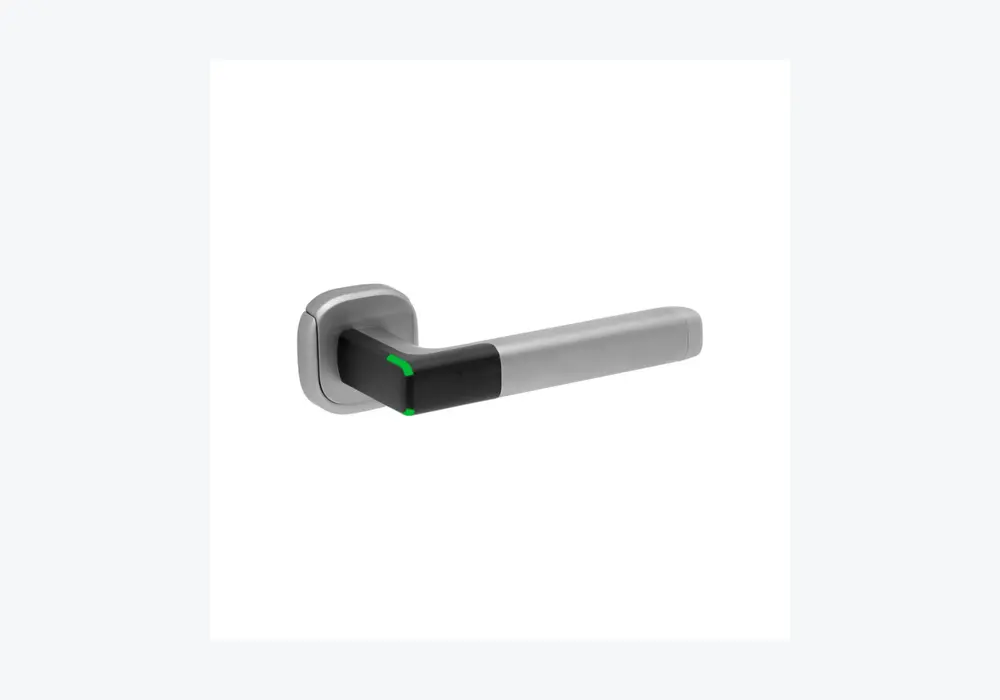
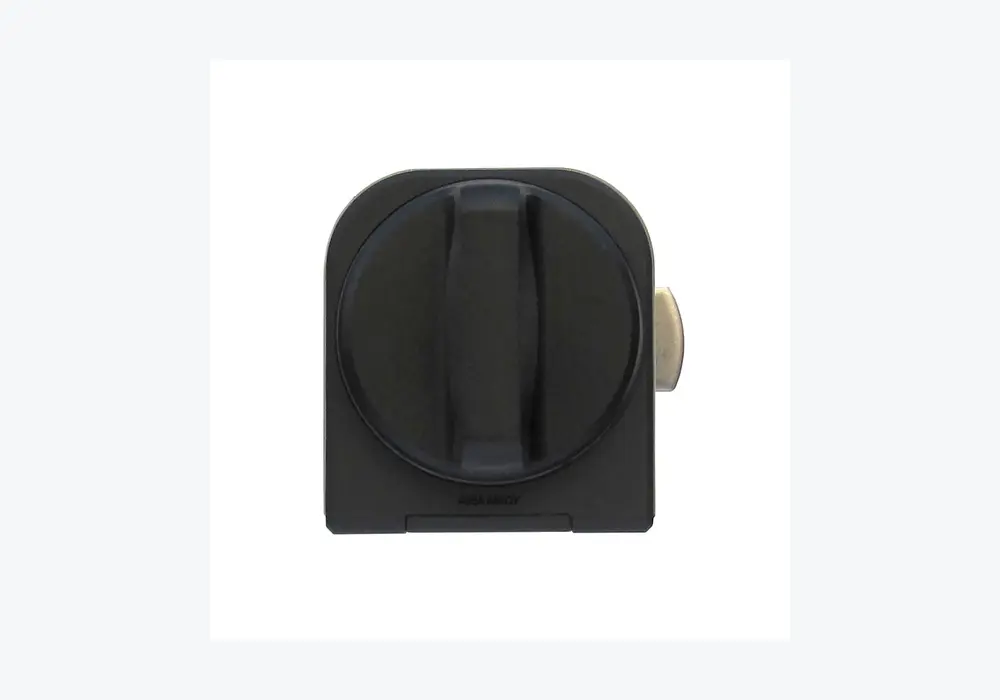
Battery-powered handles, cylinders, escutcheons, cabinet locks, padlocks, and related devices extend compatible access-control systems without conventional wiring at every opening.
 Request an estimate×

ASSA ABLOY brings together commercial lock, exit-device, electric-strike, electromagnetic-lock, credential, wireless-lock, and opening-solution brands. Terapixels uses that breadth to coordinate the complete controlled door from access decision to latch, egress, monitoring, and physical performance.
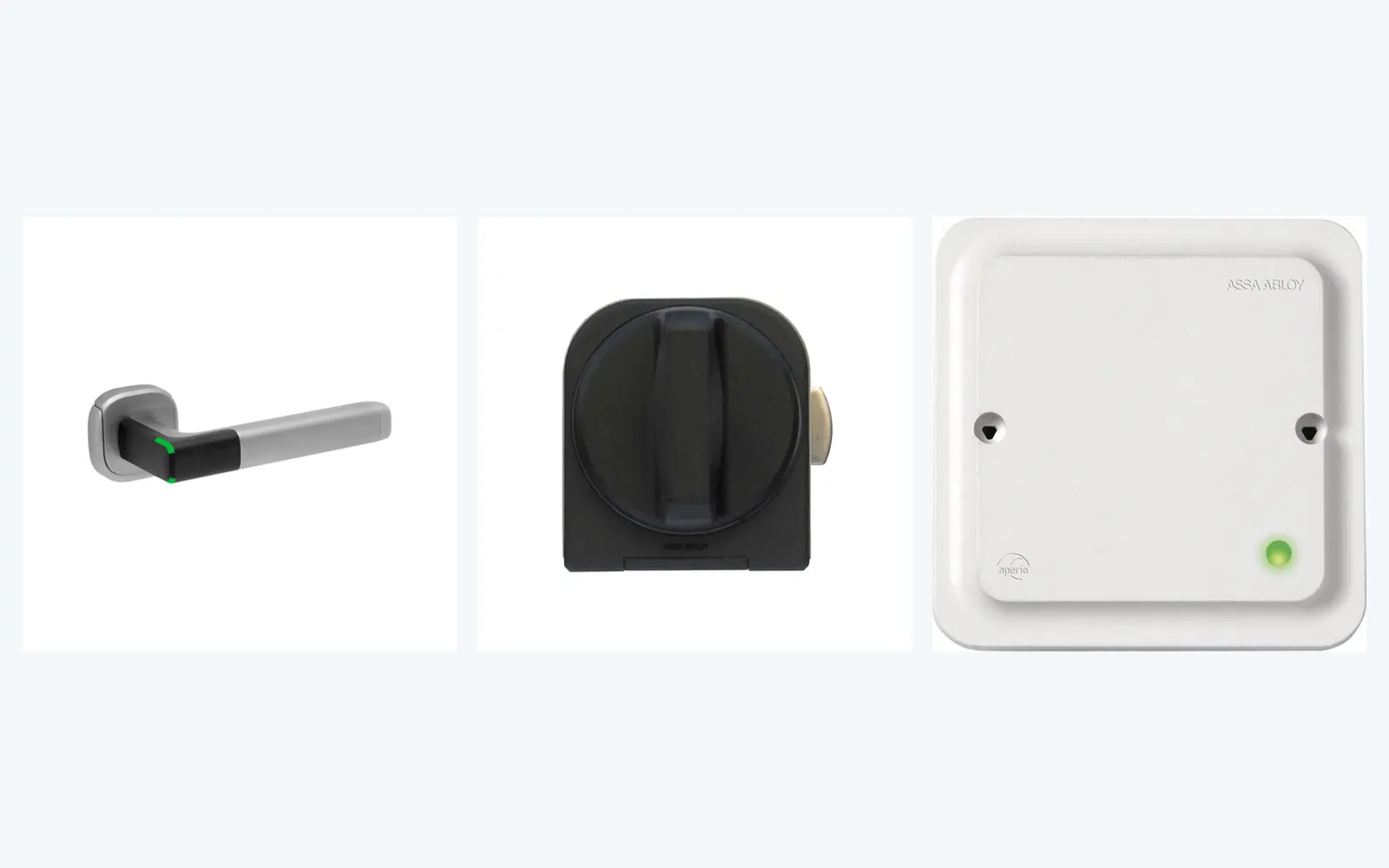
ASSA ABLOY provides the mechanical, electrified, and wireless hardware that turns an access-control decision into a secure and code-compliant door opening. Its ecosystem includes Aperio wireless locks and hubs, HES electric strikes, Securitron electromagnetic locks and power products, architectural locks, exit devices, closers, hinges, power transfer, and monitoring components. Terapixels applies those products through a door-first process: survey the opening, confirm egress and fire requirements, select the lock and interface, coordinate the reader and controller, test emergency behavior, and document the finished system.
Ask Terapixels about ASSA ABLOY ↗A strong fit when a project needs access control and architectural door hardware to operate as one compliant, serviceable opening—especially when wireless Aperio devices can extend an existing platform to more doors.
This project-focused overview covers representative product families and specialties. Final models, credentials, licenses, accessories, interfaces, firmware, and availability are verified during design.
Battery-powered handles, cylinders, escutcheons, cabinet locks, padlocks, and related devices extend compatible access-control systems without conventional wiring at every opening.
Communication hubs link supported Aperio locks with the host access-control system through compatible IP, RS-485, or other approved interfaces.
Electric strikes, integrated locks, electromagnetic locks, power supplies, request-to-exit devices, and accessories support conventional controlled openings.
Locks, exit devices, closers, hinges, power transfer, door monitoring, and related architectural hardware complete the mechanical and life-safety side of access control.
Each visual is specific to this manufacturer and the access-control products discussed on this page.
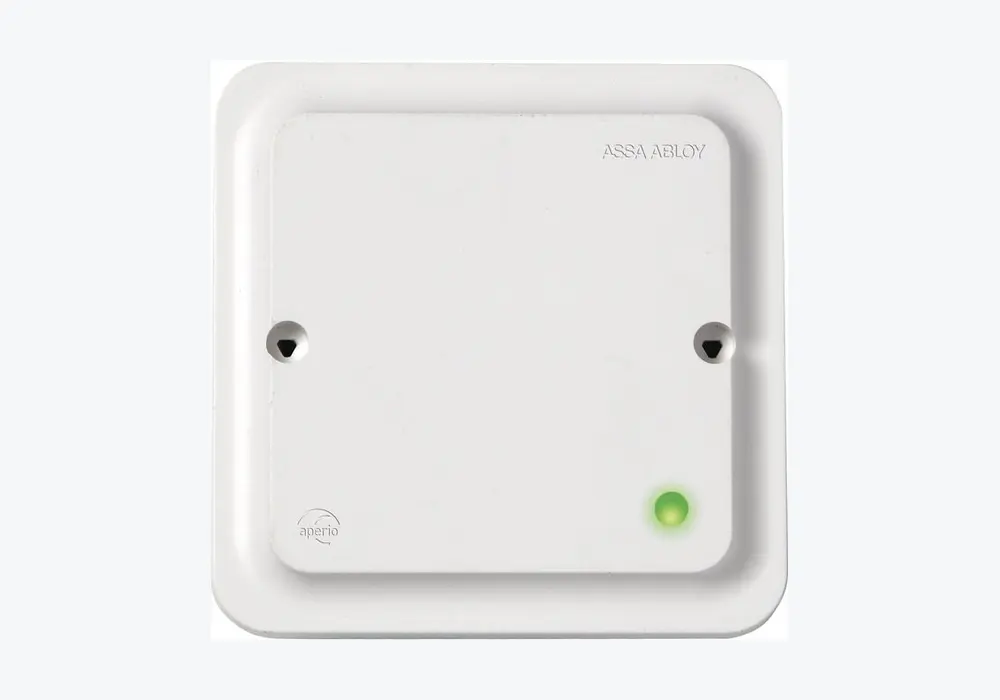
The reader and software are coordinated with latch type, frame, fire rating, egress, closer, power transfer, monitoring, and physical door condition.
Aperio can bring managed access to interior doors, cabinets, lockers, and other openings where new power and data cabling would be disruptive.
Multiple ASSA ABLOY brands provide choices across locks, exit devices, strikes, maglocks, hinges, closers, credentials, and wireless access.
Verify fire rating, egress, accessibility, door and frame construction, latch, closer, traffic, weather exposure, and required fail-safe or fail-secure behavior.
Compare conventional readers and electric locking with Aperio wireless hardware based on pathways, disruption, door density, latency, battery service, and integrations.
Confirm software, credential, hub, interface, firmware, licensing, device status, audit events, and emergency commands before product selection.
Terapixels can survey the doors, document existing equipment, verify the product path, and develop a complete scope for installation or migration.
Terapixels engineers ASSA ABLOY controlled openings throughout Orange, Los Angeles, San Diego, Riverside, and San Bernardino counties. Services can include door and hardware surveys, Aperio expansion, HES or Securitron integration, lock and exit-device coordination, power and monitoring design, access-platform integration, installation, life-safety testing coordination, documentation, and maintenance.
Schedule an onsite door survey ↗Users, permissions, credentials, frames, doors, latching, egress, fire rating, pathways, power, network, integrations, and existing assets.
Cabling, readers, panels, enclosures, locking hardware, door monitoring, software, integrations, labeling, testing, and controlled cutover.
Administrator training, credential workflows, documentation, preventive review, troubleshooting, licensing, and lifecycle planning.
Aperio is a wireless electronic-locking technology that extends compatible access-control systems to additional openings using battery-powered locks and communication hubs. Available device types and integrations vary by market and host platform.
The opening must lock, unlock, latch, close, permit safe egress, report status, and behave correctly during power, fire-alarm, and emergency conditions. Software cannot correct unsuitable or failing physical hardware.
Often, when the current software supports the selected Aperio integration and the credentials, hubs, devices, firmware, and door conditions are compatible. Terapixels validates the host platform and each opening before specifying the migration.
Aperio lock devices are typically battery powered and communicate wirelessly with a compatible hub. The hub and host system still require the appropriate network, bus, power, software integration, credentials, and commissioning. Exact architecture varies by device and platform.
The choice depends on the existing latch and frame, egress, fire rating, traffic, security level, aesthetics, monitoring, available pathways, power behavior, code requirements, and the access platform. A door survey is required before selecting hardware.
Product names, specifications, software versions, credentials, licensing, integrations, certifications, and availability change. The page is based on current public manufacturer material; Terapixels validates final project fit and compatibility before proposal.
Authorized-dealer and trademark notice. Terapixels represents its current dealer and integration relationships for the access-control products shown here. Program status, product-line authorization, availability, and project eligibility are confirmed when a proposal is prepared. Product descriptions are original Terapixels summaries based on public manufacturer information; names, logos, imagery, and trademarks belong to their respective owners.