HID Signo readers
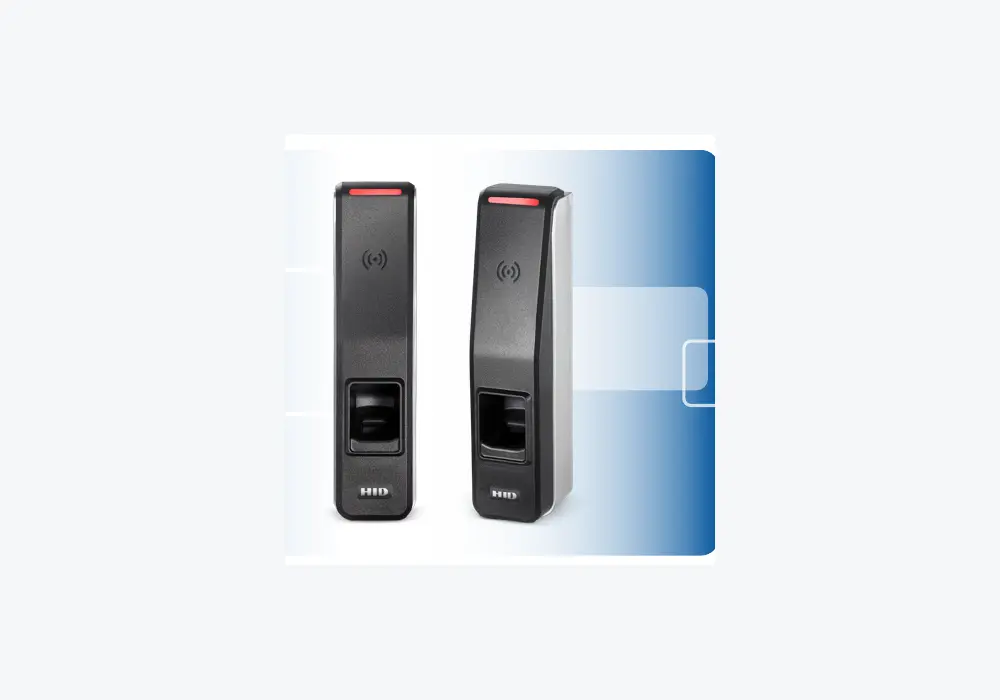
Mullion, wall-switch, keypad, white, express, ruggedized, and biometric Signo models support a range of physical and mobile credential technologies.
 Request an estimate×
HID provides the identity layer used at millions of controlled openings: readers, cards, fobs, mobile credentials, wallet credentials, biometrics, issuance, and reader-management tools. Terapixels matches those components to the access platform, cybersecurity requirements, and migration plan.
HID supplies the reader and credential technologies that connect a person’s identity to a physical access-control system. The portfolio includes HID Signo readers, Seos cards and fobs, mobile credentials, digital-wallet options, biometric readers, issuance tools, and reader-management software. Terapixels uses HID when a project needs a secure credential standard, mobile-ready readers, migration from legacy proximity cards, stronger reader-to-controller communication, or higher-assurance authentication. The full design must align the credential, encryption keys, reader configuration, controller protocol, host software, enrollment process, and user support model.
Ask Terapixels about HID ↗A practical choice when a project needs a widely supported reader and credential ecosystem, a path away from legacy proximity technology, mobile access, or stronger identity assurance at selected doors.
This project-focused overview covers representative product families and specialties. Final models, credentials, licenses, accessories, interfaces, firmware, and availability are verified during design.
Mullion, wall-switch, keypad, white, express, ruggedized, and biometric Signo models support a range of physical and mobile credential technologies.
Cards, fobs, multi-technology credentials, sustainable form factors, and embedded Seos options support secure identity and phased credential migration.
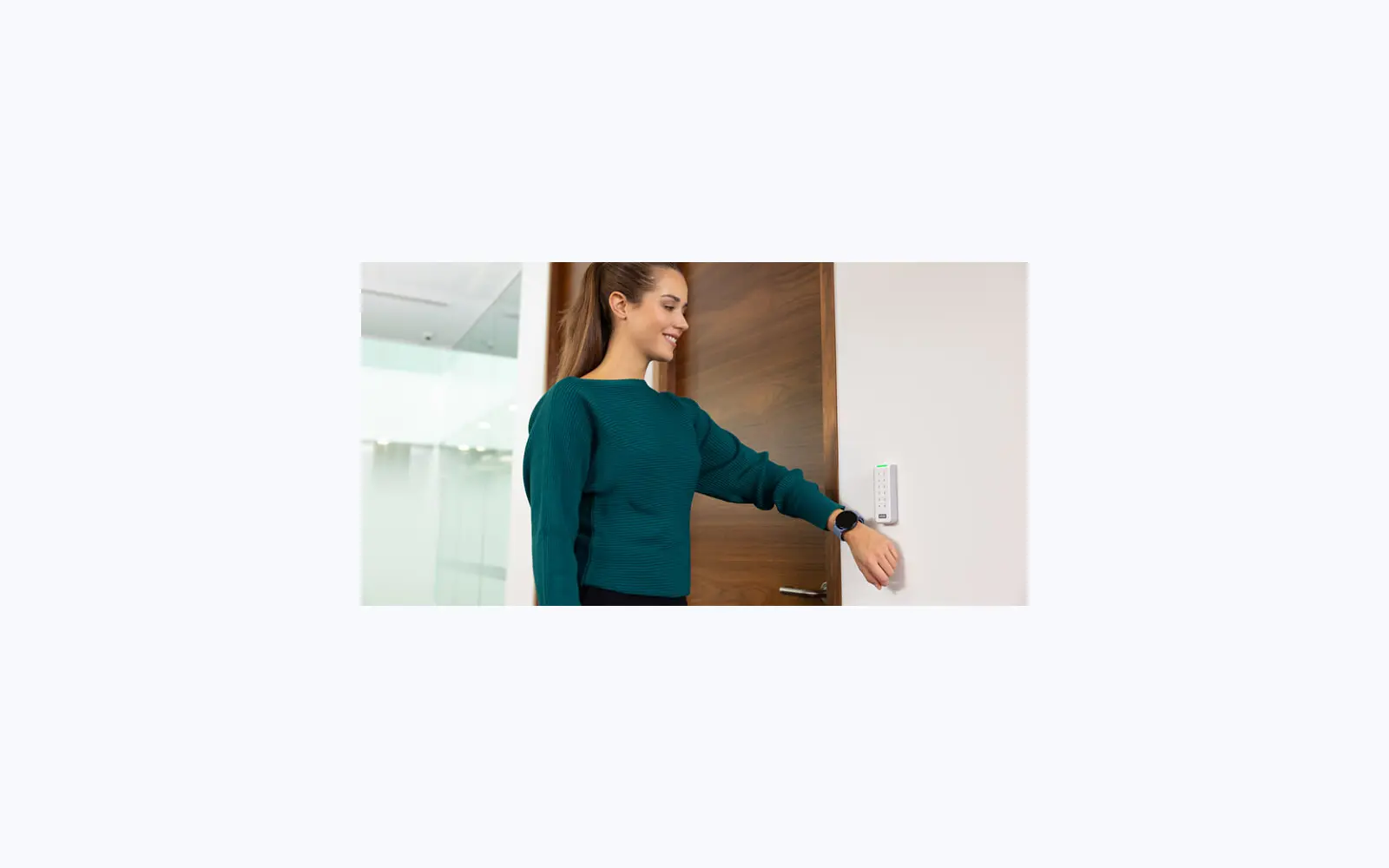
Supported smartphones and wearables can hold credentials for compatible readers, helping organizations issue and manage access without relying only on plastic cards.
Reader Manager supports field configuration and firmware workflows, while selected Signo biometric and PIV readers address higher-assurance applications.
Each visual is specific to this manufacturer and the access-control products discussed on this page.
Multi-technology readers and credentials can support a controlled move from legacy cards toward modern encrypted credentials without changing every user at once.
Supported deployments can use phones and wearables as credentials, subject to reader, device, platform, provisioning, and policy compatibility.
OSDP Secure Channel and compatible reader-management capabilities can improve communication security and reduce dependence on older one-way reader interfaces.
Confirm current card formats, facility codes, encryption keys, badge populations, issuance tools, exceptions, and the target secure credential technology.
Evaluate OSDP Secure Channel, controller compatibility, cable topology, power, supervised communications, tamper behavior, and firmware management.
Plan dual-technology periods, mobile enrollment, wallet provisioning, visitor badges, lost-device response, and the point when legacy technologies are disabled.
Terapixels can survey the doors, document existing equipment, verify the product path, and develop a complete scope for installation or migration.
Terapixels helps Southern California organizations standardize HID readers and credentials across offices, hotels, campuses, healthcare facilities, and multi-site portfolios. Projects in Orange, Los Angeles, San Diego, Riverside, and San Bernardino counties can include credential audits, reader replacement, OSDP migration, mobile-access planning, enrollment workflows, controller coordination, field configuration, and phased cutover.
Schedule an onsite door survey ↗Users, permissions, credentials, frames, doors, latching, egress, fire rating, pathways, power, network, integrations, and existing assets.
Cabling, readers, panels, enclosures, locking hardware, door monitoring, software, integrations, labeling, testing, and controlled cutover.
Administrator training, credential workflows, documentation, preventive review, troubleshooting, licensing, and lifecycle planning.
HID Signo is a family of access-control readers supporting multiple credential technologies and form factors. The correct model depends on mounting, environment, keypad or biometric needs, credential migration, mobile access, and controller communication.
Legacy 125 kHz credentials may present cloning and lifecycle concerns. A migration plan can introduce secure credentials and multi-technology readers in phases while accounting for every user group, site, badge printer, integration, and exception.
HID readers and credentials are supported by many commercial access platforms, but exact compatibility depends on credential format, encryption keys, reader configuration, controller interface, software, and licensing. Terapixels verifies the complete chain before deployment.
OSDP is a bidirectional communication protocol between compatible readers and controllers. When correctly implemented with Secure Channel, it can provide encrypted communications, device supervision, and remote configuration advantages compared with older one-way Wiegand connections.
Supported HID Mobile Access deployments can use smartphones and wearables, and selected programs support credentials in compatible digital wallets. Availability depends on the reader, mobile device, operating system, provisioning model, access platform, licenses, and organizational policy.
Product names, specifications, software versions, credentials, licensing, integrations, certifications, and availability change. The page is based on current public manufacturer material; Terapixels validates final project fit and compatibility before proposal.
Authorized-dealer and trademark notice. Terapixels represents its current dealer and integration relationships for the access-control products shown here. Program status, product-line authorization, availability, and project eligibility are confirmed when a proposal is prepared. Product descriptions are original Terapixels summaries based on public manufacturer information; names, logos, imagery, and trademarks belong to their respective owners.